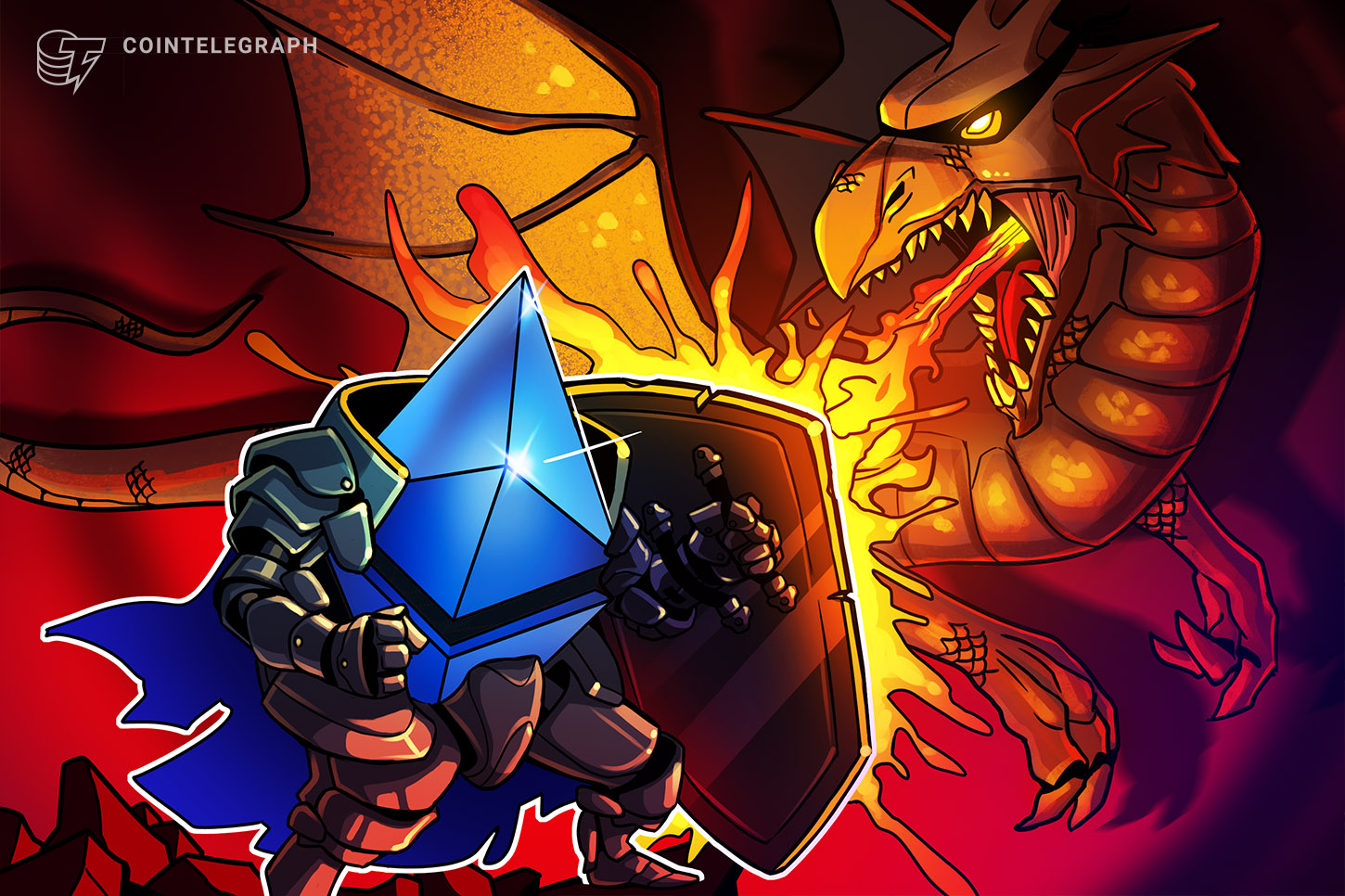
Are you worried that tomorrow’s computers could break the cryptography protecting your crypto assets? This article explains what quantum and artificial‑intelligence (AI) attacks mean for blockchains, how developers are hardening protocols, and what you can do to protect your earnings.
What post‑quantum and AI threats actually are
Blockchains rely on cryptographic algorithms to secure transactions, verify identities, and keep data immutable. Most public chains, including Ethereum, use elliptic‑curve cryptography (ECC) for digital signatures and hash functions for data integrity. These algorithms were chosen because, with today’s computers, solving the underlying mathematical problems is computationally infeasible.
A quantum computer works on quantum bits (qubits) that can exist in multiple states at once. In theory, a sufficiently large quantum computer could run Shor’s algorithm, which can factor large numbers and solve discrete‑logarithm problems exponentially faster than classical computers. That would allow an attacker to derive private keys from public keys, effectively forging signatures and stealing funds.
AI‑driven attacks are different but equally concerning. Modern AI models excel at pattern recognition and can be trained to discover subtle vulnerabilities in code, generate malicious smart‑contract bytecode, or even craft transaction sequences that exploit timing or gas‑price quirks. Because AI can automate the discovery of bugs at scale, the risk of new, untested exploits appearing faster than developers can patch them increases.
How blockchain protocols defend themselves
To stay ahead of these threats, blockchain projects are adopting several layers of defense:
- Post‑quantum cryptography (PQC): Researchers are evaluating algorithms that remain secure even against quantum attacks, such as lattice‑based schemes (e.g., Dilithium) or hash‑based signatures (e.g., SPHINCS+). Switching to PQC usually requires a hard fork because the signature format changes.
- Formal verification: This is a mathematical method that proves a piece of code behaves exactly as intended under all possible inputs. By modeling protocols in a formal language and using theorem provers, developers can catch logic errors before they are deployed.
- Multi‑layer signing: Some proposals add an extra signature layer that uses a different cryptographic family, so an attacker would need to break both to succeed.
- AI‑assisted security audits: Ironically, the same AI tools that can create attacks are also being used to scan codebases, simulate attack vectors, and suggest patches.
- Gradual rollout and testnets: New security upgrades are first released on experimental networks where the community can stress‑test them without risking real assets.
Real‑world illustration: Ethereum’s security team expansion
In a blog post dated November 24 2026, the Ethereum Foundation announced that it had doubled its protocol security team to keep pace with an upcoming overhaul aimed at defending the network against quantum computers and AI‑driven threats. Researcher Kev Wedderburn explained that while Ethereum had already been planning quantum‑resistance measures, the emergence of AI as a more immediate risk prompted the foundation to accelerate its work. The planned upgrade will change how validators sign messages, how users authorize transactions, and how rollup data is verified. Wedderburn warned that the upgrade is “harder than the Merge, and we have less time,” acknowledging that faster development can increase the chance of bugs. To mitigate this, the foundation is expanding formal verification and security resources, targeting a December 2028 completion date—one year earlier than the previous quantum‑resistance deadline.
What this means for you, the everyday crypto earner
If you earn passive income through staking, provide liquidity, or run a validator node, the security of the underlying protocol directly impacts the safety of your rewards. A successful quantum or AI attack could invalidate signatures, allowing an attacker to re‑sign past transactions or create fraudulent ones, potentially wiping out staked balances.
However, most post‑quantum upgrades are designed to be backward compatible for a transition period. This means you can continue earning while the network migrates, provided you keep your software up to date. The biggest risk comes from using outdated wallets or third‑party services that do not adopt the new cryptographic standards promptly.
How to evaluate a blockchain’s security readiness
- Check the roadmap: Look for publicly shared timelines for post‑quantum upgrades and formal verification milestones.
- Review audit reports: Reputable projects publish third‑party audit results, including any formal verification statements.
- Monitor developer activity: A growing security team, frequent security‑focused commits, and open discussions on GitHub are good signs.
- Test the software: Use the latest client releases on testnets before moving funds on mainnet.
- Diversify exposure: Avoid putting all earnings into a single chain that has not yet demonstrated a clear post‑quantum plan.
FAQ
Q: Will quantum computers break all cryptocurrencies?
A: Not immediately. Current quantum computers are far from the scale needed to run Shor’s algorithm on the key sizes used by most blockchains. However, research suggests that a sufficiently powerful quantum machine could threaten ECC‑based signatures within the next decade, so proactive upgrades are essential.
Q: Do I need to replace my hardware wallet?
A: Most hardware wallets will receive firmware updates that add post‑quantum support. Keep the device’s firmware current and follow the manufacturer’s guidance on migration.
Q: How does formal verification differ from a regular code audit?
A: A regular audit checks code for known issues and uses manual testing, while formal verification mathematically proves that the code satisfies a set of security properties for every possible input, reducing the chance of hidden bugs.
Q: Can I protect my earnings by moving to a “quantum‑safe” chain now?
A: Some newer chains have launched with post‑quantum algorithms from the start, but they may have less liquidity and a smaller ecosystem. Weigh the trade‑off between security and network effects before moving large balances.
#Ethereum #CryptoSecurity #PostQuantum
This article references reporting from cointelegraph.com.