Are you curious about earning money through prediction markets but worried about fairness and safety? This article explains what prediction markets are, how they generate rewards, and what red flags to watch for to avoid cheating.
The plain explanation
A prediction market is a platform where participants trade contracts that pay out based on the outcome of a future event. Each contract is essentially a bet: if the event occurs, the contract pays a fixed amount (often $1); if it does not, the contract expires worthless. Prices of these contracts fluctuate as traders buy and sell, reflecting the collective belief about the likelihood of the event. For example, a contract priced at $0.60 implies a 60% perceived probability of the event happening.
Key terms:
- Contract: The tradable unit that represents a specific outcome.
- Liquidity: The amount of money available for buying and selling contracts; higher liquidity means easier entry and exit.
- Spread: The difference between the highest price a seller is willing to accept and the lowest price a buyer is willing to pay.
- Cheating: Any manipulation that gives a participant an unfair advantage, such as insider information, fake volume, or exploiting platform bugs.
When you place a trade, you either pay the contract price (if you think the event will happen) or receive the contract price (if you think it won’t). If your prediction is correct, you receive the contract’s payout, usually $1 per contract. Your profit equals the payout minus the price you paid. Conversely, if you’re wrong, you lose the amount you spent.
A real example
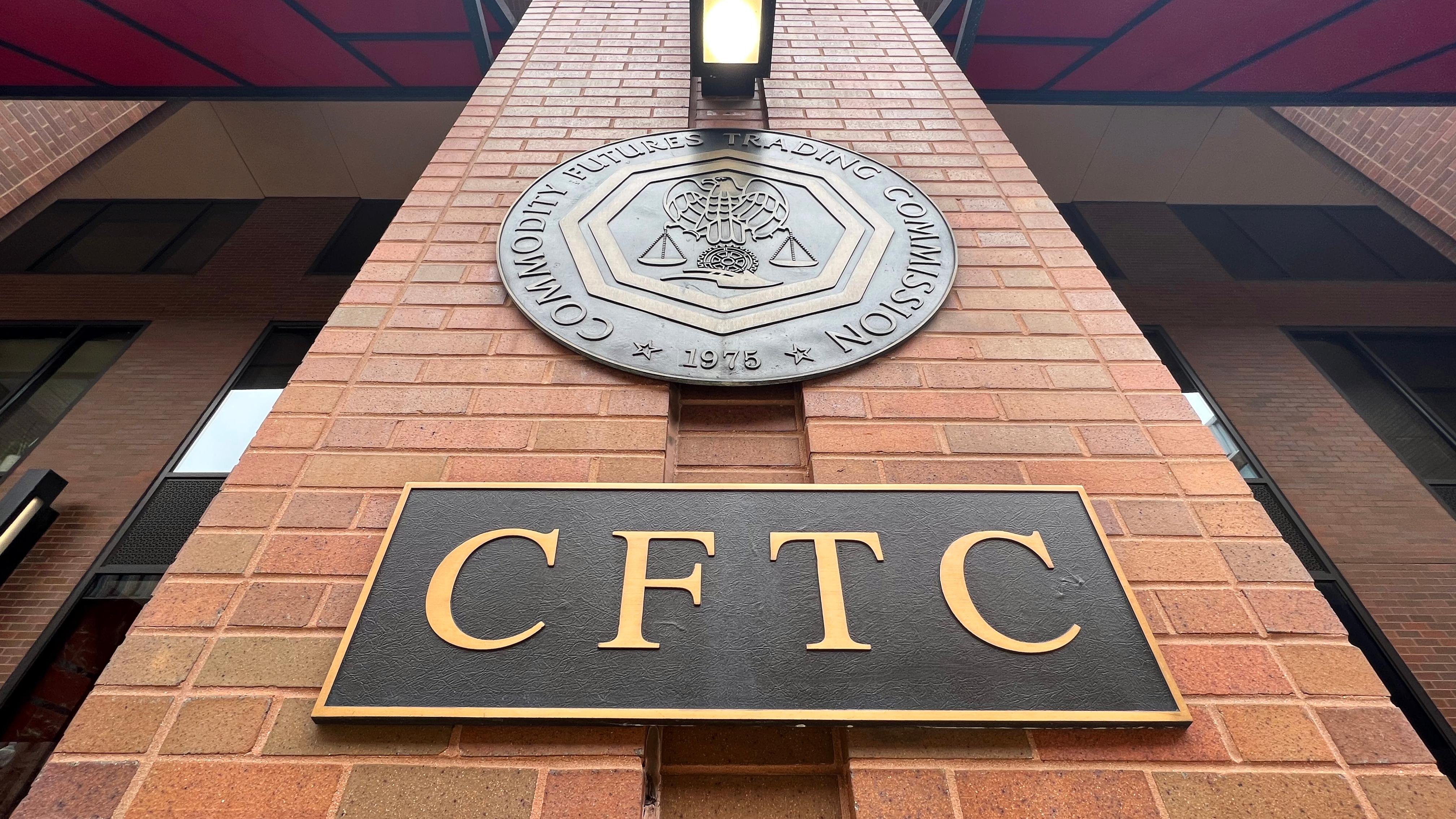
In March 2026, the U.S. Commodity Futures Trading Commission (CFTC) issued a warning about “mention markets” on prediction platforms. The regulator highlighted that some platforms allow users to create contracts that reference the platform’s own metrics—such as “the total volume of contracts on Platform X will exceed $10 million by the end of the month.” Because the platform can influence those metrics, participants could potentially manipulate outcomes, turning the market into a self‑fulfilling prophecy. This warning illustrates how certain design choices can open the door to cheating.
What it means for you
If you want to earn passive income through prediction markets, you need to choose platforms that prioritize transparency and robust security. Cheating not only erodes trust but can also lead to sudden losses if a platform is shut down or if regulators intervene. Understanding the mechanics helps you assess whether a market’s price truly reflects independent information or is being artificially nudged.
What to check / how to judge
- Regulatory status: Verify whether the platform is registered with a financial regulator or has publicly disclosed compliance measures.
- Liquidity depth: Look for markets with sufficient trading volume; thin markets are easier to manipulate.
- Contract design: Avoid contracts that depend on the platform’s internal metrics or that can be influenced by the platform itself.
- Audit trails: Reputable platforms provide transparent logs of trades and price changes, often on-chain, so you can verify that no hidden manipulation occurs.
- Community reputation: Check forums, reviews, and independent analyses for reports of past cheating incidents or unresolved disputes.
FAQ
Can I lose more than I invest?
In most prediction markets, the maximum loss equals the amount you spend on contracts. You cannot owe additional money beyond your initial investment, but you can lose the entire amount if your predictions are wrong.
How does liquidity affect my chances of success?
Higher liquidity means prices are less likely to be distorted by a single trader, making the market’s odds more reliable. Low‑liquidity markets can be volatile and easier for a malicious actor to sway, increasing risk.
Are prediction markets legal in the United States?
Regulation varies by state and by the type of event being predicted. Some markets are classified as commodities and fall under CFTC oversight, while others may be deemed gambling and subject to state laws. Always verify the legal status before participating.
What should I do if I suspect a market is being manipulated?
Stop trading on that market, withdraw any funds if possible, and report the activity to the platform’s support team and, if applicable, to the relevant regulator such as the CFTC.
This article references reporting from coindesk.com.