Ever wonder how some cryptocurrencies can hide where money goes while still being secure? This article explains the technology behind privacy coins, how they differ from regular tokens, and what you should consider before trying to earn with them.
What a Privacy Coin Is
A privacy coin is a digital asset that obscures the details of a transaction. While most blockchains record the sender’s address, the receiver’s address, and the amount transferred in a public ledger, privacy coins use cryptographic techniques to keep that information hidden. The goal is to give users the same confidence that a transaction happened without revealing who was involved or how much was moved.
The most common method for achieving this is called a zero‑knowledge proof. In simple terms, a zero‑knowledge proof lets one party prove to another that a statement is true without sharing any underlying data. Applied to a blockchain, it means a network can verify that a transaction is valid (the sender has enough coins, the transaction follows the rules) without exposing the sender’s address, the receiver’s address, or the transaction amount.
Other privacy mechanisms include ring signatures, which mix a user’s signature with a group of others to hide the true source, and confidential transactions, which encrypt the amount while still allowing the network to confirm that inputs and outputs balance.
How Zcash Implements Privacy
Zcash (ticker: ZEC) is one of the most widely known privacy coins. It offers two types of addresses:
- Transparent addresses (t‑addresses) work like Bitcoin addresses—transactions are fully visible on the blockchain.
- Shielded addresses (z‑addresses) use zero‑knowledge proofs, specifically a protocol called zk‑SNARKs, to keep transaction details private.
When you send ZEC from a shielded address, the network checks a zk‑SNARK proof that confirms you own enough coins and that the transaction follows protocol rules, all without revealing the exact amounts or the parties involved. This proof is tiny—just a few hundred bytes—so it does not slow down the network significantly.
To fund ongoing development, Zcash includes a built‑in inflation‑funded developer treasury. A small percentage of each block reward is set aside for the Zcash Open Development Lab (ZODL), which supports research, upgrades, and community projects. This funding model helps keep the ecosystem sustainable without relying on external donations.
Real‑World Example: A Recent Market Move
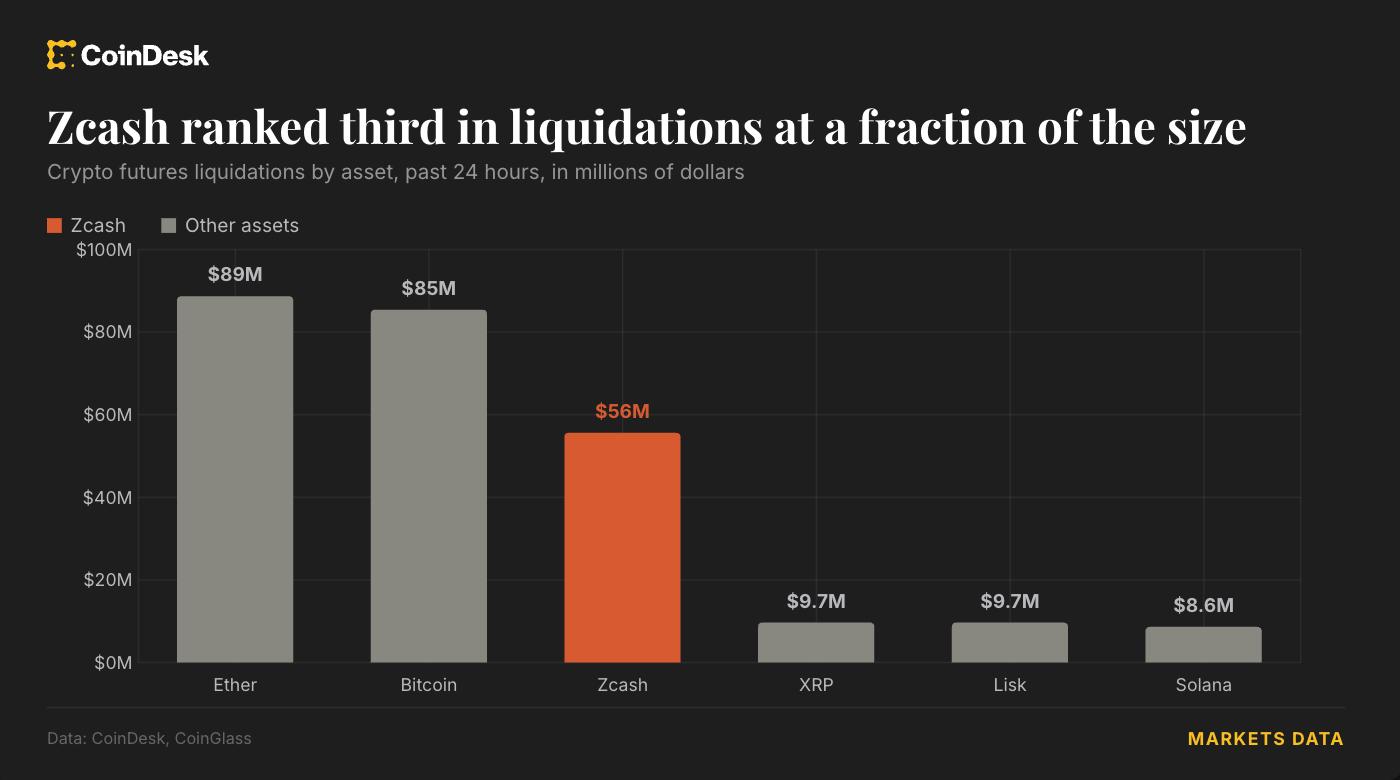
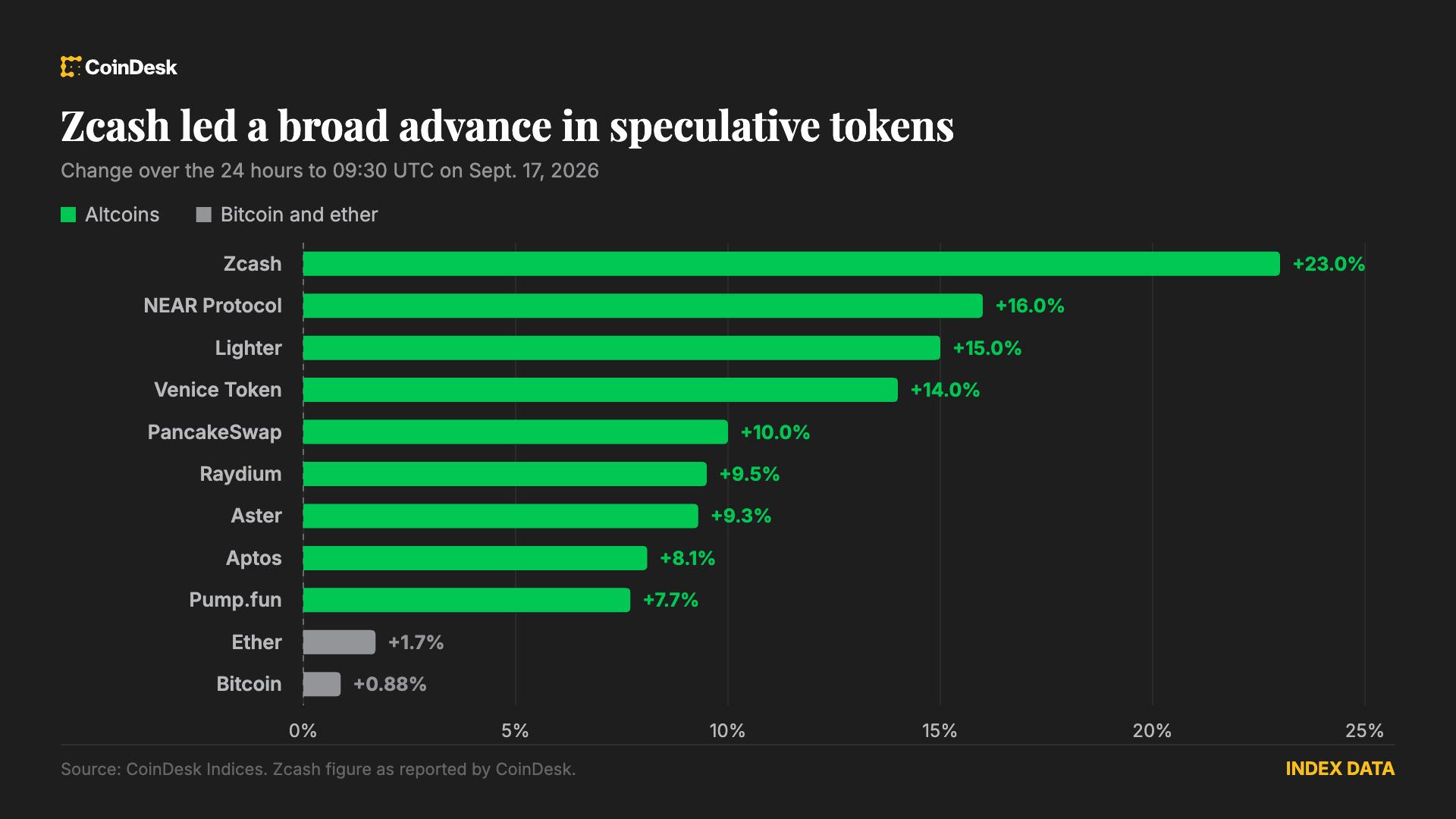
In September 2026, Zcash experienced a sharp price increase of about 20% in a single day after Paradigm co‑founder Matt Huang announced that the investment firm held ZEC and supported the ZODL. The news highlighted how institutional interest can boost a privacy coin’s visibility, but the underlying technology and funding structure remained unchanged. This surge occurred alongside a broader market rally triggered by a Federal Reserve rate hike, showing that privacy coins can move independently of mainstream assets like Bitcoin.
What This Means for You as an Online Earner
If you are looking to earn cryptocurrency through mining, staking, or providing liquidity, privacy coins present both opportunities and challenges. Mining Zcash, for example, still uses a proof‑of‑work algorithm (Equihash) that can be performed with GPUs, making it accessible to small‑scale miners. However, because shielded transactions require additional computational steps, mining a block that includes many private transfers can be slightly more demanding on hardware.
Beyond mining, some platforms offer “cloud rewards” that let you earn ZEC by allocating hash power remotely. These services can simplify the process, but they also introduce counterparty risk—you must trust the provider not to mismanage your earnings.
Because privacy coins aim to conceal transaction data, they can be attractive for users who value financial discretion. This can translate into higher demand, especially in regions with strict capital controls or surveillance. Higher demand may lead to price appreciation, but it also brings regulatory scrutiny, which can affect liquidity and exchange availability.
How to Evaluate a Privacy Coin Before You Earn
- Technology audit: Verify that the coin uses proven cryptographic methods like zk‑SNARKs or ring signatures. Look for academic papers or open‑source code reviews.
- Developer funding: Check if the project has a transparent, inflation‑funded treasury (as Zcash does) that supports long‑term development.
- Network security: Assess the hash rate (for proof‑of‑work coins) or the amount staked (for proof‑of‑stake variants) to gauge resistance to attacks.
- Regulatory environment: Research how your jurisdiction treats privacy coins. Some exchanges may delist them, affecting your ability to convert earnings.
- Liquidity: Ensure the coin is listed on reputable exchanges with sufficient trading volume to enter and exit positions without large price slippage.
- Community and governance: Active forums, regular updates, and clear governance processes (e.g., Zcash’s coin‑voting proposals) indicate a healthy ecosystem.
FAQ
Do I need special software to send ZEC privately?
Yes. To create shielded transactions you must use a wallet that supports z‑addresses, such as the official Zcash wallet or third‑party apps that have integrated zk‑SNARK functionality.
Is mining Zcash still profitable for small miners?
Profitability depends on your hardware efficiency, electricity costs, and the current ZEC price. Because Zcash’s algorithm is GPU‑friendly, modest setups can mine, but you should calculate expected rewards after accounting for the extra power needed for shielded transaction validation.
Can privacy coins be used for everyday purchases?
While some merchants accept ZEC, adoption is limited compared to mainstream coins. The privacy features can be a benefit for users who prefer discretion, but you may need to convert to a more widely accepted token for everyday spending.
Are privacy coins illegal?
Legality varies by country. Some jurisdictions treat them like any other cryptocurrency, while others impose restrictions or bans due to concerns over money‑laundering. Always check local regulations before acquiring or using a privacy coin.
This article references reporting from cointelegraph.com.