Are you wondering why Bitcoin sometimes spikes sharply and then retreats? This article explains what short liquidations are, how they affect price, and what you should consider if you’re looking to earn from crypto markets.
What are short liquidations and how do they work?
A short position is a bet that an asset’s price will fall. Traders borrow the asset, sell it on the market, and hope to buy it back later at a lower price, returning the borrowed amount and pocketing the difference. In the crypto world, most short positions are opened on margin‑trading platforms or futures exchanges, where traders can leverage their bets.
When the market moves against a short trader—meaning the price rises instead of falling—the trader’s margin (the collateral they posted) can become insufficient to cover potential losses. Exchanges set a liquidation price for each position. If the market price reaches that level, the exchange automatically closes the position to protect the lender and the platform from further loss. This forced closing is called a short liquidation.
During a liquidation, the exchange sells the borrowed asset on the open market to cover the trader’s debt. Because many short positions can be liquidated at once, a large amount of buying pressure is added to the order book, which can push the price higher. This feedback loop—shorts being forced to buy as the price rises—creates what traders call a short squeeze.
Real‑world illustration
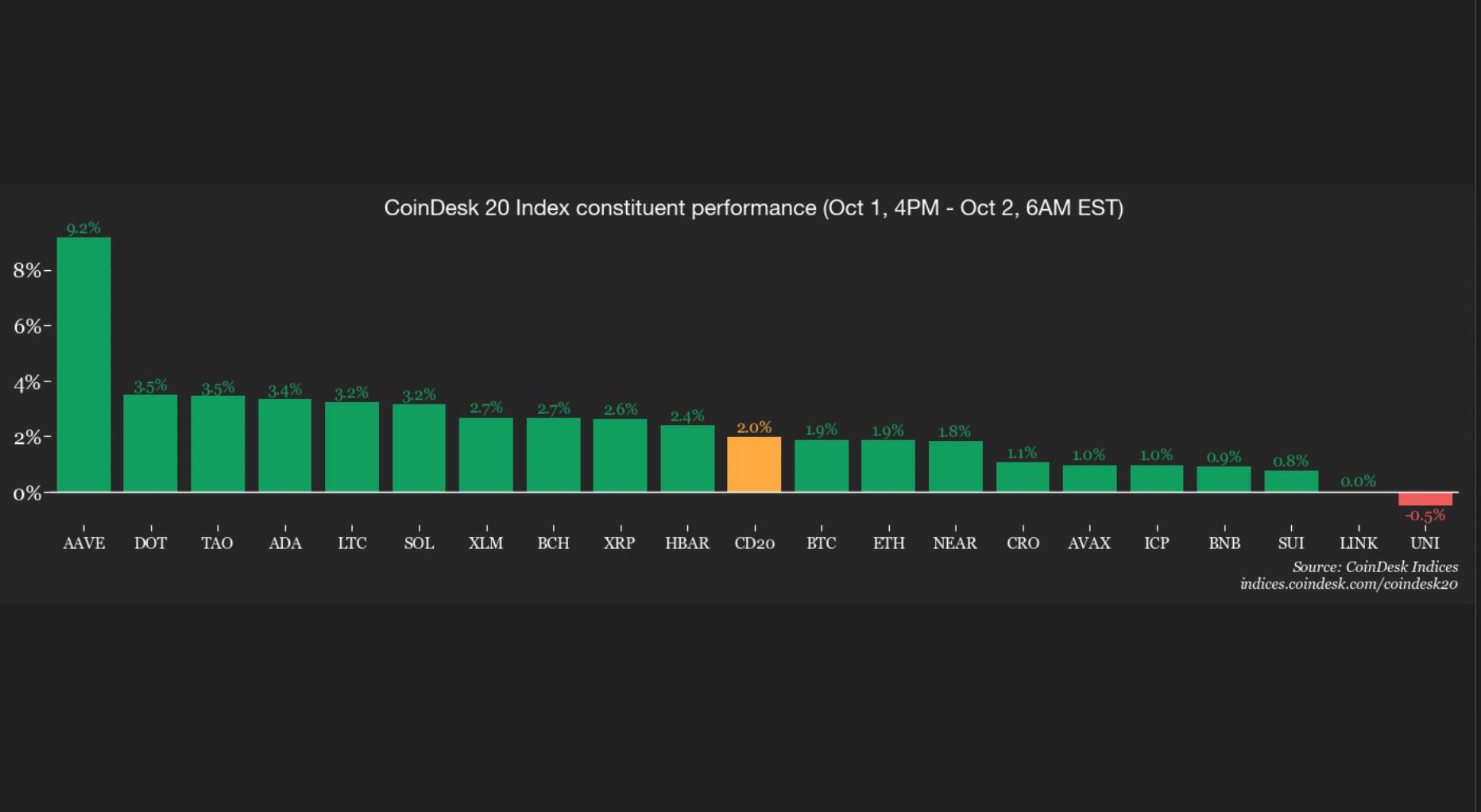
In early October 2026, Bitcoin’s price approached $87,000. Data from on‑chain analytics platforms showed that short liquidations exceeded $120 million in a 24‑hour window. A concentration of sell orders around $85,000 had kept the price rangebound, but once buyers broke through that barrier, the reduced ask liquidity above the level allowed the price to climb quickly. The surge in short liquidations added further buying pressure, contributing to the brief breakout to $86,857—the highest level since September 2024.
What this means for you
If you are trying to earn from Bitcoin’s price movements, understanding short liquidations helps you anticipate rapid price spikes. A sudden rise in price may not always reflect new demand; it could be amplified by forced buying from liquidated shorts. This can create short‑term trading opportunities, but it also means that price spikes can be volatile and may reverse quickly once the liquidation pressure eases.
How to evaluate short‑liquidation risk
- Watch order‑book depth: Thin ask (sell) liquidity above a price level can signal that a breakout may be swift, while deep sell walls can dampen price moves.
- Monitor liquidation heatmaps: Platforms like CoinGlass provide visual maps of where large clusters of short positions sit. A dense cluster near the current price suggests that a price rise could trigger many liquidations.
- Check leverage levels: High average leverage on an exchange means more traders are exposed to liquidation risk, increasing the chance of a short squeeze.
- Follow funding rates: On perpetual futures, a positive funding rate indicates that longs are paying shorts, often a sign of bullish sentiment and potential short‑liquidation pressure.
- Assess market sentiment: News of strong ETF inflows or institutional buying can add genuine demand, reinforcing price moves that start with liquidation‑driven buying.
FAQ
What is the difference between a short squeeze and a regular price rally?
A regular rally is driven by new buying interest, while a short squeeze is amplified by forced buying from liquidated short positions. Both can raise prices, but a squeeze often leads to a sharper, shorter‑lived spike.
Can I profit from short liquidations without taking a short position?
Yes. Some traders buy into the momentum created by a squeeze, aiming to sell once the price stabilizes. However, this strategy carries high risk because the price can fall as quickly as it rose once liquidation pressure subsides.
Do all exchanges handle liquidations the same way?
Most major futures exchanges use automatic liquidation mechanisms, but the exact thresholds, fees, and timing can differ. It’s important to read the margin and liquidation policies of any platform you use.
How can I protect my own leveraged position from being liquidated?
Maintain a comfortable margin buffer, avoid excessive leverage, and set stop‑loss orders. Regularly monitor your position’s liquidation price and adjust collateral if needed.
This article references reporting from cointelegraph.com.