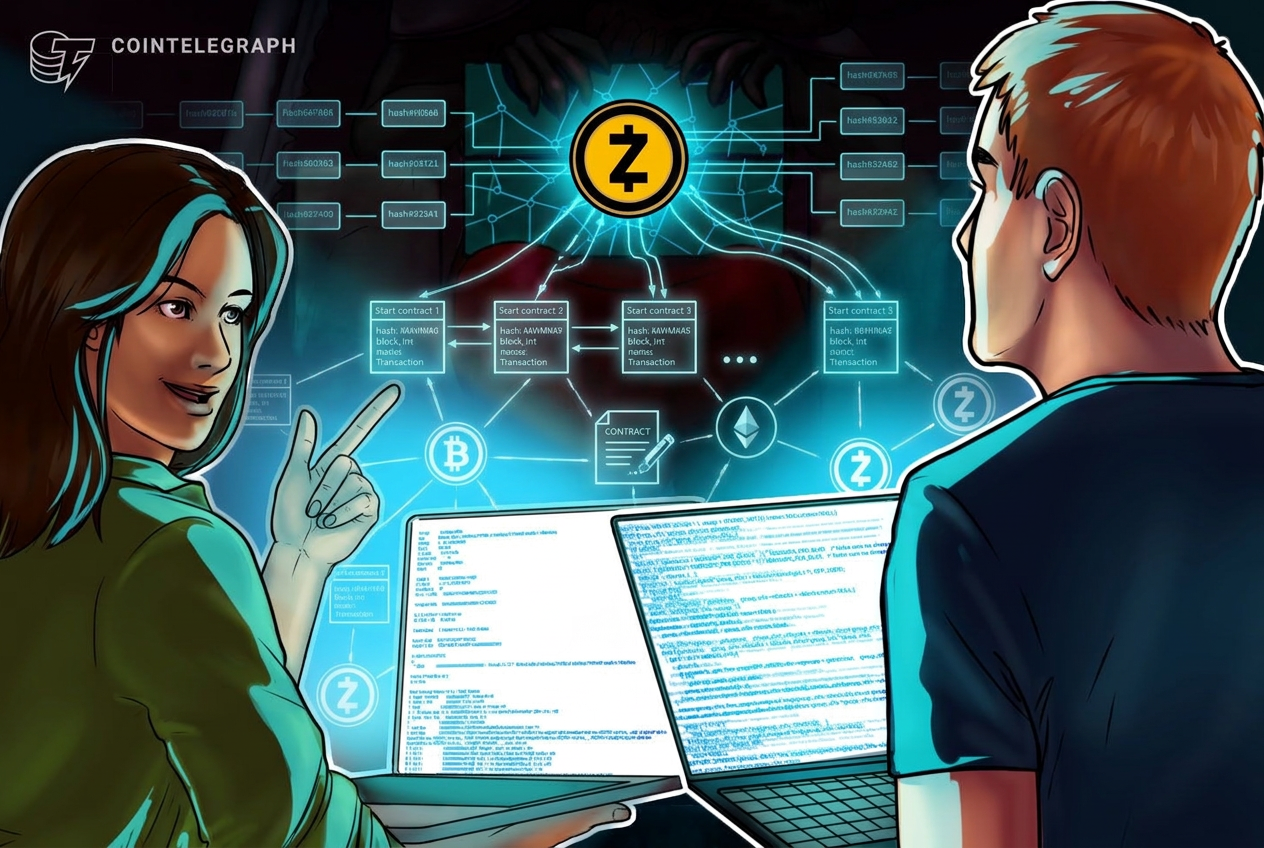
Are you wondering how a change in a blockchain’s block interval can affect your mining earnings and the overall health of the network? This article breaks down what block time is, why developers sometimes shorten it, and what the consequences are for miners, investors, and anyone looking to earn passive income from a proof‑of‑work chain.
What block time means and how it works
In a proof‑of‑work (PoW) blockchain, block time (or block interval) is the average period between the creation of successive blocks. Miners compete to solve a cryptographic puzzle; the first to find a valid solution adds a new block to the chain and receives the block reward plus any transaction fees included in that block.
Because the puzzle difficulty is adjusted automatically, the network can target a specific block time regardless of how many miners are active. A shorter target—say 25 seconds instead of 75 seconds—means blocks are produced three times more often. This has several ripple effects:
- Reward frequency: Miners receive the block subsidy more often, which can smooth out income but does not change the total amount of new coins created over a given period unless the reward schedule is also altered.
- Transaction confirmation speed: Users see their transactions confirmed faster, which can make the chain more attractive for everyday use.
- Network load: More blocks mean more data for full nodes, indexers, and explorers to store and process.
- Difficulty adjustment dynamics: The algorithm that retunes difficulty must respond more quickly to changes in hash power, which can affect stability if not designed for the new interval.
Why a blockchain might shorten its block interval
Project teams may propose a faster block time for several reasons. First, faster confirmations improve user experience, especially for applications that require near‑instant settlement. Second, a higher block frequency can increase the number of opportunities for miners to earn rewards, potentially attracting more hash power and enhancing security. Third, a shorter interval can reduce the variance in daily earnings, making mining income appear more stable for participants who rely on it as passive income.
However, shortening block time is not without trade‑offs. The increased data throughput can strain existing infrastructure, and the difficulty‑adjustment algorithm must be tuned to avoid large swings in mining difficulty that could destabilize the network.
Real‑world example: Zcash’s NU7 upgrade
In September 2026, Zcash developers announced that the upcoming NU7 mainnet upgrade aims to cut the block interval from 75 seconds to 25 seconds. The testnet activation was scheduled for 6 October 2026, with a final decision on the mainnet launch set for 20 October and a target activation date of 5 November 2026. Alongside the faster blocks, the upgrade integrates a Network Sustainability Mechanism (NSM) that preserves Zcash’s halving schedule and re‑introduces previously removed supply starting in February 2031.
The community showed overwhelming support: 99.9 % of ZEC‑weighted votes favored the faster‑block proposal, and 98.9 % backed keeping the halving schedule. The announcement coincided with a 20 % price increase for ZEC over 24 hours, highlighting how protocol changes can influence market sentiment.
What this means for you as a miner or passive‑income seeker
When a network adopts a shorter block time, your mining hardware will find valid blocks more frequently. This does not automatically increase the total number of new coins you earn per month, because the overall emission rate is usually adjusted to keep the annual supply roughly constant. However, the more regular payout schedule can make cash‑flow planning easier, especially if you are using mining as a source of passive income.
If you participate in a mining pool—such as EcoPool, which offers pooled mining for privacy‑focused coins—you may notice a higher number of reward distributions per day. This can reduce the variance of your earnings, but the pool’s fee structure and the network’s transaction fee market still play a role in your net profit.
Faster blocks also mean that transaction fees become a slightly larger component of each block’s reward, because there are more blocks to collect fees from. If the fee market is active, this can provide an additional income stream for miners.
What to check before you commit to mining a faster‑block chain
- Difficulty‑adjustment algorithm: Ensure the network’s algorithm is designed for the new interval. A poorly tuned algorithm can cause rapid difficulty spikes that make mining unprofitable.
- Hardware suitability: Shorter block times may favor miners with lower latency and higher hash‑rate consistency, as the window to submit a solution shrinks.
- Pool fees and payout frequency: Compare how different pools handle the increased block frequency. Some may adjust fees or payout schedules to reflect the change.
- Network bandwidth and storage: More blocks mean larger blockchain size growth. Verify that your node or pool infrastructure can handle the extra data without lag.
- Reward schedule: Look at the protocol’s emission plan. If the halving schedule is preserved, as with Zcash’s NSM, the long‑term supply dynamics remain unchanged, but short‑term earnings may feel different.
FAQ
Will a shorter block time increase my total mining earnings?
Not necessarily. The total number of new coins minted over a year is usually kept constant by adjusting the block subsidy. You will receive rewards more often, which can smooth cash flow, but the overall earnings depend on the network’s emission schedule and transaction fees.
Do faster blocks make a blockchain more secure?
Potentially. More frequent blocks can attract additional miners, increasing the total hash power and making attacks harder. However, security also relies on a well‑designed difficulty‑adjustment algorithm and sufficient network participation.
Will my wallet need an update after a block‑time change?
For most users, no. The upgrade typically does not alter transaction formats, so wallets continue to work. Full nodes, block explorers, and indexing services may require software updates to handle the higher block frequency.
How does a shorter block interval affect transaction fees?
With more blocks, the fee market is spread across a larger number of blocks, which can slightly increase the proportion of fees in each block’s reward. If the network experiences high transaction demand, miners may see higher overall fee income.
This article references reporting from cointelegraph.com.