Ever wonder why a seemingly secure blockchain service can suddenly lose millions of dollars? This article explains how smart‑contract bugs create vulnerabilities, how exploits happen, and what steps you can take to protect your crypto earnings.
What a Smart‑Contract Bug Actually Is
A smart contract is a piece of code that runs on a blockchain and automatically enforces the rules of a transaction. When developers write this code, they must anticipate every possible way users might interact with it. A bug is any mistake in the code that lets someone do something the contract wasn’t intended to allow—such as moving funds without permission.
Common types of bugs include:
- Re‑entrancy: an attacker repeatedly calls a function before the contract finishes updating its balance, siphoning funds.
- Integer overflow/underflow: calculations wrap around when numbers get too large or too small, leading to incorrect balances.
- Incorrect access control: functions that should be limited to the contract owner are left open to anyone.
- Logic errors in deposit/withdrawal flows: mismatches between how assets are recorded and how they are moved on‑chain.
Because smart contracts are immutable once deployed, fixing a bug usually requires deploying a new contract and migrating users’ assets—a process that can be slow and risky.
How Exploits Typically Unfold
When a bug exists, an attacker first discovers it, often by reviewing the contract’s source code or by testing transactions on a test network. Once the vulnerability is confirmed, the attacker crafts a transaction that triggers the bug and moves funds to an address they control. Because blockchain transactions are irreversible, the stolen assets can be quickly moved to other chains or exchanges, making recovery difficult.
After the exploit, the affected project must investigate:
- Identify the exact code path the attacker used.
- Determine how much value was taken and where it was sent.
- Patch the bug, either by upgrading the contract or by pausing services.
- Communicate with users and, if possible, arrange compensation.
Real‑World Illustration: NEAR Intents Hack
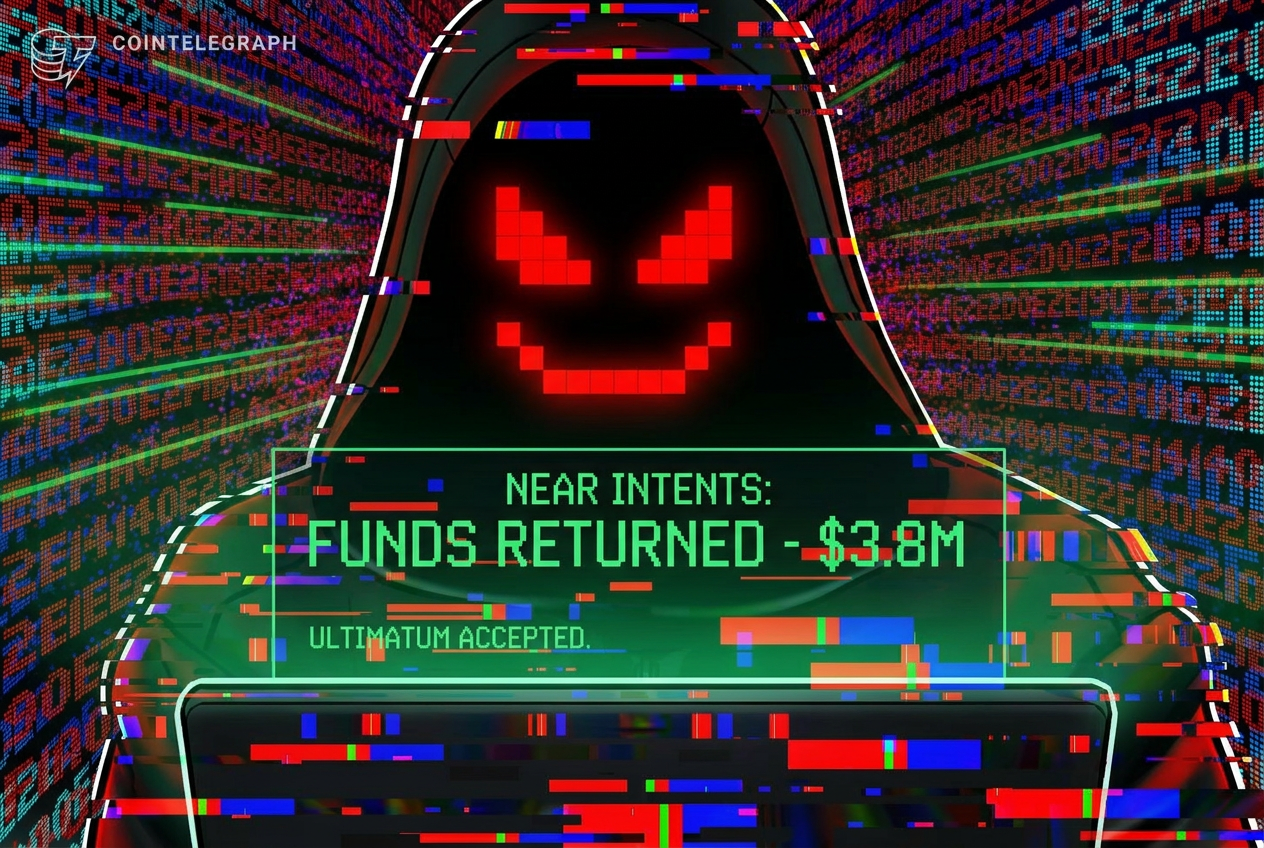
In October 2026, NEAR Intents suffered a security breach that resulted in the theft of about $3.8 million in user funds. The breach was traced to “a bug in the Omni deposit and withdrawal infrastructure interaction with the NEAR Intents smart contract.” The attacker moved the stolen assets to the KuCoin exchange and then bridged them to Bitcoin.
NEAR Intents identified the individual behind the exploit and gave them a 48‑hour ultimatum to return the funds under a “responsible disclosure” policy. The exploiter complied, and the full amount was recovered. The platform paused its services while the bug was fixed and urged future security researchers to use bug bounties instead of disruptive attacks.
What This Means for You
If you earn crypto through staking, cloud rewards, or other online services, you are trusting that the underlying smart contracts are secure. A bug can jeopardize not only your earnings but also the entire platform’s reputation. While you cannot control the code quality of every service, you can reduce exposure by:
- Choosing platforms that have undergone independent security audits.
- Prefering services that run bug‑bounty programs, indicating they welcome responsible disclosure.
- Keeping only the amount you need for active participation on a platform, and storing the rest in a personal wallet you control.
How to Evaluate a Platform’s Security
Before committing funds, run through this quick checklist:
- Audit reports: Look for publicly available audit documents from reputable firms. Verify the date and scope of the audit.
- Bug‑bounty program: Does the project reward security researchers? Active bounty programs suggest ongoing vigilance.
- Transparency: Does the team publish incident reports and explain how they fixed issues?
- Contract verification: Check that the contract code is verified on block explorers, allowing anyone to review it.
- Community feedback: Browse developer forums and social channels for discussions about security concerns.
FAQ
What is “responsible disclosure”?
Responsible disclosure is a process where security researchers report a vulnerability directly to the project team, giving them time to fix it before the details become public. It helps protect users by preventing attackers from learning about the flaw first.
Can I recover funds if a hack occurs?
Recovery is rare because stolen crypto can be quickly moved across chains and exchanges. Some projects, like NEAR Intents, have succeeded when the attacker cooperated, but you should assume that lost funds may be unrecoverable.
Do audits guarantee safety?
No. Audits reduce risk by identifying known issues, but they cannot catch every possible vulnerability, especially those that emerge from complex interactions with other contracts or new blockchain features.
Should I keep all my earnings on a platform?
It is safer to withdraw earnings you don’t need for immediate use and store them in a personal wallet where you control the private keys. This limits the amount at risk if a platform is compromised.
This article references reporting from cointelegraph.com.