Are you curious about how publicly traded companies can hold large amounts of cryptocurrency and still raise capital without diluting existing shareholders? This article explains the crypto treasury model, how it creates an equity premium, and what the recent decline in that premium means for anyone looking to earn from these vehicles.
What the crypto treasury model actually is
The crypto treasury model, sometimes called the digital asset treasury (DAT) model, is a financing structure used by publicly listed companies to acquire and hold cryptocurrency on their balance sheets. The basic idea is simple: a company issues new shares, receives cash from investors, and uses that cash to buy crypto. Because the company’s shares trade at a price higher than the net asset value (NAV) of the crypto it holds, the company can raise more money than the underlying crypto would allow on its own. This price excess is known as an equity premium to NAV (often abbreviated mNAV when expressed as a multiple).
When the premium is positive—meaning the market values the company’s stock at more than the total value of its crypto holdings—the company can issue additional shares without diluting the ownership percentage of existing shareholders. The new cash is then used to purchase more cryptocurrency, potentially increasing future returns for all shareholders. The model therefore relies on two key components:
- Crypto holdings as a balance‑sheet asset: The company’s crypto (usually Bitcoin) is recorded at market price, forming the core asset.
- Equity premium: Investors are willing to pay more for the stock than the simple sum of its crypto assets, often because they value the company’s management, liquidity, regulatory compliance, and the convenience of gaining crypto exposure through a traditional stock.
In practice, the model was popularized by Michael Saylor’s Bitcoin treasury strategy at MicroStrategy in 2020. Since then, dozens of firms—ranging from dedicated crypto investment trusts to diversified technology companies—have adopted the approach, creating a niche market of DAT stocks.
Real‑world illustration
In September 2026, DWF Ventures published a report showing that the crypto treasury model’s edge is fading. The analysis found that only four of the 20 largest DAT companies—Bit Digital, Strive, Hyperliquid Strategies, and BitMine—still trade above an mNAV of 1, meaning their market value exceeds the value of their crypto holdings. The other 16 firms now trade at a discount, indicating that investors are no longer paying a premium for crypto exposure through these companies.
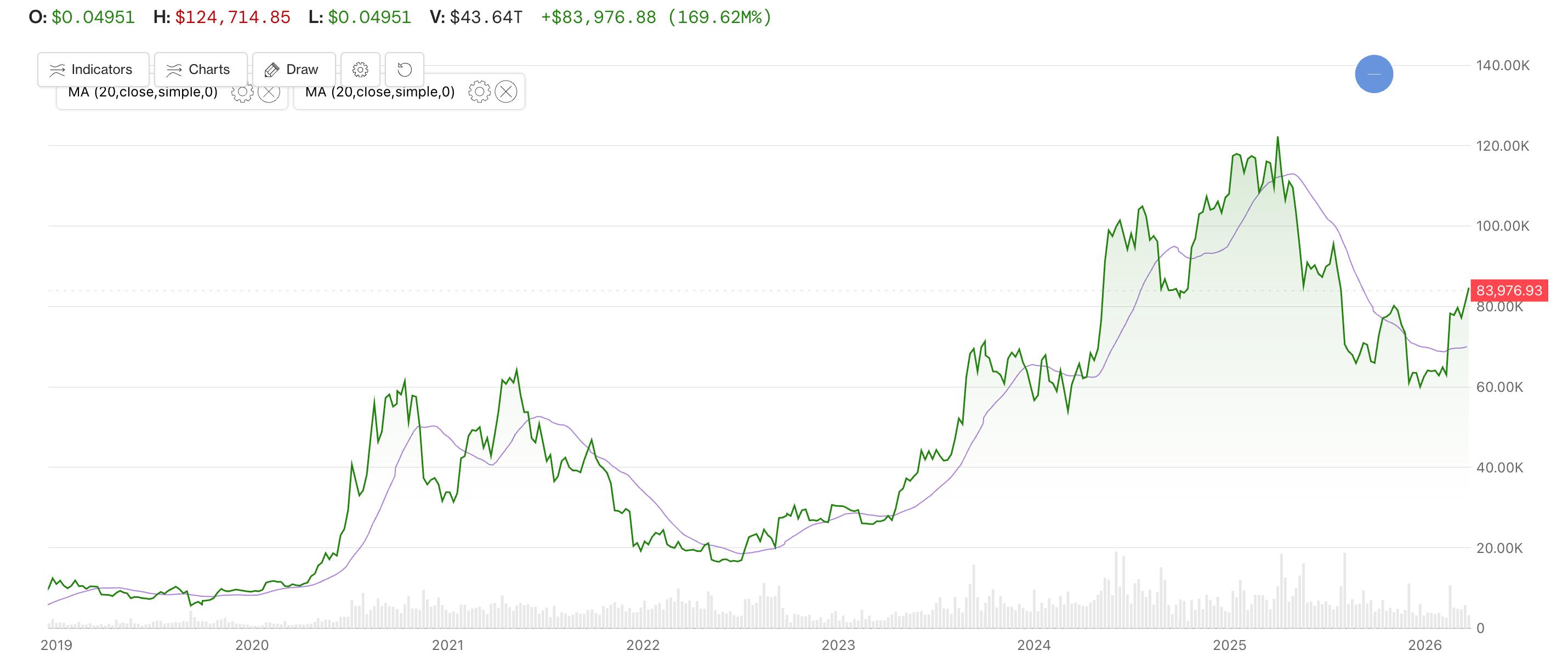
The report also noted that the premium peaked in late 2024 during a strong Bitcoin rally, but has since eroded as Bitcoin’s price fell from a record above $126,000 to around $86,000. Companies like Sequans Communications, which launched a Bitcoin treasury strategy in 2025, have already exited their positions, selling all 314 BTC and eliminating crypto from their balance sheets.
What this means for you
If you are considering earning passive income by buying shares of a DAT company, the shrinking premium changes the risk‑reward balance. When the premium is high, buying the stock can give you leveraged exposure to Bitcoin—your investment benefits from both the price appreciation of the crypto and the market’s willingness to value the company above its underlying assets. When the premium collapses, the stock essentially mirrors the price of the crypto itself, and any future share issuance could dilute your stake.
In a discount environment, the primary benefit of a DAT stock is reduced: you no longer get “free” capital to buy more crypto, and the company’s ability to fund additional purchases without diluting shareholders is limited. This makes the model more vulnerable to price volatility and reduces the upside compared with simply holding the cryptocurrency directly.
How to evaluate a crypto treasury investment
Before allocating money to a DAT company, run through this short checklist:
- Check the mNAV ratio: Divide the market capitalization by the net asset value of the crypto holdings. An mNAV above 1 indicates a premium; below 1 signals a discount.
- Assess liquidity and trading volume: Low volume can lead to price swings unrelated to the underlying crypto.
- Review the company’s governance: Look for transparent reporting of crypto holdings, regular audits, and clear policies on how new capital will be used.
- Understand the dilution risk: If the company needs to raise more equity while trading at a discount, existing shareholders may see their ownership percentage shrink.
- Consider the underlying crypto exposure: Determine whether the company holds a single asset (usually Bitcoin) or a diversified basket, and how that aligns with your risk tolerance.
FAQ
What is the difference between buying a DAT stock and buying the cryptocurrency directly?
Buying a DAT stock gives you exposure to crypto plus the benefits of a regulated, publicly traded company—such as easier buying and selling, potential dividend‑like distributions, and professional custody. However, the stock price also reflects market sentiment about the company itself, which can create a premium or discount relative to the underlying crypto.
Why do some DAT companies still trade at a premium?
Companies that maintain strong corporate governance, transparent reporting, and a track record of responsibly using raised capital can sustain investor confidence. Those that consistently outperform the underlying crypto or offer additional services (e.g., staking, lending) may also justify a premium.
Can a DAT company lose its premium overnight?
Yes. The premium depends on investor perception. A sharp decline in the underlying crypto price, negative news about the company’s management, or broader market risk aversion can quickly turn a premium into a discount.
Is the crypto treasury model suitable for long‑term passive income?
It can be, but only if the company maintains a premium and uses new capital to grow its crypto holdings without diluting shareholders. In a discount scenario, the model offers little advantage over direct crypto ownership, and the risk of dilution increases.
This article references reporting from cointelegraph.com.