Tokenization Takes Center Stage in Crypto Regulation
The House Financial Services Committee is shifting its focus to tokenization, a crucial aspect of the crypto industry. As the committee explores this new frontier, it’s essential to understand how tokenization can impact everyday people, particularly those interested in earning online. The potential for tokenization to increase efficiency and reduce costs can have a significant impact on the average person’s ability to earn and manage their finances.
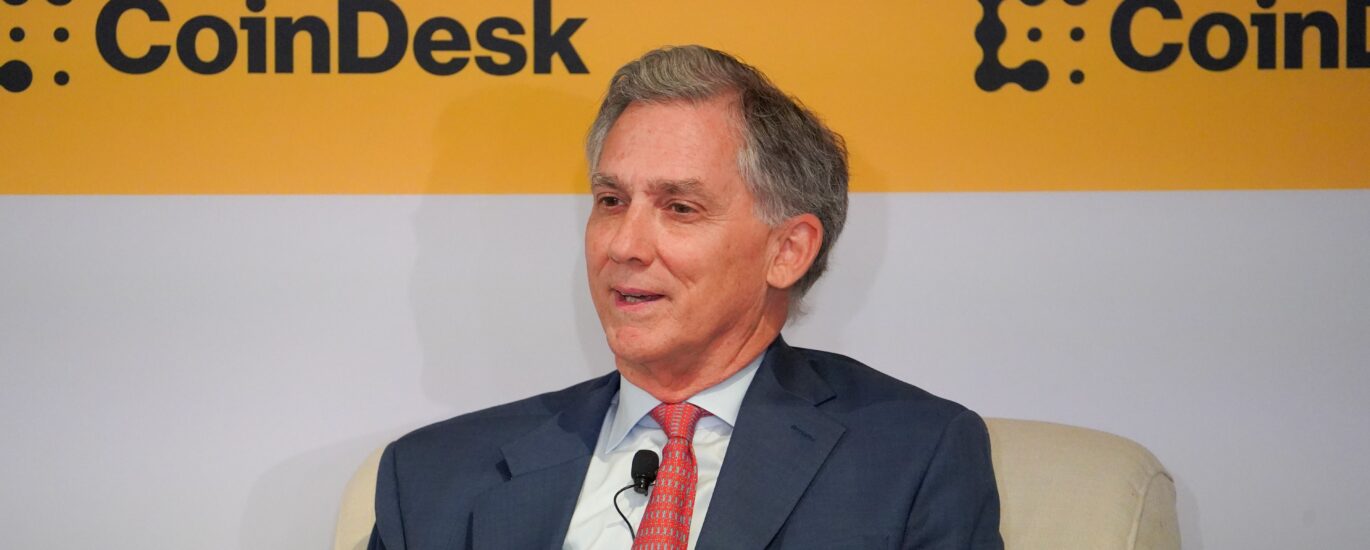
The committee’s chairman, Rep. French Hill, has emphasized the importance of tokenization, stating that it’s the next major agenda item after stablecoins and market structure. Hill believes that tokenization can bring about significant changes to the financial system, making it more efficient and accessible. This, in turn, can lead to new opportunities for earning and passive income through platforms like EcoPool.
Tokenization views
The narrative
Understanding Tokenization
Tokenization involves converting real-world assets into digital tokens, which can be traded and managed on blockchain-based systems. This process has the potential to increase accuracy, reduce fraud, and improve settlement times. However, it also raises questions about regulatory oversight and the need for additional authorities or rules. The Financial Services Committee is working to determine whether legislative action is necessary or if policymaking can remain at the regulator level.
Why it matters
EcoPool, a platform that enables users to earn $ECP, is an example of how tokenization can be used to create new opportunities for earning and passive income. By leveraging the power of tokenization, EcoPool provides a unique solution for individuals looking to earn online. The committee’s exploration of tokenization can have a significant impact on the development of such platforms and the broader crypto industry.
Breaking it down
Implications for the Crypto Industry
The House Financial Services Committee’s focus on tokenization is a significant development for the crypto industry. As the committee works to understand the implications of tokenization, it’s likely to have a profound impact on the future of crypto regulation. The potential for tokenization to increase efficiency and reduce costs can make it an attractive option for individuals and businesses looking to earn and manage their finances.
The committee’s efforts can also have a positive impact on the development of green crypto initiatives, such as EcoPool, which aim to reduce the environmental impact of crypto mining and transactions. By exploring the potential of tokenization, the committee can help create a more sustainable and equitable crypto industry.
Call to Action
As the crypto industry continues to evolve, it’s essential for individuals to stay informed and engaged. The EcoPool app provides a unique opportunity for individuals to earn $ECP and participate in the crypto economy. Download the EcoPool app to learn more about the potential of tokenization and how it can impact your ability to earn online. By joining the EcoPool community, you can stay up-to-date on the latest developments in the crypto industry and be a part of the conversation around tokenization and its potential to shape the future of finance.
He said the Senate counterpart to the House’s bill had begun adopting some of the House version’s details as lawmakers negotiated aspects of the legislation ahead of this month’s Senate Banking Committee markup.
“I think the Senate’s relied quite a bit on the House work on both FIT21 [the Financial Innovation and Technology for the 21st Century Act] from the previous Congress and Clarity in this Congress,” he said in April. “I think you see that quite clearly in the Senate Agriculture markup, I think you see that in the basic draft of many of the components in the Senate bill.”
Senate negotiators have kept their House counterparts “apprised of the process,” he said, adding that both he and Rep. Bryan Steil, who chairs the House Subcommittee on Digital Assets, Financial Technology, and Artificial Intelligence, have been in touch with senators working on the Clarity Act.
His committee is now looking at other issues, like tokenization and lawmakers’ role in that area, he said. The Financial Services Committee held a hearing on tokenization in late March, which Hill said was aimed at helping lawmakers consider what the Securities and Exchange Commission (SEC) and bank regulators might need in terms of additional authorities or rules to facilitate companies engaging in tokenizing real-world assets.
Part of this effort is determining whether there even needs to be a legislative effort, or if policymaking could remain at the regulator level, he said.
“Tokenization of an asset, such as a common stock, is really an exercise in changing systems,” he said. “It’s not changing the law. All the legal or regulatory requirements about common stock are also applied to a common stock token, right? And so in our view, that’s why these hearings bring up member awareness.”
The House and Senate, as overseers of the regulatory agencies, can, for example, use hearings to ask how existing systems can be adopted to blockchain-based systems, he said.
In a similar vein, Hill said he was looking at the possible tokenization of deposits in the commercial banking industry, which could enable direct debit payments without needing an intermediated stop.
This isn’t necessarily imminent, but it is an area that his committee may explore, he said.
“You think about going from call-out markets right to paper-based markets to digitization of that paper-based system, which took place in the 1970s and 1980s, and that’s increased accuracy, reduced fraud, increased speed, decreased the need for liquidity [and] improved settlement,” he said. “We went from T+5 on equities in the 1970s to T+1. So to me, this is an operating decision, and the interoperability of it is the biggest challenge, not the mechanical, technical aspect of doing it.”
Tokenized markets will, therefore, need work on interoperability and compliance, he said.
“We’ll find out if there needs to be some, you know, legislative activity versus purely regulatory, and that’s good. That’s what Congress’s job is,” he said.
The other major topic he’s tracking — at least in the crypto world — is the effort to update tax regulations around digital assets, he said. The House Ways and Means Committee is already working on tax issues, and a bipartisan group of lawmakers reintroduced a bill specifically targeting crypto taxes earlier this month.
And of course, there will be an election later this year that will determine control of the House of Representatives and Senate. The crypto industry is, as it was in 2024, heavily engaged in primary races, trying to bolster candidates that the various political action committees see as being friendly toward crypto.
Hill said the Financial Services Committee in particular has long been engaged in digital assets, referencing work by former Rep. Patrick McHenry and his Democratic counterpart, Rep. Maxine Waters, over the past 10 years.
“In the past four years, we’ve seen the digital assets ecosystem really engage, not only on policy points, but also politically,” Hill said. “And you saw that in the 2024 election … So I anticipate that the digital assets ecosystem, political activity will be important to the 2026 election. It’s bipartisan. It’s supportive of people who are pro-innovation.”
Hill said the industry’s political engagement in this year’s vote is important, and that there is already bipartisan appetite for crypto.
“If we’re successful in GENIUS rulemaking, and we’re successful in passing Clarity, you’ll commence about a 12-month joint rulemaking process between the CFTC and SEC,” Hill said. “And I really think policy attention will track back into the regulatory agencies to try to make sure that our vision in the House of an integrated, common, fit-for-purpose approach is absolutely implemented.”
This week
Thursday
- 14:00 UTC (10 a.m. ET) The House Financial Services Committee will hold an oversight hearing with federal bank regulators.
If you’ve got thoughts or questions on what I should discuss next week or any other feedback you’d like to share, feel free to email me at nik@coindesk.com or find me on Bluesky @nikhileshde.bsky.social.
You can also join the group conversation on Telegram.
See ya’ll next week!