Are you curious about why governments and businesses keep talking about “tokenization” even as they criticize cryptocurrencies? This article breaks down what tokenization actually is, how it functions on a blockchain, and what you should consider before trying to earn from tokenized assets.
What tokenization is – plain and simple
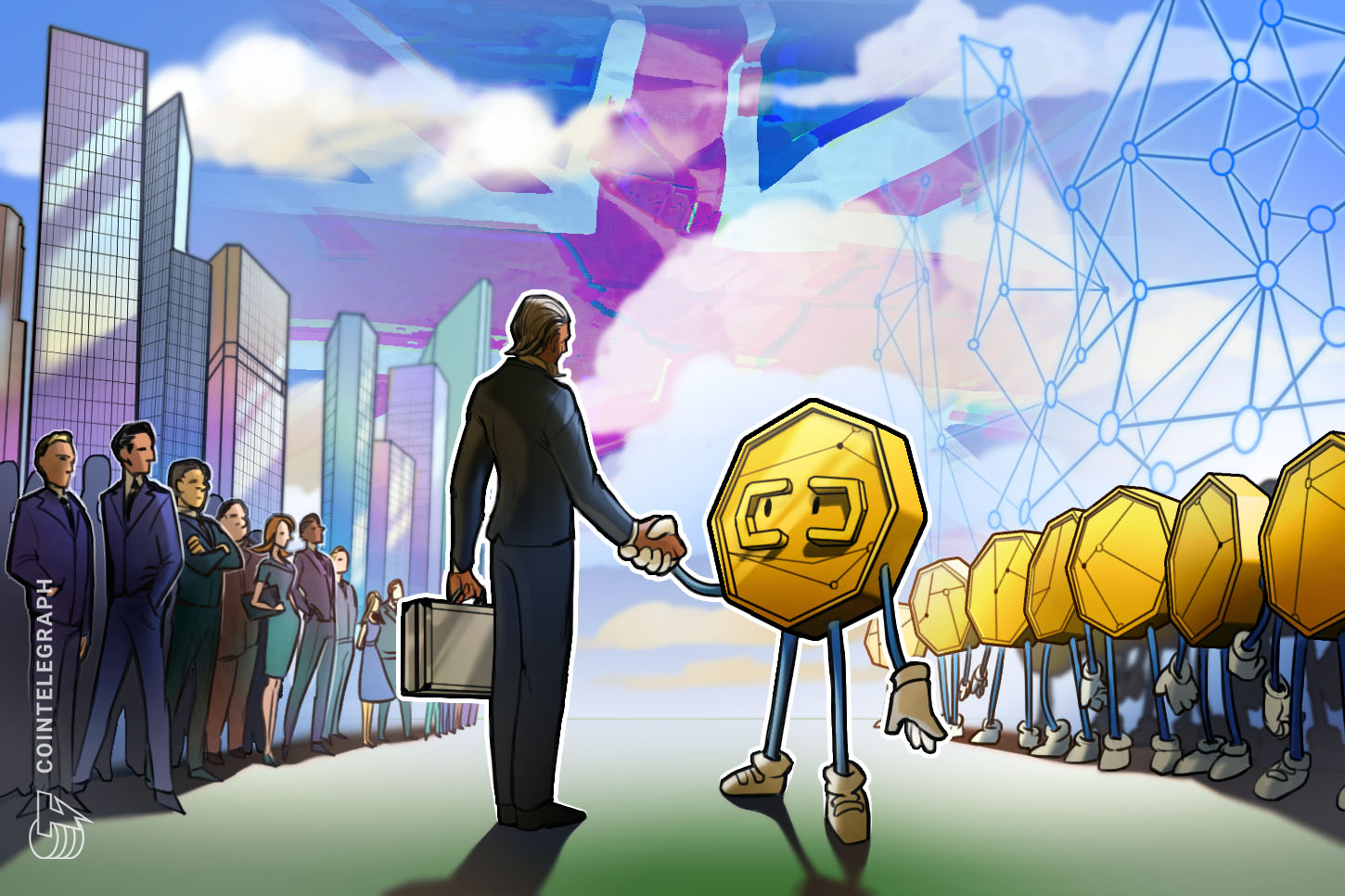
Tokenization is the process of creating a digital representation, or token, of a real‑world asset on a blockchain. Instead of holding a physical object—like a piece of real estate, a gold bar, or a share certificate—you hold a cryptographic token that proves you own a slice of that asset.
Key terms:
- Blockchain: A decentralized ledger where each transaction is recorded in a block that is linked to the previous one, making the history tamper‑proof.
- Token: A digital unit stored on a blockchain that can represent anything of value.
- Asset-backed token: A token whose value is tied to a specific underlying asset, such as a property or a commodity.
- Smart contract: Self‑executing code on a blockchain that enforces the rules of a token, for example, automatically transferring ownership when payment is received.
When an asset is tokenized, a smart contract is written to define the total supply of tokens, the rights of token holders, and how transfers are handled. The contract is then deployed on a public or permissioned blockchain. Once live, anyone can buy, sell, or trade the tokens, and the blockchain records each change of ownership without needing a central intermediary.
Why tokenization matters
Tokenization can lower barriers to entry. A property that would normally require a large down payment can be split into thousands of tokens, allowing investors to purchase just a fraction. It also improves liquidity; tokens can be traded on secondary markets 24/7, unlike traditional assets that often require weeks to settle.
Because the ledger is public, token holders can verify ownership and transaction history themselves, reducing reliance on opaque paperwork. This transparency is one of the main arguments for using blockchain technology even when critics remain skeptical about speculative cryptocurrencies.
Real‑world illustration
In November 2026, former UK Prime Minister Boris Johnson spoke at Solana’s Breakpoint conference in London. While he reiterated his view that Bitcoin resembles a Ponzi scheme, he emphasized that the United Kingdom should lead in “tokenization” of financial assets. He was joined by Lord Ross Kempsell, who noted that more than 8 % of UK adults hold crypto and called for regulators to work with industry participants to create a “high‑growth” sector.
This public endorsement highlights how tokenization is being positioned as a separate, more respectable use of blockchain technology—one that could drive economic growth, job creation, and integration with existing fintech infrastructure.
What it means for you as an online earner
If you are looking for ways to earn passive income online, tokenized assets can offer a middle ground between traditional investing and speculative crypto trading. By purchasing tokens that represent real assets, you may earn:
- Yield: Some tokenized assets distribute a share of the underlying revenue, such as rental income from a tokenized property.
- Capital appreciation: If the underlying asset’s value rises, the token’s price may increase accordingly.
- Liquidity: Tokens can often be sold on secondary markets without the lengthy processes typical of physical asset sales.
However, tokenized assets are still subject to market risk, regulatory changes, and the operational health of the platform issuing the tokens. Your earnings are not guaranteed, and you could lose the entire investment.
How to evaluate a tokenized offering
Before you commit funds, run through this short checklist:
- Asset verification: Confirm that the underlying asset is real, legally owned by the issuer, and properly documented.
- Regulatory compliance: Check whether the token is registered or exempt under local securities laws. In the UK, the FCA’s guidance on digital assets is a useful reference.
- Smart contract audit: Look for third‑party audits of the token’s smart contract to ensure there are no hidden vulnerabilities.
- Liquidity options: Identify where the token can be traded and what the typical market depth is. Thin liquidity can make it hard to exit your position.
- Revenue model: Understand how, if at all, the token distributes earnings. Some tokens simply track price appreciation without any cash flow.
FAQ
Is tokenization the same as a cryptocurrency?
No. A cryptocurrency like Bitcoin is a native digital currency whose value is determined by market demand. A tokenized asset is a digital representation of a specific real‑world item, and its value is tied to that underlying asset.
Do I need a special wallet to hold tokenized assets?
Most tokenized assets are built on popular blockchains such as Ethereum or Solana, so any wallet that supports those networks can store the tokens. Ensure the wallet allows you to view token details and interact with the relevant smart contracts.
Are tokenized assets regulated?
Regulation varies by jurisdiction. In many countries, asset‑backed tokens are treated as securities and must comply with securities laws. In the UK, the Financial Conduct Authority is developing guidance to clarify the regulatory perimeter for digital assets.
Can I earn passive income from tokenized assets?
Some tokenized assets pay regular distributions, like rental income from a tokenized property. Others only offer potential price appreciation. Always read the token’s prospectus or offering documents to know what, if any, income you can expect.
This article references reporting from cointelegraph.com.