Ever wonder how a traditional stock can exist on a blockchain? This article explains the basics of tokenized securities, how they operate, and what you should consider before diving in.
The plain explanation
A tokenized security is a digital representation of a real-world financial asset—such as a share of stock, a bond, or a piece of real estate—issued on a blockchain. Instead of a paper certificate or a record in a central registry, ownership is recorded in a smart contract, which is a self‑executing piece of code that runs on a distributed ledger.
The blockchain provides three key benefits:
- Transparency: Every transfer is publicly recorded, making it easy to verify ownership.
- Speed: Settlements that traditionally take days can happen in minutes or seconds.
- Accessibility: Fractional ownership is possible, allowing investors to buy tiny slices of an otherwise expensive asset.
To create a tokenized security, a regulated issuer must first comply with the same securities laws that apply to traditional offerings. This usually involves filing with the relevant regulator (e.g., the U.S. Securities and Exchange Commission, or SEC) and ensuring that the token meets the definition of a “security” under the Howey Test. Once approved, the issuer mints digital tokens that represent the underlying asset and distributes them to investors.
Investors then hold these tokens in a compatible wallet. When they want to sell, they can do so on a platform that supports tokenized securities, often called a security token exchange. These platforms must also be registered or exempt under the regulator’s rules, which is why recent regulatory developments are crucial for the market’s growth.
A real example
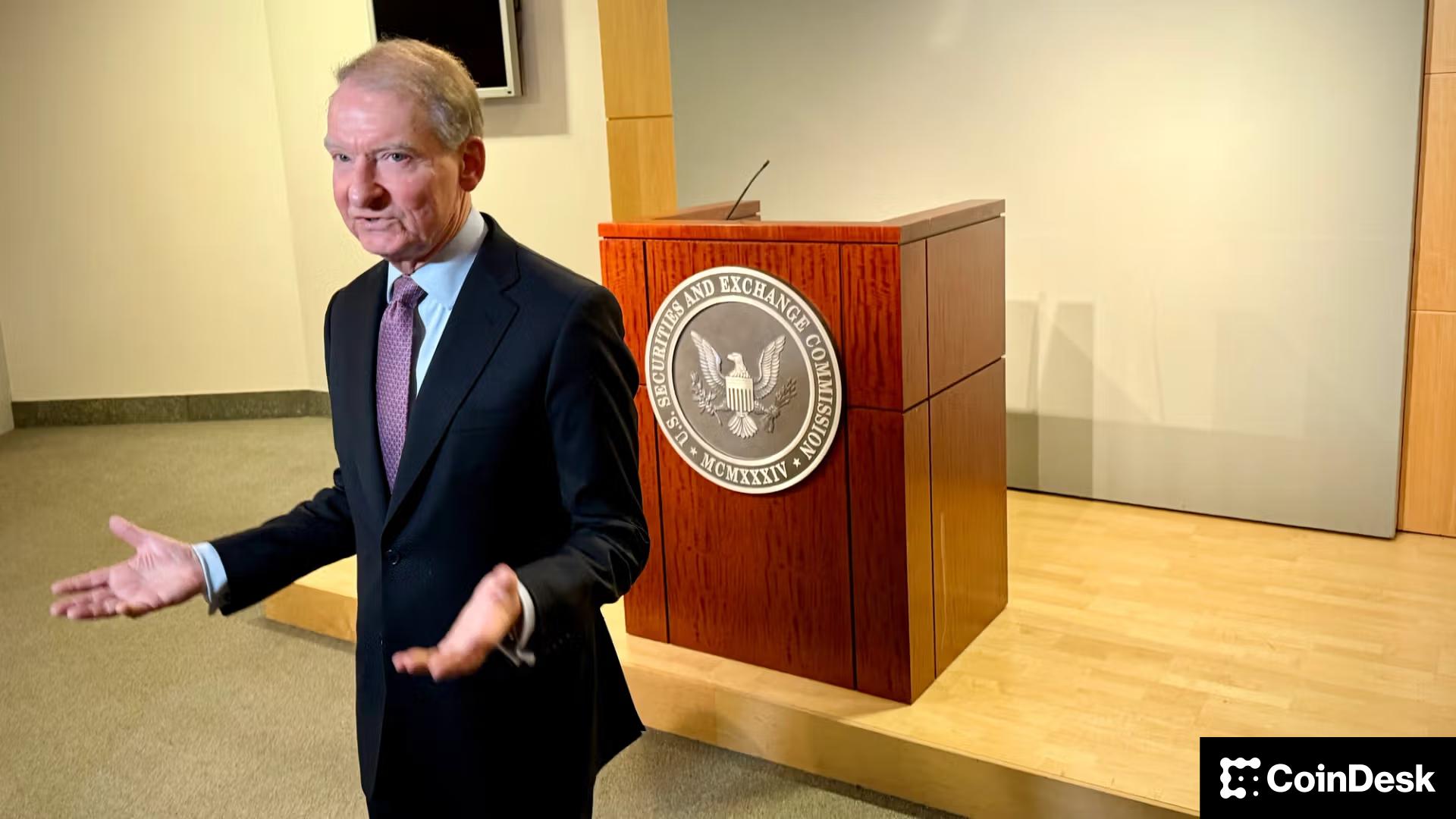
In March 2026, the U.S. Securities and Exchange Commission (SEC) announced an “innovation exemption” that eases the path for venues offering tokenized securities. The exemption allows certain platforms to operate without meeting the full suite of traditional exchange requirements, provided they implement robust investor protection measures. This regulatory shift was highlighted as a milestone that could open the door for more tokenized U.S. stock trading.
What it means for you
If you’re looking to earn passive income or diversify your portfolio, tokenized securities offer a new avenue. Because tokens can be fractional, you can invest in high‑price assets—like a single share of a $1,000‑plus stock—with as little as a few dollars. This lowers the barrier to entry and makes it easier to build a diversified basket of assets.
However, the benefits come with new risks. The technology is still maturing, and not all platforms have the same security standards. Additionally, tokenized securities remain subject to the same market volatility and regulatory risk as their traditional counterparts.
What to check / how to judge
- Regulatory status: Verify that the platform is registered with the SEC or holds a valid exemption. Look for public filings or official notices.
- Custody solution: Ensure the platform uses a reputable, insured custodian for the underlying assets and that your tokens are stored in a wallet you control.
- Liquidity: Check whether there is an active secondary market for the token. Low liquidity can make it hard to sell your holdings at a fair price.
- Fees: Compare transaction, custody, and withdrawal fees across platforms. High fees can erode the returns from small, fractional investments.
- Compliance measures: Look for Know‑Your‑Customer (KYC) and Anti‑Money‑Laundering (AML) procedures, as well as audit reports of the smart contracts.
FAQ
Are tokenized securities the same as regular stocks?
They represent the same economic interest, but ownership is recorded on a blockchain rather than in a traditional ledger. This changes how you buy, sell, and hold the asset.
Do I need a special wallet to hold tokenized securities?
Yes, you need a wallet that supports the blockchain and token standard used (e.g., ERC‑20 on Ethereum). Some platforms provide custodial wallets, but non‑custodial options give you full control.
Is my investment protected if the platform fails?
Protection depends on the platform’s custody arrangements. If the underlying assets are held by a regulated, insured custodian, you may have recourse. Always read the platform’s terms and insurance coverage.
Can I earn passive income from tokenized securities?
Some tokenized assets distribute dividends or interest automatically via smart contracts, similar to traditional payouts. The frequency and amount depend on the underlying security’s terms.
This article references reporting from coindesk.com.