
Ever wonder how a digital version of a company’s share can be bought, sold, and settled instantly? This article explains the mechanics behind tokenized stocks, how blockchain can serve as a settlement ledger, and what that means for anyone looking to earn or trade online.
What tokenized stocks are and how they work
Tokenized stocks are digital representations of traditional equity shares, issued on a blockchain as tokens. Each token is backed one‑to‑one by an actual share held in custody by a regulated entity, ensuring that the token holder has the same economic rights—dividends, voting, price appreciation—as the underlying stock.
The process begins with a custodial bank or broker that holds the physical or electronic shares. They then mint a corresponding number of tokens on a blockchain platform. These tokens can be transferred peer‑to‑peer, just like any other cryptocurrency, but the ledger records every movement, providing transparent proof of ownership.
Key terms:
- Custodian: A regulated institution that actually owns the underlying shares and guarantees that each token is fully backed.
- Minting: The creation of new tokens that represent the underlying assets.
- Settlement ledger: The system that records the final transfer of ownership after a trade, confirming that the buyer now owns the token and the seller has received payment.
- Smart contract: Self‑executing code on the blockchain that can automate settlement steps, such as releasing the token when payment is confirmed.
Why blockchain settlement matters
Traditional stock settlement in the United States follows a T+2 model, meaning the trade is finalized two business days after execution. During this window, the buyer’s cash and the seller’s shares are held in separate systems, creating operational risk and delaying access to the asset.
Blockchain settlement can compress this timeline to near‑instantaneous confirmation. Because the blockchain provides a single source of truth, the transfer of the token and the corresponding payment can be verified in real time. Smart contracts can automatically enforce the exchange of assets, reducing the need for manual reconciliation and lowering the chance of settlement failures.
Beyond speed, a blockchain ledger offers immutable audit trails, which can simplify regulatory reporting and improve transparency for investors.
Real‑world illustration
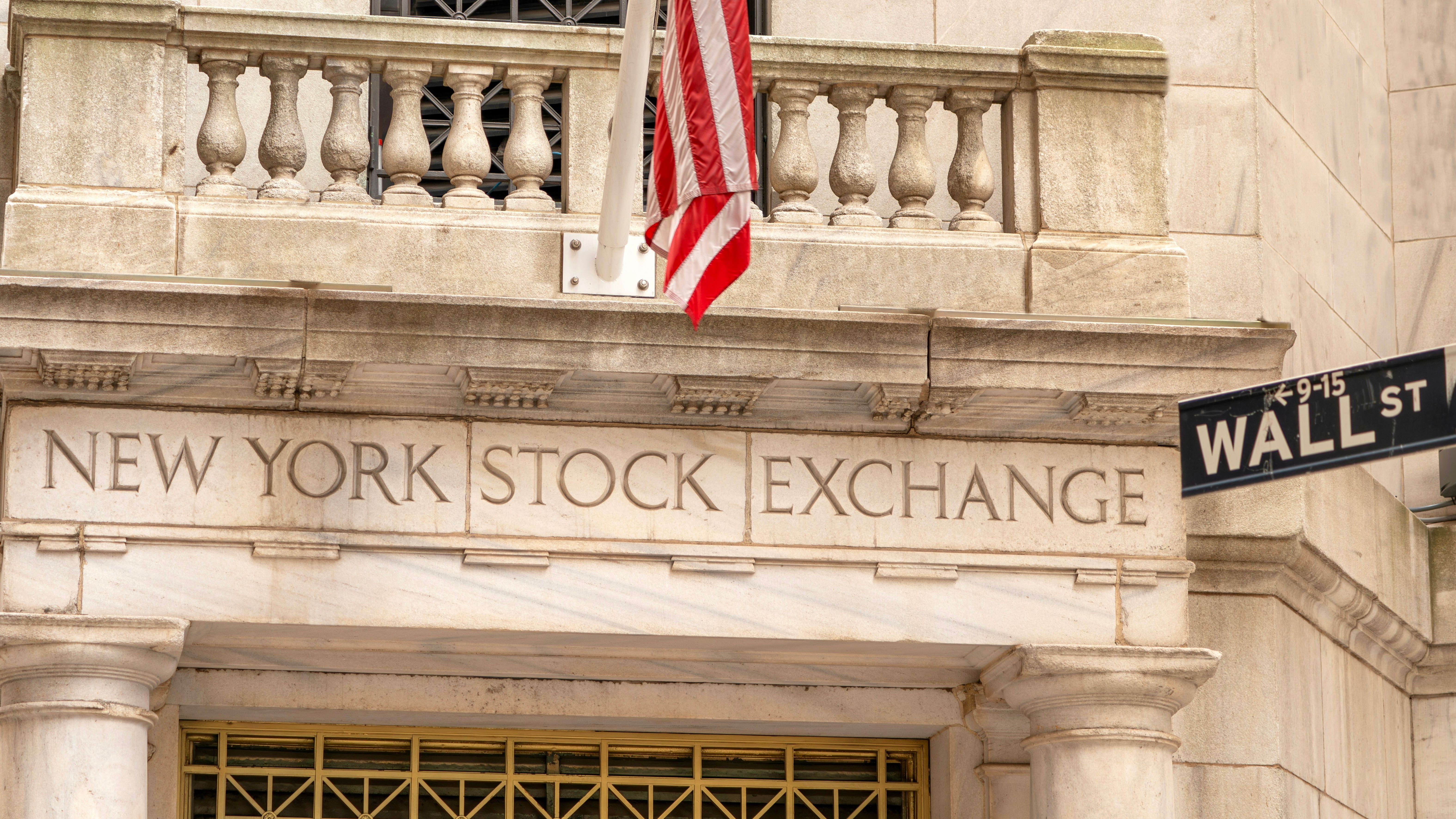
In March 2026, the New York Stock Exchange announced that it would use the Avalanche blockchain as the core settlement ledger for its upcoming tokenized stock market. Avalanche’s high‑throughput architecture and low transaction costs make it a practical choice for handling the large volume of trades expected on a major exchange.
This move shows how a traditional financial institution can adopt a public‑layer blockchain to underpin the settlement of digital securities, bridging the gap between legacy markets and the emerging crypto ecosystem.
What this means for you
If you are interested in earning through buying and selling tokenized stocks, blockchain settlement can provide faster access to your positions and potentially lower fees compared to conventional brokerages. Instant settlement also means you can reinvest or withdraw funds more quickly, which is valuable for strategies that rely on rapid capital turnover.
However, tokenized stocks are still subject to the same market risks as their traditional counterparts. Price volatility, company performance, and broader market conditions affect token values just as they do regular shares.
How to evaluate a tokenized stock platform
- Check the custodial arrangement: Ensure a reputable, regulated custodian backs each token on a one‑to‑one basis.
- Verify the blockchain’s security and performance: Look for proven consensus mechanisms and a track record of low downtime.
- Understand the fee structure: Compare transaction, custody, and settlement fees against traditional brokerage costs.
- Review regulatory compliance: The platform should be registered with relevant securities authorities and follow AML/KYC rules.
- Assess liquidity: Ensure there is a healthy market of buyers and sellers so you can enter and exit positions without large price slippage.
FAQ
Are tokenized stocks the same as regular shares?
Economically they are equivalent, as each token is backed by an actual share. However, the ownership record lives on a blockchain, which changes how trades are settled and recorded.
Do I need a crypto wallet to hold tokenized stocks?
Yes, you will need a compatible wallet that can store the specific blockchain’s tokens. Some platforms provide custodial wallets, which simplify the process for beginners.
What risks are unique to tokenized stocks?
Beyond market risk, you face smart contract risk (bugs in the code), custodial risk (if the custodian fails to hold the underlying shares), and regulatory risk if authorities change how digital securities are treated.
Can I earn passive income from tokenized stocks?
If the underlying company pays dividends, those payments are typically passed through to token holders, allowing you to receive dividend income just like with traditional shares.
This article references reporting from coindesk.com.





