
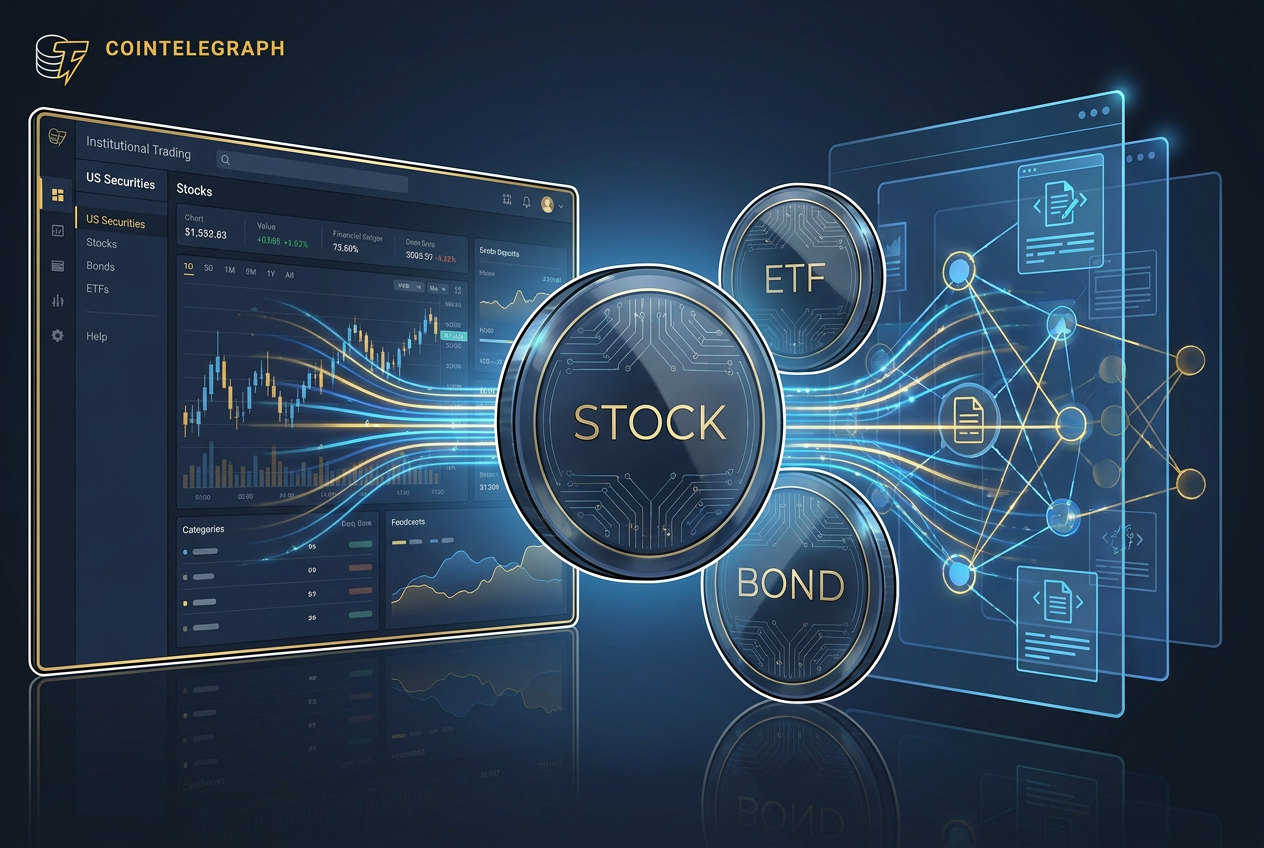
Ever wondered if you can hold a share of Apple or a bond in a crypto wallet? This article explains what tokenized stocks are, how they function, and what you should consider before adding them to your portfolio.
What tokenized securities are
Tokenized securities are digital tokens that represent ownership of traditional financial assets such as stocks, exchange‑traded funds (ETFs) or bonds. Each token is recorded on a blockchain, giving it a unique identifier and an immutable transaction history. The token does not create a new share; it mirrors an existing share that is held in a custodial system like the Depository Trust Company (DTC). Because the underlying ownership remains with the original issuer, holders of the token retain the same rights as conventional shareholders—dividends, voting power, and the ability to transfer the asset.
The blockchain layer adds two main features:
- Self‑custody: Investors can store the token in a wallet they control, rather than relying on a brokerage’s account.
- 24/7 on‑chain transferability: Tokens can be moved instantly between wallets, enabling peer‑to‑peer trading outside market hours.
It is important to distinguish tokenized securities from “wrapped” securities. Wrapped tokens are synthetic representations that do not confer actual ownership rights; tokenized securities, by contrast, are backed by a real share recorded in the traditional clearing system.
Real‑world illustration
In November 2026, Kimber Digital Securities, an affiliate of the Plume blockchain network, announced that it had registered as a broker‑dealer with the U.S. Securities and Exchange Commission and joined the Financial Industry Regulatory Authority. Kimber said it intends to offer tokenized U.S. stocks, ETFs and bonds that investors can hold in self‑custodial wallets while preserving dividend and voting rights. The company also plans to provide yield‑bearing products for stablecoin users, linking tokenized shares to funds managed by major U.S. asset managers. Although no launch date was given, Kimber’s registration signals that regulated entities are preparing to bridge traditional equities with on‑chain ownership.
What this means for you
If you are looking for a way to earn passive income from dividends or interest while keeping your assets in a crypto‑friendly environment, tokenized securities could be an option. They allow you to:
- Earn dividends directly into a wallet that also holds other crypto assets.
- Participate in voting on corporate matters without leaving the blockchain interface.
- Trade or transfer holdings at any hour, potentially taking advantage of price movements outside regular market sessions.
However, the benefits come with new considerations. Because the tokens reside on a blockchain, you are responsible for securing the private keys that control your wallet. Loss of a key means loss of the underlying share. Additionally, while the tokens are backed by real securities, the on‑chain market may be less liquid than traditional exchanges, affecting how quickly you can sell.
What to check before you invest
- Regulatory status: Verify that the platform is registered as a broker‑dealer or otherwise authorized by the relevant securities regulator.
- Custody model: Confirm that the token represents an actual share held in the DTC or a similar clearing house, not a synthetic claim.
- Rights mapping: Understand how dividends, voting, and corporate actions are delivered to token holders.
- Smart‑contract security: Review audits of the token’s smart contract to ensure there are no vulnerabilities that could affect ownership.
- Liquidity sources: Check whether the platform offers a secondary market or integrates with existing exchanges for token trading.
FAQ
Do tokenized stocks pay the same dividends as regular shares?
Yes, if the token is structured to mirror an actual share held in the DTC, dividend payments are passed through to token holders, usually in the form of the same cryptocurrency used on the platform.
Can I vote on corporate matters with a tokenized share?
When the token’s rights are mapped to the underlying share, voting rights are preserved. Platforms typically provide a voting interface or forward your vote to the broker‑dealer handling the share.
What happens if the blockchain project behind the token fails?
The token’s value depends on both the underlying security and the blockchain’s functionality. If the blockchain becomes unusable, you may lose the ability to transfer or trade the token, even though the underlying share still exists.
Is there extra risk compared to buying the stock on a traditional brokerage?
Tokenized securities add custodial risk (managing private keys) and smart‑contract risk (code bugs). They also may have lower liquidity. These factors should be weighed alongside the benefits of on‑chain access.
This article references reporting from cointelegraph.com.





