Are you wondering how government rules shape the profitability of crypto investments? This article explains the basics of U.S. cryptocurrency regulation, how it works, and what it means for anyone trying to earn passive income online.
What U.S. Crypto Regulation Is and How It Works
In the United States, several agencies have overlapping authority over digital assets. The primary regulators are the Securities and Exchange Commission (SEC), which oversees securities; the Commodity Futures Trading Commission (CFTC), which governs commodities and derivatives; and the Financial Crimes Enforcement Network (FinCEN), which handles anti‑money‑laundering rules.
A “digital asset” can be classified as a security, a commodity, a currency, or something else, depending on its characteristics. If a token is deemed a security, the SEC requires registration or an exemption before it can be offered to the public. If it is a commodity, the CFTC can regulate futures and swaps based on that asset. FinCEN focuses on the entities that facilitate transactions, requiring them to implement know‑your‑customer (KYC) and reporting procedures.
The regulatory landscape is constantly evolving. Congress can pass legislation that clarifies which agency has jurisdiction over specific types of tokens. Such bills aim to reduce uncertainty for businesses and investors, but they can also create short‑term market volatility as participants adjust to new rules.
Real‑World Example: The CLARITY Act Attempt
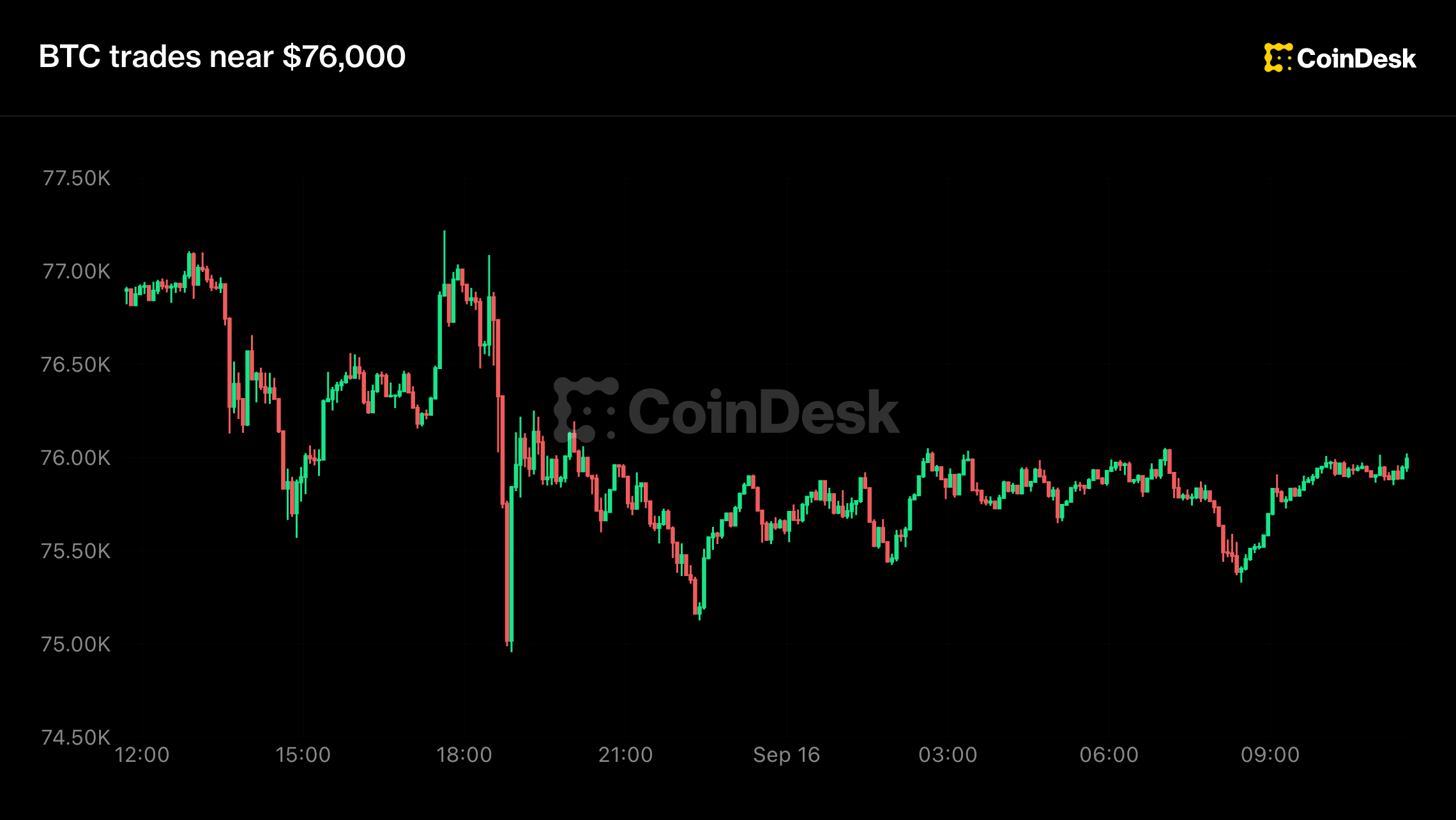
In March 2026, the U.S. Senate failed to pass the CLARITY Act, a bill intended to assign clear regulatory authority for digital assets. The act would have specified which agency—SEC, CFTC, or another—should oversee each type of crypto product. The vote’s failure coincided with a brief dip in Bitcoin’s price, which fell below $75,000 before stabilising just under $76,000. Analysts noted that the market’s reaction was more about the uncertainty surrounding the bill than about any fundamental change in Bitcoin’s value.
What This Means for You
Regulatory uncertainty can affect earnings in three main ways:
- Yield volatility. When lawmakers discuss new rules, token prices can swing, influencing the returns on staking, lending, or mining.
- Access to services. Exchanges and platforms may suspend or limit certain products until they are sure they comply with the law, reducing the number of earning opportunities available.
- Tax and reporting obligations. New regulations often bring stricter reporting requirements, meaning you may need to track earnings more carefully to stay compliant.
Understanding the regulatory environment helps you anticipate these shifts and choose strategies that are less sensitive to short‑term policy news.
How to Evaluate a Platform’s Regulatory Standing
Before committing funds, consider the following checks:
- Licensing and registration. Verify whether the platform is registered with the SEC, CFTC, or state financial regulators. Look for public filings or “registered broker‑dealer” status.
- KYC/AML policies. Reputable services will have clear procedures for identity verification and will publish their compliance approach.
- Legal disclosures. Read the terms of service and any risk disclosures. Platforms that are transparent about regulatory risk are generally more trustworthy.
- Jurisdiction of operations. Some services operate from jurisdictions with lighter regulation. Assess whether that aligns with your risk tolerance and legal obligations.
FAQ
Will a new law automatically make my crypto holdings lose value?
No. Legislation can cause short‑term price moves as markets react, but the underlying utility of most tokens remains unchanged. Long‑term value depends on adoption, technology, and broader economic factors.
Do I need to report earnings from staking or mining?
Yes. In the United States, crypto earnings are treated as taxable income. Staking rewards are generally ordinary income at the time you receive them, while mined coins are taxed as self‑employment income.
How can I protect my earnings from regulatory shocks?
Diversify across different assets and earning methods (e.g., staking, lending, mining) and keep a portion of your portfolio in assets that are less likely to be re‑classified as securities. Staying informed about legislative developments also helps you react quickly.
Is it safer to use a U.S.-based exchange?
U.S.-based exchanges must comply with domestic regulations, which can provide an extra layer of consumer protection. However, they may also impose stricter KYC and reporting requirements. Choose a platform that balances compliance with the features you need.
This article references reporting from coindesk.com.