Are you trying to earn money through crypto but feel confused by the ever‑changing rules? This article breaks down the basics of U.S. securities regulation for digital assets, explains how the SEC approaches crypto, and shows you what to watch when you’re looking for safe, compliant ways to earn online.
What the U.S. Securities Regulator Does
The U.S. Securities and Exchange Commission (SEC) is the federal agency tasked with protecting investors, maintaining fair markets, and facilitating capital formation. Its core authority comes from the Securities Act of 1933 and the Securities Exchange Act of 1934, which require that any offer or sale of a security be registered or qualify for an exemption.
A security is a financial instrument that represents an investment in a common enterprise with an expectation of profit derived from the efforts of others. The Supreme Court’s Howey Test is used to decide whether a digital asset falls under this definition. If a token meets the test, the SEC can require registration, disclosure, and compliance with ongoing reporting rules.
The SEC’s Crypto Task Force—created in 2022—focuses on how existing securities laws apply to blockchain projects, decentralized finance (DeFi) protocols, and tokenized assets. The task force issues guidance, reviews enforcement actions, and works with other regulators to shape policy.
How the SEC Enforces Crypto Rules
Enforcement can take two main forms: regulation by enforcement and rulemaking. Regulation by enforcement means the SEC brings lawsuits or administrative actions against projects it believes violate the law, often before formal rules exist. Rulemaking involves drafting and adopting new regulations that provide clearer expectations for market participants.
In recent years the agency has shifted toward more guidance and less aggressive enforcement, a trend highlighted by the leadership of Chairman Paul Atkins. This approach aims to give developers and investors clearer “rules‑based” expectations, reducing the risk of surprise lawsuits.
Real‑World Illustration
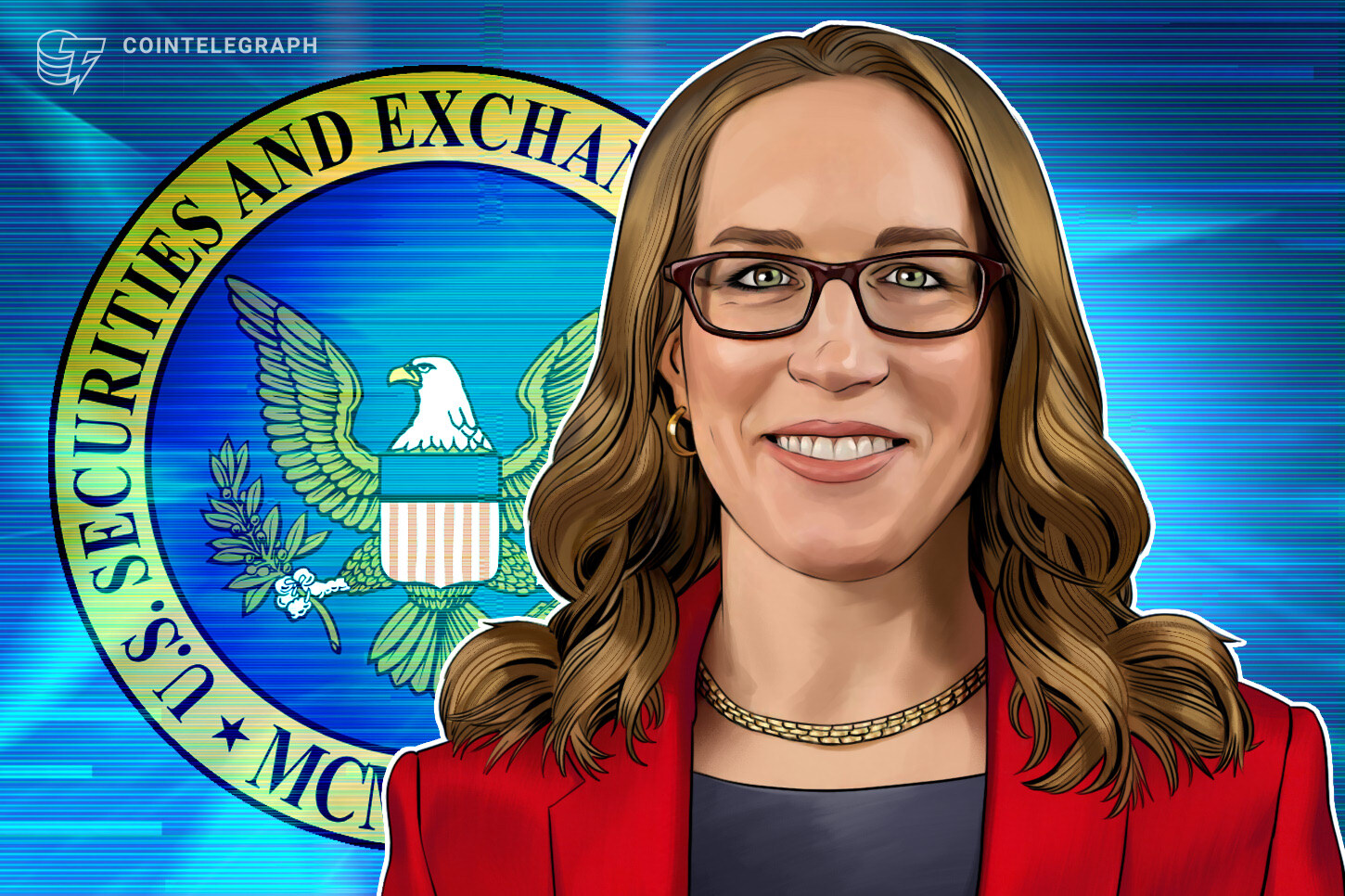
In September 2026, SEC Commissioner Hester Peirce—known as “Crypto Mom” for her advocacy of clear, rules‑based regulation—announced her resignation effective Oct. 2. During her eight‑year tenure, Peirce led the Crypto Task Force and repeatedly called for simpler disclosure rules and for developers of open‑source code to be exempt from securities liability. Her departure underscores how individual commissioners can shape the agency’s tone and priorities, and it signals that the SEC’s current “regulation by enforcement” shift may continue under the remaining leadership.
What This Means for You
If you want to earn passive income through staking, yield farming, or cloud mining, you need to consider whether the tokens you interact with are likely to be classified as securities. Projects that promise profits primarily from the efforts of a central team (e.g., a token that pays a fixed return funded by the issuer) are higher‑risk from a regulatory standpoint.
When a project is deemed a security, it must comply with registration or qualify for an exemption. Non‑compliant offerings can be shut down, and participants may face legal exposure. Conversely, projects that function as utility tokens—granting access to a service rather than a profit share—are less likely to trigger securities rules, though the line can be blurry.
How to Evaluate a Crypto Earning Opportunity
- Check the token’s purpose. Is it primarily a means of accessing a product, or does it promise profit from the issuer’s work?
- Look for disclosures. Legitimate projects will publish a clear whitepaper, tokenomics, and, if applicable, a Form S‑1 or other SEC filing.
- Assess the team’s regulatory stance. Projects that voluntarily register or seek legal opinions on securities status show a lower risk of sudden enforcement.
- Monitor SEC communications. Guidance from the Crypto Task Force, speeches by commissioners, and official releases give clues about the agency’s current focus.
- Consider jurisdiction. Even if a project is based overseas, U.S. investors may still be subject to SEC rules if the offering is directed at U.S. persons.
FAQ
Is every crypto token a security?
No. Only tokens that meet the Howey Test—where investors expect profits from the efforts of a third party—are treated as securities. Utility tokens that simply grant access to a platform generally do not fall under securities law.
Can I earn from a token that the SEC later classifies as a security?
If a token is re‑classified, the project may need to register or halt the offering. Participants could face restrictions on trading or be required to unwind positions, so it’s important to stay informed about regulatory updates.
Do open‑source developers face securities liability?
The SEC has indicated, through statements by commissioners like Hester Peirce, that merely publishing open‑source code should not trigger securities liability. Liability typically arises when a developer actively markets or sells a token that is a security.
What should I do if I’m unsure about a project’s regulatory status?
Seek independent legal advice, review any available SEC filings, and prioritize projects that are transparent about compliance. Avoid projects that lack clear documentation or that promise unusually high returns without explaining how those returns are generated.
This article references reporting from cointelegraph.com.