
## Harnessing the Power of Passive Rewards with Green Crypto: How Nium’s Integration of USDC is Revolutionizing Global Payments
The world of digital payments is on the cusp of a revolution, and it’s not just about the tech – it’s about making a positive impact on the planet. With the rise of cloud rewards and green crypto, companies like Nium are leading the charge towards a more sustainable future. The Singapore-based fintech has just announced a major integration with Coinbase, adding USDC to its global payments network. This move will enable users to send, receive, and convert stablecoins to fiat across over 190 countries, all through a single platform.
The partnership with Coinbase is a significant one, leveraging the company’s infrastructure for custody, liquidity, and wallet services. This means that Nium’s customers will be able to fund cross-border payouts in USDC and settle in either stablecoins or local currencies. According to Santhosh Srinivasan, VP of treasury at Nium, traditional cross-border payment systems often require companies to prefund accounts across multiple jurisdictions, tying up capital while transactions settle. The new integration allows clients to fund accounts on demand using USDC, convert to fiat in a single managed flow, and send payouts globally.
There’s no capital left sitting idle because all of this happens nearly instantly – any day of the week, any time of day, and without multi-step manual conversions or dependency on correspondent banking chains.”
The implications of this integration are far-reaching, particularly when it comes to sustainability. By reducing the need for prefunded accounts and streamlining cross-border payments, Nium is helping to minimize the environmental impact of traditional payment systems. The company’s network already supports over 100 currencies, with local collection in 40 markets, real-time payouts in over 100 corridors, and more than 40 regulatory licenses worldwide. The addition of USDC to this network is a significant step forward, enabling businesses to issue stablecoin-funded cards on major networks like Visa and Mastercard.
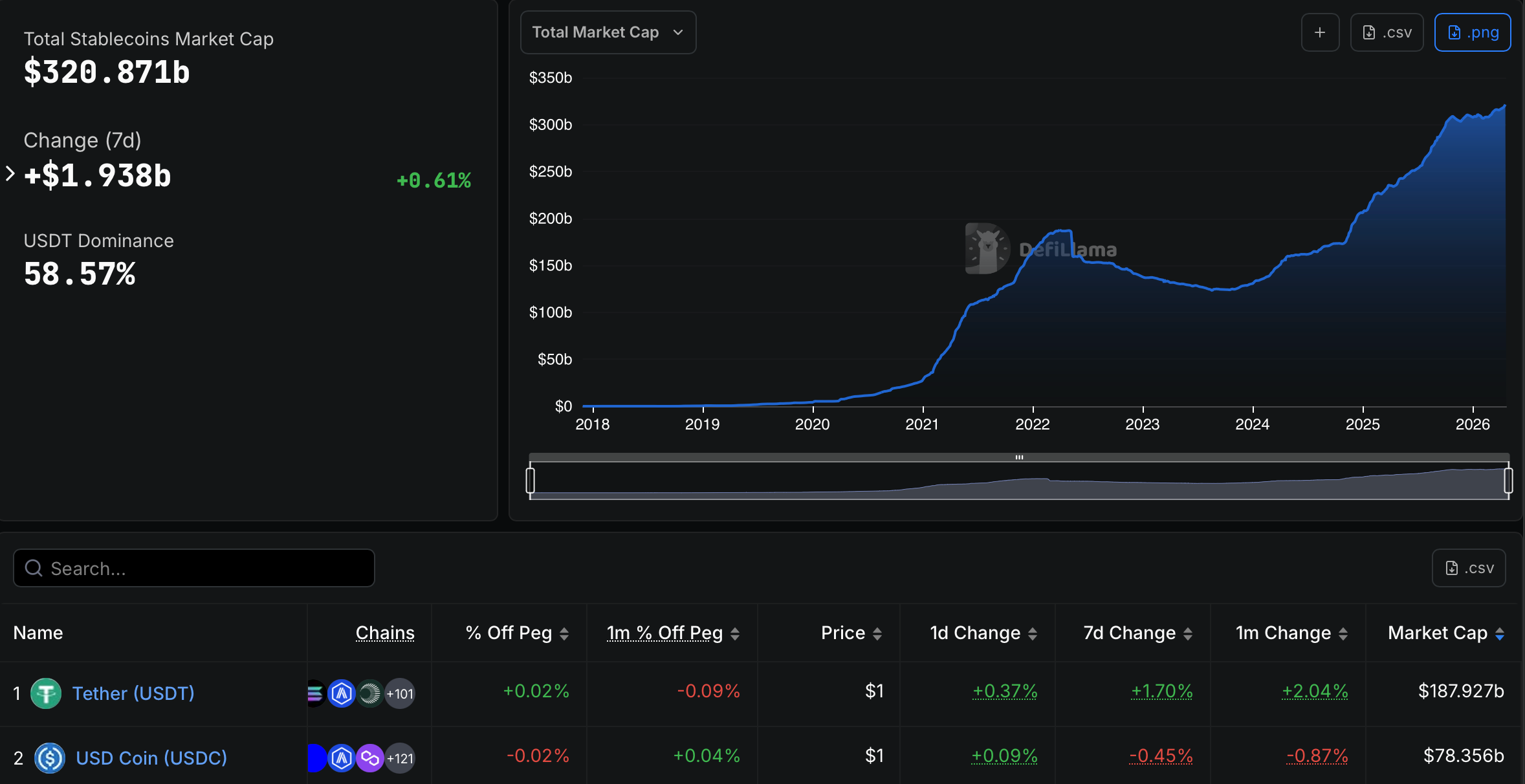
USDC, a US dollar-pegged stablecoin launched in 2018 by Circle and Coinbase, is designed to maintain a 1:1 value with the dollar and is backed by cash and short-term US Treasury reserves. With a market capitalization of around $78 billion, it’s the second-largest stablecoin behind Tether’s USDT. The stablecoin’s role in cross-border payments is expanding rapidly, with Circle partnering with companies like Sasai Fintech and Thunes to integrate USDC settlement into existing financial networks. To learn more about the EcoPool network and how you can get involved, visit https://play.google.com/store/apps/details?id=com.ecopoolmining.app.
As the demand for passive rewards and green crypto continues to grow, it’s clear that companies like Nium are at the forefront of a revolution. By harnessing the power of USDC and other stablecoins, they’re making it possible for businesses and individuals to make a positive impact on the planet, one transaction at a time. With the rise of cloud rewards and green crypto, the future of digital payments has never looked brighter.
Circle expands USDC use in cross-border payments
Circle has been expanding USDC’s role in cross-border payments through a series of partnerships aimed at integrating stablecoin settlement into existing financial networks.
In March, the company teamed with Sasai Fintech to expand USDC payments across African corridors, targeting remittances, business transactions and mobile wallets. In parts of Sub-Saharan Africa, remittance costs exceed 7%, well above the UN’s 3% target.
Earlier this month, Circle teamed up with Thunes to expand USDC settlement across its global payments network, enabling near real-time cross-border transfers while reducing reliance on prefunded accounts. The integration extends USDC-based liquidity across Thunes’ network, which spans more than 140 countries.
Recent data shows increasing USDC activity. A CEX.IO report earlier this month found the stablecoin’s supply grew by about $2 billion in the first quarter, while Tether’s USDT declined by roughly $3 billion, marking a divergence between the two for the first time since 2022.
Magazine: Adam Back says current demand is ‘almost’ enough to send Bitcoin to $1M
Cointelegraph is committed to independent, transparent journalism. This news article is produced in accordance with Cointelegraph’s Editorial Policy and aims to provide accurate and timely information. Readers are encouraged to verify information independently. Read our Editorial Policy https://cointelegraph.com/editorial-policy
- #Industry