Written by Ezra Reguerrastaff writerReviewed by Yohan Yunstaff editor
Written by Ezra Reguerrastaff writer
Reviewed by Yohan Yunstaff editor
StarkWare tests quantum-resistant Bitcoin transaction on mainnet
Latest NewsPublishedAug 27, 2026
StarkWare stated the experimental transaction demonstrated quantum-resistant Bitcoin spending without a fork, but it cost up to $200 and required direct miner submission.
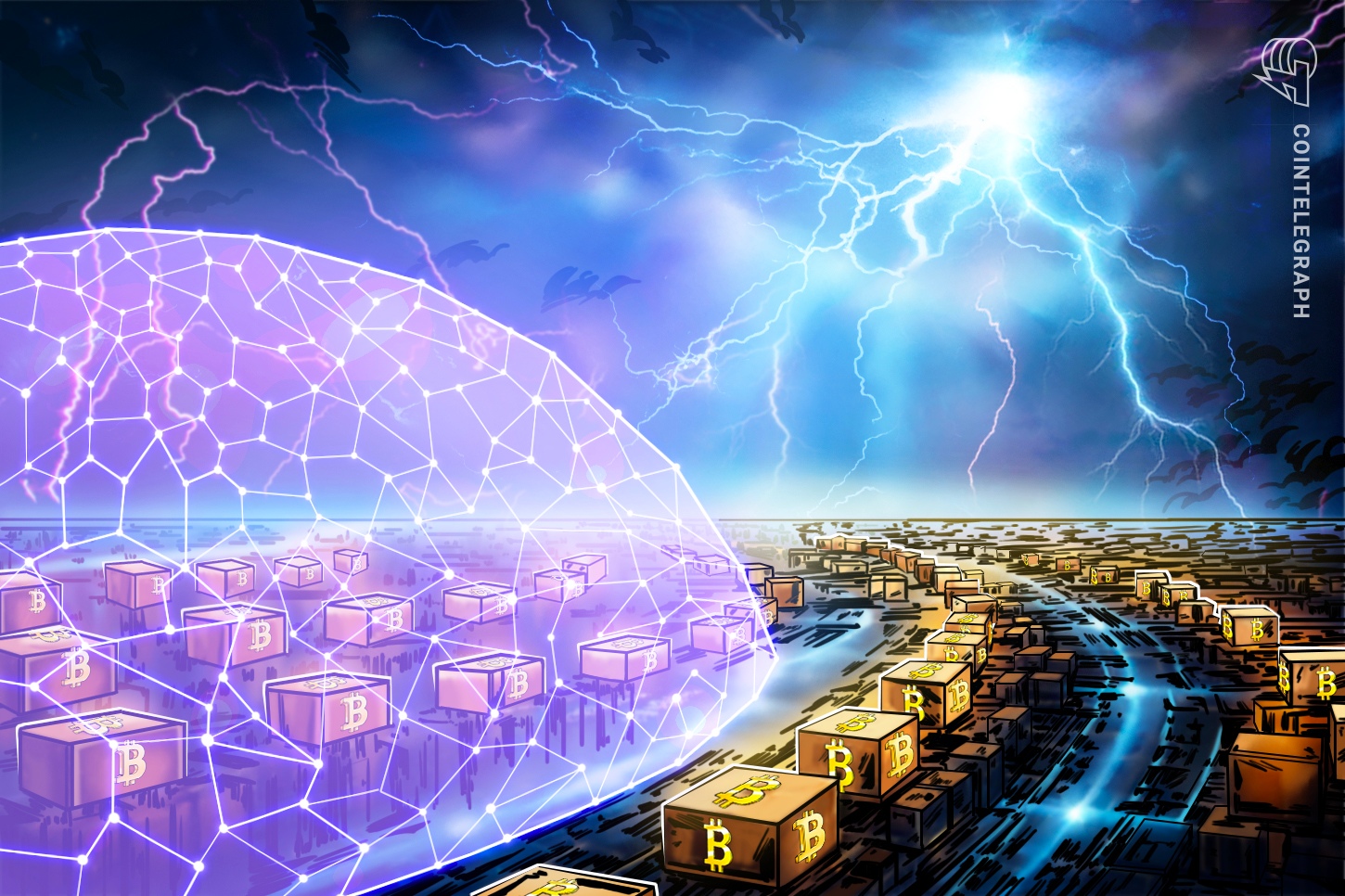
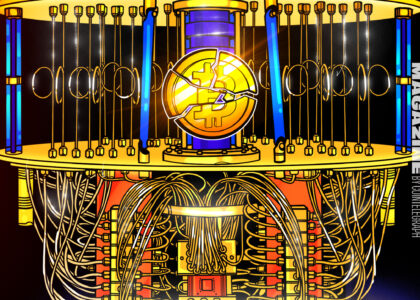
StarkWare researcher Avihu Levy has tested an experimental quantum-resistant transaction on the Bitcoin mainnet, in what the company described as the first transaction of its kind.
as reported by StarkWare, the transaction was verified Wednesday in Bitcoin block 964,199. Onchain data shows that it spent a 10,000-satoshi output protected by Levy’s Quantum Safe Bitcoin (QSB) scheme, with MARA Pool mining the block after receiving the transaction through its Slipstream service.
Levy’s paper and code repository stated QSB combines hash-based one-time signatures with computational searches that bind an authorization to a specific transaction. The construction is intended to prevent forgery even if a quantum computer breaks the elliptic-curve cryptography Bitcoin uses.
The test moves Levy’s April proposal from theory to an onchain demonstration, showing that Bitcoin’s existing consensus rules can accommodate one form of quantum-resistant spending without a protocol change.
Quantum-resistant Bitcoin method remains costly
In March, Google researchers estimated that a sufficiently capable quantum computer could theoretically derive a Bitcoin private key nine to 12 minutes after its public key becomes visible. Google stated that could allow an attacker to replace a pending transaction during Bitcoin’s confirmation window.
Levy then introduced QSB in April, estimating at the time that generating a transaction would require between $75 and $150 in GPU computation. He described it as a last-resort measure rather than a replacement for protocol-level protections.
StarkWare spokesperson Nathan Jeffay told Cointelegraph that the completed transaction cost “low hundreds of dollars,” estimating the expense at around $150 to $200. StarkWare’s release stated the process took hours of computation.
Related: Banks, regulators join quantum-resistant crypto transfer pilot
Levy’s repository also classifies QSB transactions as nonstandard under Bitcoin Core’s default relay policies. StarkWare stated ordinary nodes consequently would not propagate the transaction before confirmation, requiring it to be submitted directly through MARA’s Slipstream service.
QSB applies to individual Bitcoin transactions rather than upgrading cryptography across the network. “A soft fork should happen, and I believe it will,” StarkWare CEO Eli Ben-Sasson stated, adding that QSB provides a safety net while protocol-level protections are developed.
Bitcoin developers are separately considering proposals including BIP-360, a proposed soft fork that would introduce a Pay-to-Merkle-Root output type while removing Taproot’s quantum-vulnerable key-path spend.
Magazine: Supply absorption ‘key question’ as Bitcoin fails to reclaim $80K: Analysis


Subscribe to daily byte-sized crypto news from Cointelegraph
Subscribe
Cointelegraph is committed to independent, transparent journalism. This news article is produced in accordance with Cointelegraph’s Editorial Policy and aims to provide accurate and timely information. Readers are encouraged to verify information independently.
- Quantum Computing
- Technology
- Cryptography
- Bitcoin
More on the subject
SHRINCS BIP published: Quantum-secure Bitcoin comes with a catch
3 hours ago
Andrew Fenton

Better launches Bitcoin-backed mortgages powered by Coinbase
8 hours ago
Nate Kostar
Bitcoin dips below $78K as stocks, gold fall on higher US PCE Inflation data
12 hours ago
William Suberg
SHRINCS BIP published: Quantum-secure Bitcoin comes with a catch
3 hours ago
Andrew Fenton
Better launches Bitcoin-backed mortgages powered by Coinbase
8 hours ago
Nate Kostar
Bitcoin dips below $78K as stocks, gold fall on higher US PCE Inflation data
12 hours ago
William Suberg