Are you trying to earn crypto through staking, mining, or DeFi but feel confused by the shifting regulatory landscape? This article explains how the United States divides oversight of digital assets between its two main financial regulators and what that structure means for everyday earners.
What the regulatory split actually is
The U.S. financial system is overseen by several agencies, but two play the dominant role in crypto: the Securities and Exchange Commission (SEC) and the Commodity Futures Trading Commission (CFTC). The SEC’s mandate is to protect investors and maintain fair, orderly markets for securities—traditionally stocks and bonds. The CFTC, on the other hand, regulates commodity futures, options and derivatives, aiming to prevent fraud and market manipulation in those markets.
When a digital asset is classified as a security, the SEC takes the lead. This means the project must register its token offering, provide detailed disclosures, and follow strict reporting rules. If an asset is deemed a commodity—for example, Bitcoin, which the CFTC has called a commodity—then the CFTC oversees futures contracts, swaps and other derivative products built on that asset.
Because many crypto projects blur the line between securities and commodities, the two agencies sometimes step on each other’s toes. The result is a patchwork of guidance, enforcement actions, and proposed legislation that can change the rules for earning crypto overnight.
Real‑world illustration: the CLARITY Act debate
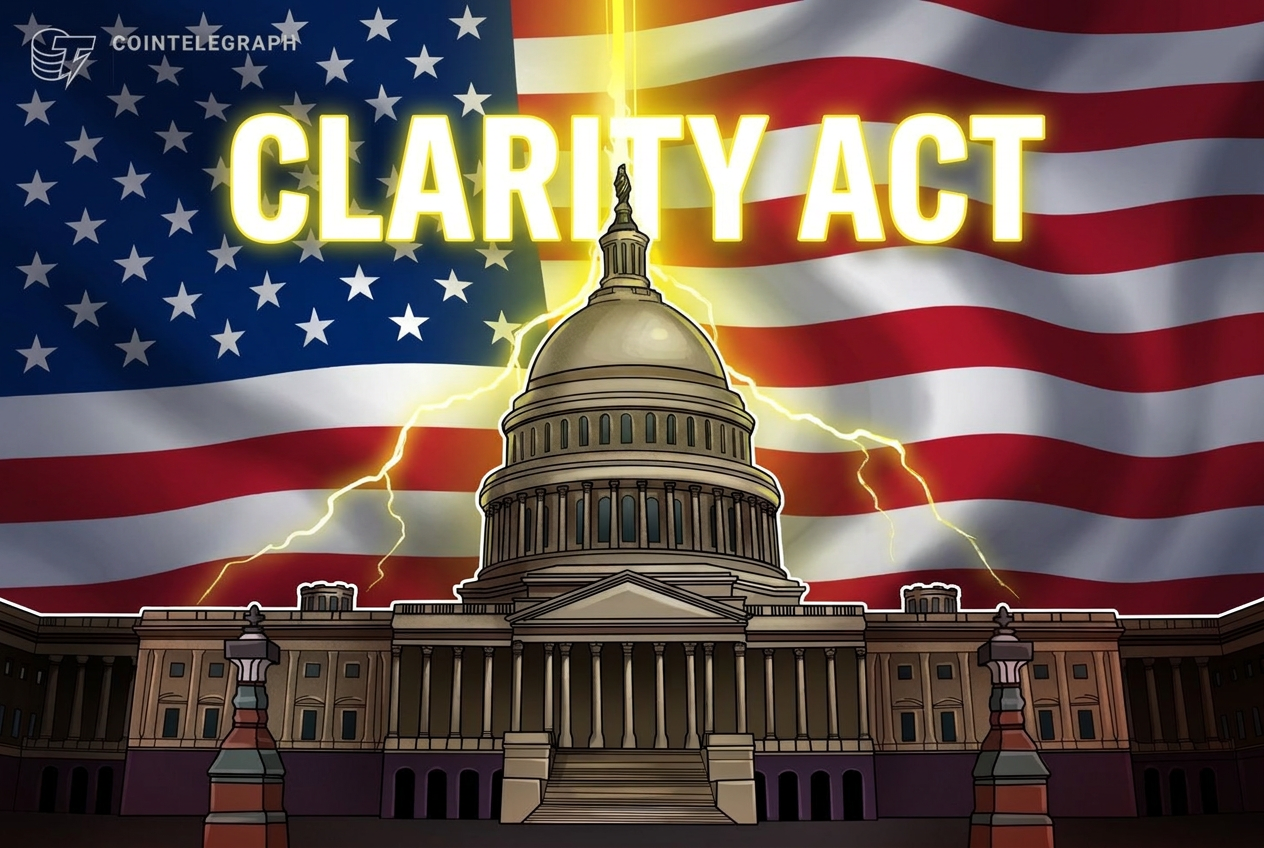
In September 2026, U.S. senators debated the “CLARITY Act,” a bill that would formally split oversight of the crypto market between the SEC and the CFTC. The proposal sparked a heated back‑and‑forth: Republican leaders offered a “final” version with expanded ethics provisions, while key Democrats argued it left loopholes for stablecoin rewards that function like bank interest and ignored tribal gaming concerns. The odds of the bill passing fell to 16 % on a prediction market after Senate Democrats signaled they would submit a counter‑proposal.
This episode shows how legislative attempts to clarify the regulatory split can stall, leaving the existing, ambiguous framework in place for months or years. For earners, the uncertainty can affect everything from the legality of a staking pool to the tax treatment of reward tokens.
What it means for you
When you earn crypto—whether through a mining pool, a cloud‑mining service, staking on a decentralized finance (DeFi) platform, or a stablecoin interest account—your activity may fall under SEC, CFTC, or both jurisdictions. If a platform’s token is deemed a security, the SEC could require the platform to register as a broker‑dealer or exchange, which may limit access for U.S. users or impose stricter KYC (know‑your‑customer) checks. If the activity involves derivatives, such as futures contracts on a stablecoin, the CFTC could enforce registration as a futures commission merchant.
Regulatory uncertainty can also affect the stability of reward mechanisms. For example, a “stablecoin reward” that pays a fixed interest rate might be treated as a deposit‑like instrument, triggering banking‑related oversight. If regulators deem such rewards illegal without a banking license, platforms could suspend or alter those programs, directly impacting your passive income.
What to check before you start earning
- Token classification: Look for public statements from the SEC or CFTC about the token you plan to earn. If the token is listed on a regulator’s “unregistered security” watchlist, proceed with caution.
- Platform registration: Verify whether the platform is registered with the SEC as a broker‑dealer or exchange, or with the CFTC as a futures commission merchant. This information is usually posted in the platform’s legal or compliance section.
- Reward structure: Understand how rewards are generated. If they resemble interest on a deposit, ask whether the platform holds a banking charter or is operating under a stablecoin “interest” exemption.
- Jurisdictional coverage: Some platforms operate offshore to avoid U.S. regulation. Using such services can expose you to additional legal and tax risks.
- Compliance updates: Follow reputable crypto‑law blogs or the official SEC and CFTC newsrooms for any changes that could affect your earnings.
FAQ
Is staking always considered a security?
Not necessarily. If the staked token grants holders a share of profits or voting rights, regulators may view it as a security. Purely network‑security staking—where you lock tokens to help validate transactions—often falls outside the SEC’s definition, but the line is still blurry.
Can I earn interest on stablecoins without a bank license?
Stablecoin interest programs can be treated as deposit‑like products. Some regulators view them as requiring a banking charter, while others see them as permissible under existing crypto rules. Always check the platform’s compliance statements and any relevant regulator guidance.
What happens if a platform is forced to stop its reward program?
If a regulator determines a reward mechanism violates securities or banking law, the platform may have to suspend or redesign the program. Your earned tokens could become frozen, and you might need to withdraw or convert them before any shutdown.
Do I need to report crypto earnings on my taxes?
Yes. In the United States, the IRS treats crypto as property. Any earned rewards—whether from staking, mining, or interest—are taxable events at the fair market value on the day you receive them. Failure to report can result in penalties.
This article references reporting from cointelegraph.com.