Ever wonder why the price of Bitcoin can differ between two popular exchanges at the same moment? This article explains what an exchange premium is, how it is calculated, and what a changing premium tells you about market sentiment, especially for traders looking to earn from price movements.
What an Exchange Premium Is and How It Works
An exchange premium measures the price gap between the same asset listed on two different platforms. For Bitcoin, the most common comparison is between Coinbase and Binance, the two largest exchanges serving distinct user bases. The premium is expressed as a decimal or percentage and is calculated by taking the price on Coinbase, subtracting the price on Binance, and then dividing by the Binance price:
Premium = (PriceCoinbase − PriceBinance) / PriceBinance
If the result is positive, Coinbase is trading at a higher price than Binance, indicating stronger buying pressure on Coinbase. A negative premium means the opposite: Binance users are willing to pay more, or Coinbase users are selling more aggressively.
Why does this happen? Each exchange has its own order book, liquidity pool, and user demographics. When a large number of traders place sell orders on one platform, the price on that platform can slip relative to the other. Conversely, a surge of buy orders can push the price up, creating a premium.
Why the Premium Matters for Earners
For anyone trying to earn passive income or capture short‑term price differences, the premium is a real‑time signal of where demand is strongest. A widening positive premium may suggest an opportunity to buy on the cheaper exchange and sell on the more expensive one, a strategy known as arbitrage. However, arbitrage is only viable when the price gap exceeds the combined transaction fees and withdrawal times.
Beyond arbitrage, the premium can act as a sentiment gauge. A persistent negative premium on a U.S.‑focused exchange like Coinbase often reflects domestic regulatory or macro‑economic concerns that are not affecting offshore platforms to the same degree. Recognizing these patterns helps you decide whether to hold, sell, or allocate more capital to a particular market.
Real‑World Illustration: September 2026 Coinbase Premium Drop
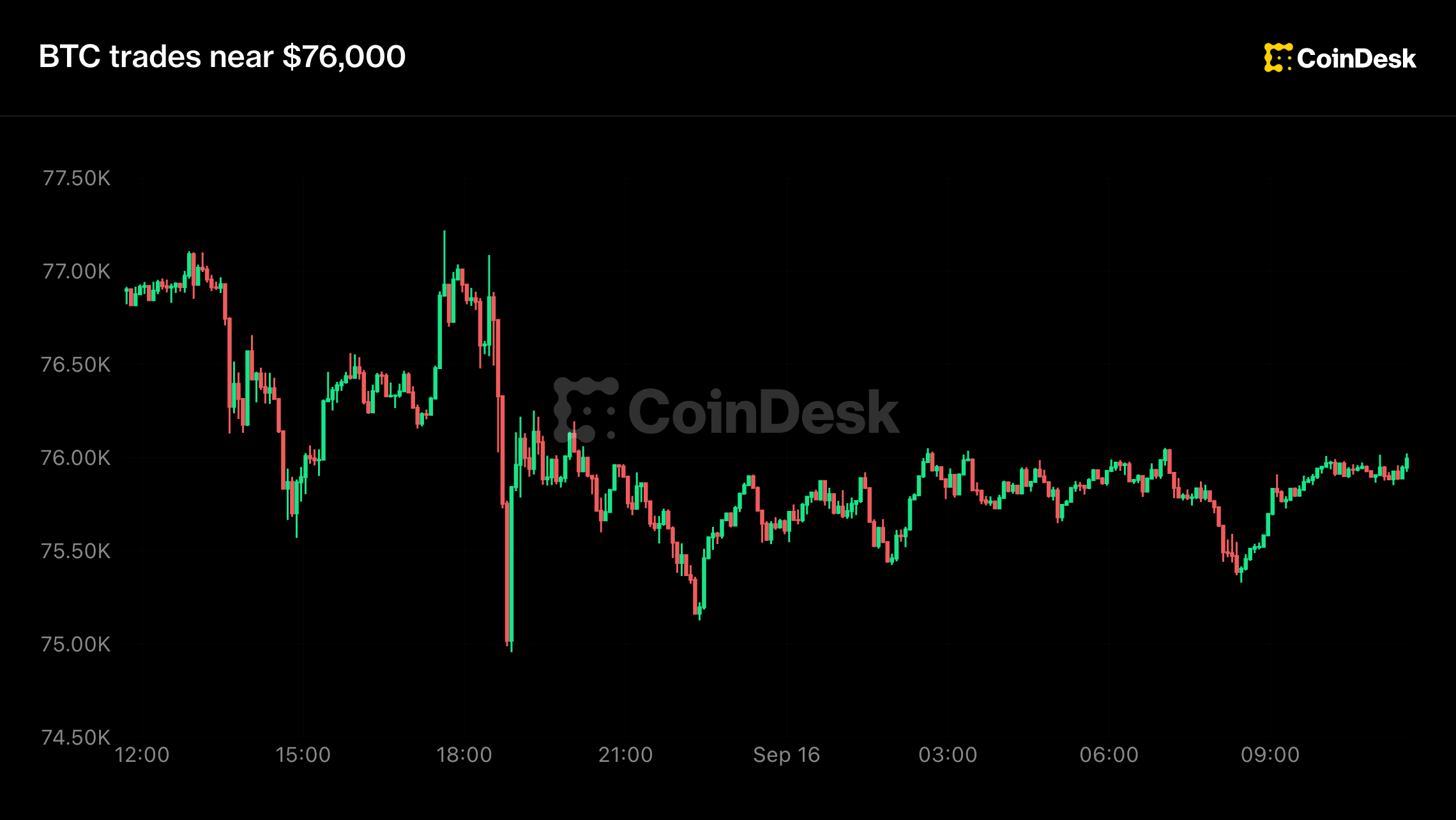
On September 16 2026, the U.S. Senate voted against the CLARITY Act, a piece of legislation that many hoped would provide clearer regulatory guidance for crypto. Following the vote, the CryptoQuant Coinbase Premium Index fell to –0.079, the lowest level since August 16 2026. A negative premium of –0.079 means Coinbase’s Bitcoin price was about 7.9 % lower than Binance’s price at that moment.
The drop coincided with a surge of short‑term holders (wallets that had held Bitcoin for less than six months) moving 34,000 BTC to exchanges, likely to sell at a loss. On‑chain analyst Willy Woo noted that while Binance continued to see net buying, Coinbase sellers remained firmly in control, creating a divergence that he described as “bullish” for the global market but “bearish” for U.S. demand.
This episode shows how a legislative outcome can instantly affect trader behavior on a specific exchange, and how the premium captures that shift in real time.
What It Means for You
If you are tracking Bitcoin for earning opportunities, a falling Coinbase premium signals reduced U.S. buying pressure. You might consider:
- Monitoring the premium for signs of reversal before committing new capital.
- Evaluating arbitrage possibilities only when the spread exceeds your total costs.
- Adjusting your exposure to U.S.‑based platforms if you anticipate further regulatory headwinds.
Conversely, a rising premium could indicate growing confidence among Coinbase users, perhaps due to positive news or improved market sentiment in the United States. In that case, allocating more funds to a U.S. exchange might align with the prevailing demand.
How to Judge the Health of an Exchange Premium
When you look at a premium chart, keep an eye on three concrete factors:
- Magnitude of the spread: Small differences (under 0.5 %) are often noise; larger gaps may reflect genuine demand shifts.
- Volume trends: Check on‑chain or exchange‑reported volume. High sell volume on the lower‑priced exchange confirms the premium’s direction.
- External catalysts: Regulatory announcements, major exchange outages, or macro‑economic data can cause abrupt premium moves. Correlate price gaps with news events to understand cause and effect.
FAQ
What causes a premium to turn negative?
A negative premium occurs when sellers dominate on the exchange being compared (e.g., Coinbase), pushing its price below that of the reference exchange (e.g., Binance). This can happen due to local regulatory concerns, large sell orders, or reduced liquidity.
Can I reliably profit from arbitrage between exchanges?
Arbitrage is possible but challenging. You must account for trading fees, withdrawal and deposit times, and the risk that the price gap narrows before you can complete the trade. It works best when the spread is significantly larger than total transaction costs.
Do premiums affect long‑term investors?
Long‑term holders often ignore short‑term premium fluctuations because their entry and exit points span months or years. However, persistent premium trends can hint at broader market sentiment, which may influence when they decide to add to or reduce positions.
Is the Coinbase premium the only metric I should watch?
No. It is one of several on‑chain and market indicators, such as cumulative volume delta (CVD), exchange inflow/outflow data, and on‑chain activity of short‑term holders. Using a combination of metrics provides a clearer picture of overall demand.
This article references reporting from cointelegraph.com.