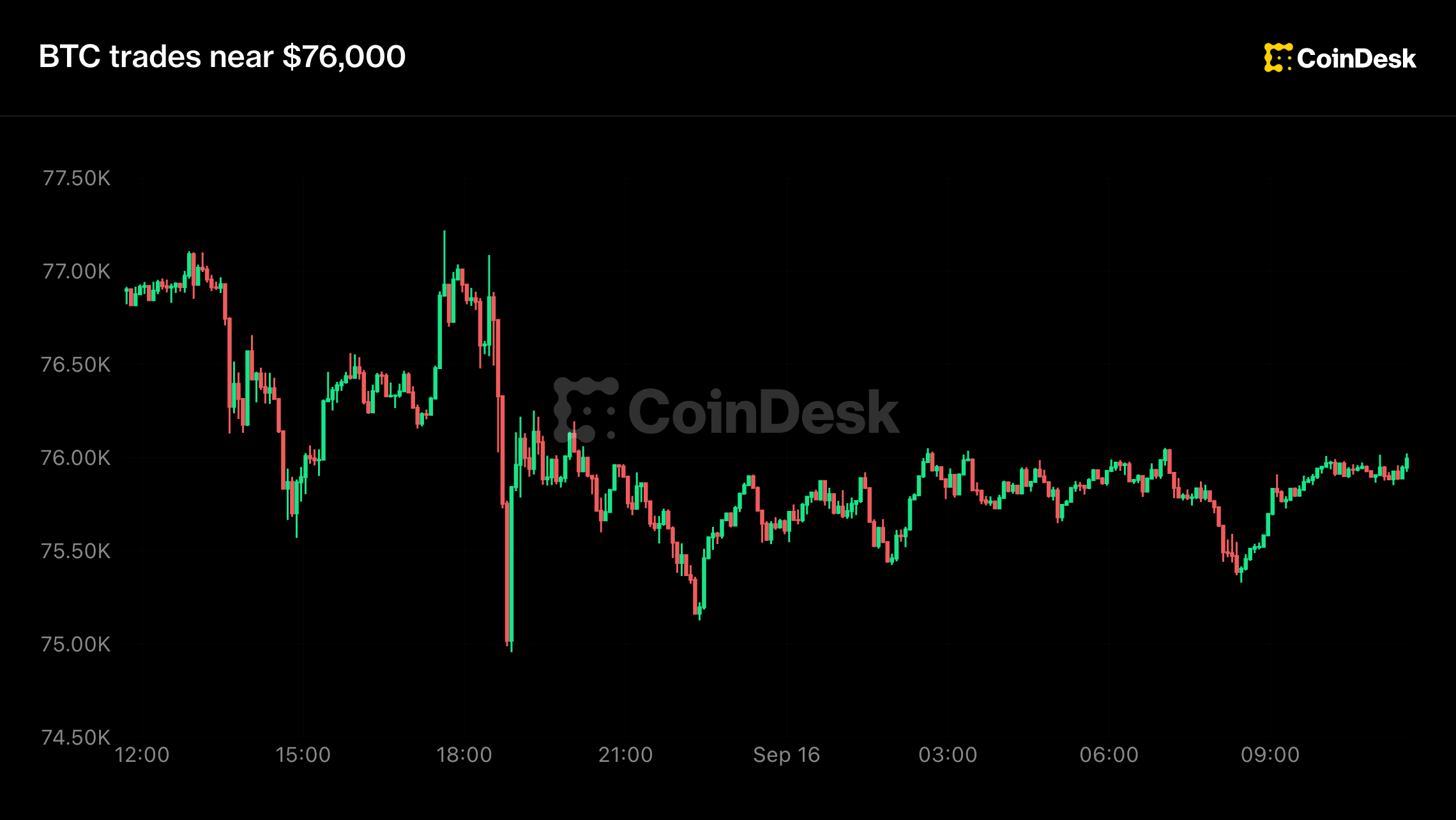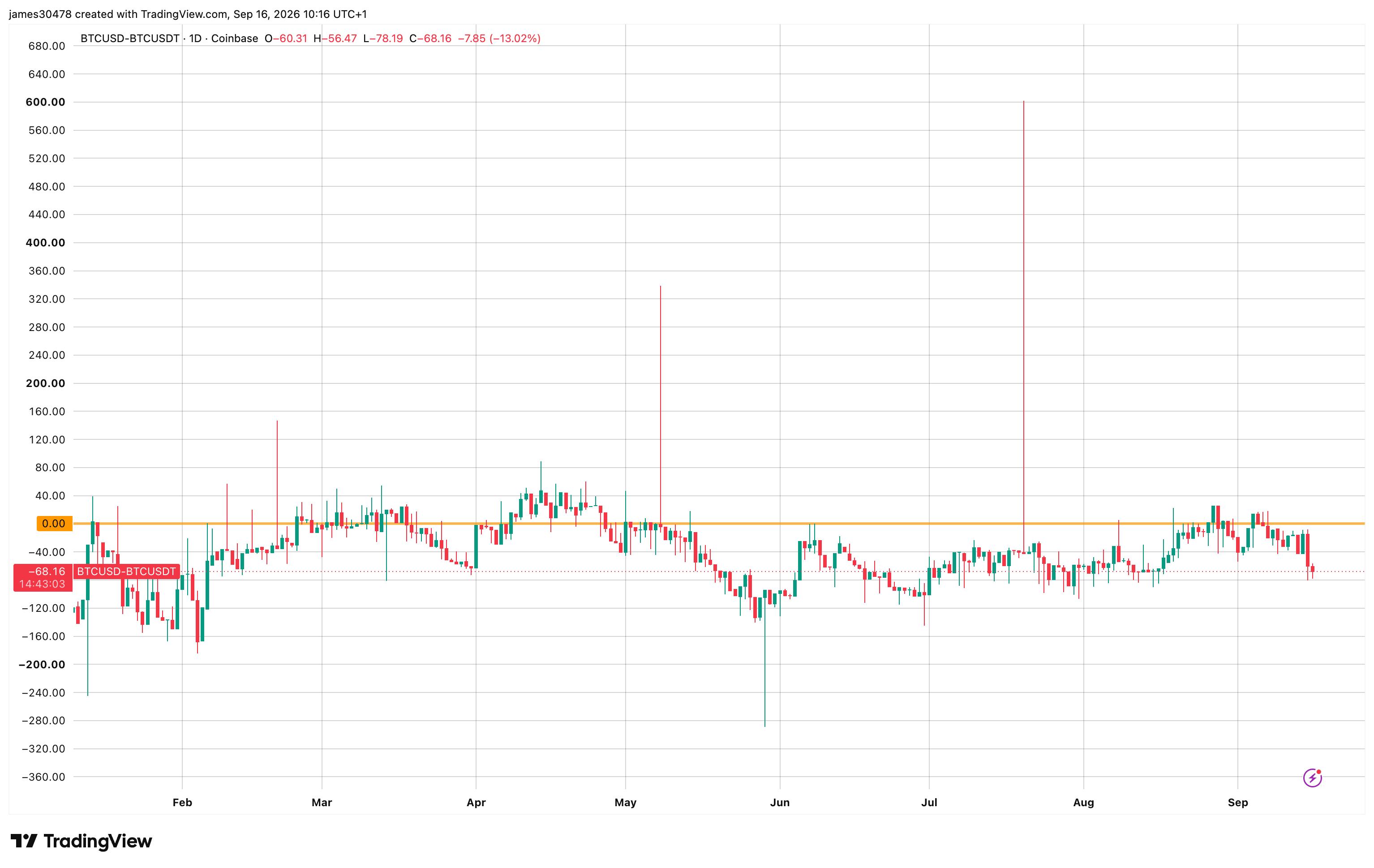
Ever wonder why the price of Bitcoin on Coinbase can be higher or lower than the price you see on other platforms? This article explains what the “Coinbase premium” is, why it fluctuates, and how you can account for it when you’re trying to earn or trade crypto online.
What the Coinbase premium actually is
The Coinbase premium is the difference between the price of Bitcoin (or any other cryptocurrency) on the Coinbase exchange and the price on the broader market, usually represented by an aggregate index such as the CoinDesk Bitcoin Price Index (BPI) or CryptoCompare’s average price. If Coinbase lists Bitcoin at $75,200 while the index shows $75,000, the premium is $200, or 0.27 %.
This spread can be either a premium (Coinbase price higher) or a discount (Coinbase price lower). It reflects the balance of supply and demand on Coinbase’s order books, the liquidity of the exchange, and the cost of moving Bitcoin in and out of the platform.
Key terms to know:
- Liquidity: The ease with which an asset can be bought or sold without affecting its price. High liquidity means large trades cause only small price moves.
- Order book: A list of all buy (bid) and sell (ask) orders on an exchange. The top of the book shows the best available prices.
- Spread: The difference between the highest bid and the lowest ask. The Coinbase premium is a broader version of the spread, comparing Coinbase’s price to the market average.
Why the premium moves
Several factors drive changes in the Coinbase premium:
- Market volatility: Rapid price swings can create temporary imbalances. If many traders rush to buy Bitcoin on Coinbase, the ask price climbs, widening the premium.
- Deposit and withdrawal fees: When moving Bitcoin onto or off Coinbase is costly or slow, traders may prefer to keep their holdings on the platform, increasing demand and the premium.
- Regulatory news and sentiment: Positive or negative news about Coinbase, such as a new product launch or a regulatory hurdle, can affect trader confidence and shift the premium.
- Arbitrage activity: Professional traders (arbitrageurs) watch the premium closely. When the premium widens, they buy Bitcoin on cheaper platforms and sell on Coinbase, narrowing the gap. Their activity can cause the premium to revert quickly.
- Liquidity of other venues: If competing exchanges experience outages or reduced liquidity, traders may flock to Coinbase, pushing the premium up.
Real‑world illustration
In March 2026, the Coinbase premium on Bitcoin fell to a one‑month low. Analysts pointed to a combination of lower demand on Coinbase, higher liquidity on competing platforms, and a brief surge of arbitrage activity that pushed the price on Coinbase down toward the market average. This example shows how the premium can shrink when external market conditions favor cheaper venues and when arbitrageurs act quickly.
What it means for you
If you are buying Bitcoin to hold as a long‑term investment, a small premium may not matter much, but it does affect the total amount you spend. For traders who move in and out of positions frequently, the premium can add up and erode profits, especially on thin‑margin trades.
When you use Coinbase for earning opportunities—such as staking, lending, or participating in “cloud rewards” programs—remember that any premium you pay on entry will be reflected in the amount you earn. A higher entry price means you need a larger price move or higher reward rate to break even.
How to evaluate the premium before you trade
- Check multiple price sources: Compare Coinbase’s price with a reputable index (e.g., CoinDesk BPI) or with other major exchanges like Binance or Kraken.
- Look at order‑book depth: A shallow order book on Coinbase can signal a larger premium. Most exchanges display the top 20 bids and asks; wider gaps suggest less liquidity.
- Consider transaction costs: Include deposit, withdrawal, and network fees in your calculation. A low premium might be offset by high fees.
- Watch arbitrage signals: If you see news of large arbitrage trades or bots targeting the premium, expect the spread to narrow soon.
- Factor in timing: Premiums tend to widen during high volatility (e.g., around major economic announcements). If you can wait for calmer periods, you may secure a better price.
FAQ
Is the Coinbase premium the same as the exchange’s fee?
No. The premium is a price difference between Coinbase and the broader market, while fees are the explicit charges Coinbase takes for each trade (maker/taker fees, withdrawal fees, etc.). Both affect your total cost, but they are separate components.
Can I avoid the premium altogether?
Not completely, but you can minimize it by using limit orders that match existing bids/asks, trading during periods of high liquidity, or using alternative exchanges with tighter spreads.
Do stablecoins eliminate the premium?
Stablecoins like USDC can be used to trade Bitcoin on Coinbase, but the premium still applies to the Bitcoin leg of the trade. The stablecoin itself trades at a near‑1:1 peg, so it does not remove the price gap.
Should I factor the premium into my passive‑income calculations?
Yes. If you earn rewards on Bitcoin held in Coinbase, the premium you paid on entry reduces the effective yield. Subtract the premium (as a percentage of your purchase price) from the advertised reward rate to get a realistic net return.
This article references reporting from coindesk.com.