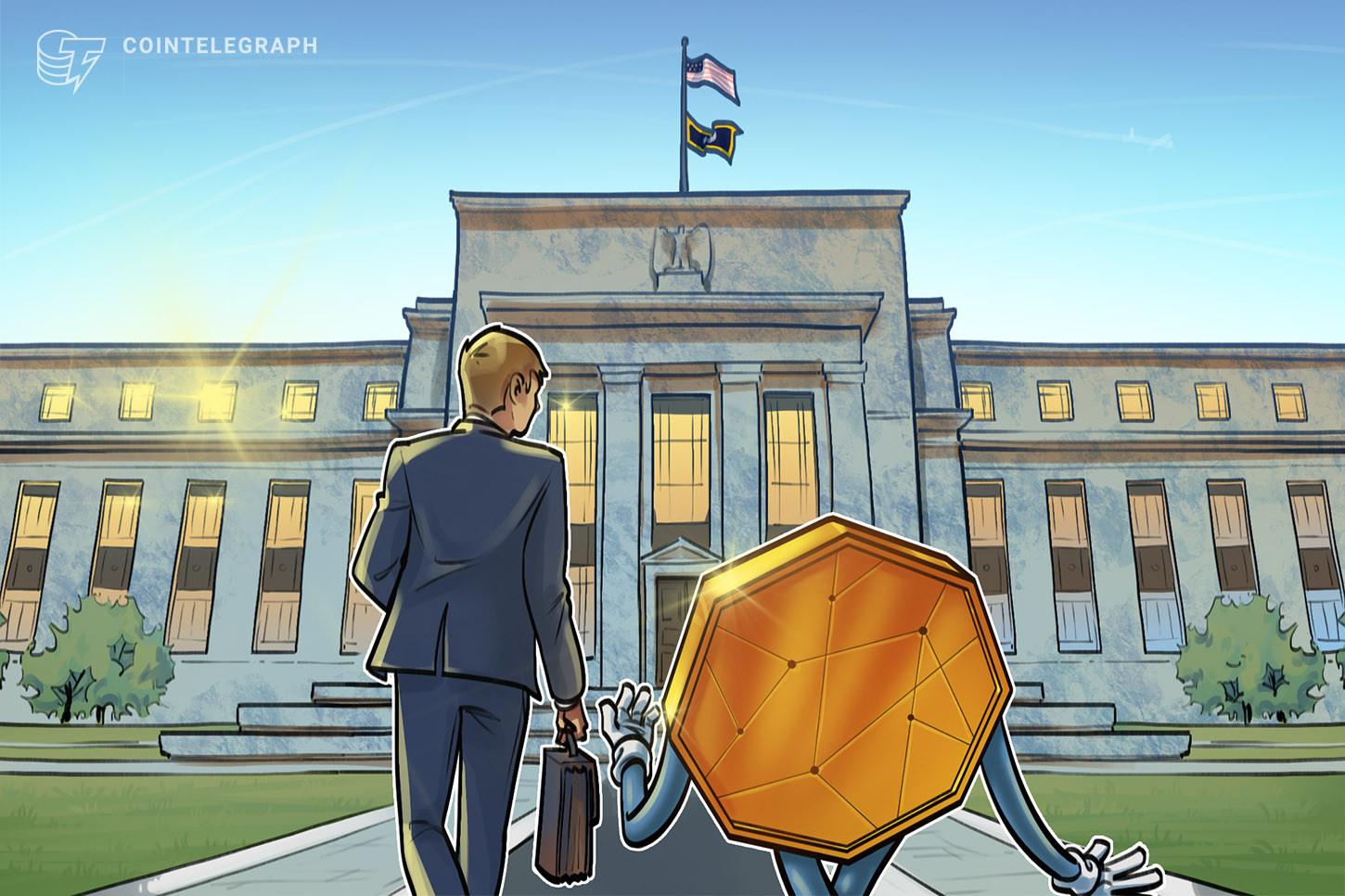
Are you wondering why changes in a country’s interest rates seem to move the price of Bitcoin, even though the cryptocurrency isn’t tied to any government? This article explains how central‑bank policy affects Bitcoin’s market dynamics and what that means for anyone trying to earn crypto online.
What interest rates are and why they matter to crypto
An interest rate is the cost of borrowing money set by a nation’s central bank—in the United States, that’s the Federal Reserve (the “Fed”). When the Fed raises its benchmark federal funds rate, banks charge higher rates on loans, and the overall cost of credit in the economy rises. Conversely, a rate cut makes borrowing cheaper.
These rates influence the broader financial environment in three ways that matter to crypto:
- Liquidity: Higher rates tend to pull money out of risk‑on assets (like stocks and crypto) as investors seek safer, interest‑bearing instruments such as Treasury bonds.
- Dollar strength: A rate hike often strengthens the U.S. dollar because higher yields attract foreign capital. Since Bitcoin is priced in dollars, a stronger dollar can depress the BTC price.
- Cost of capital for miners: Crypto miners often finance equipment and electricity with loans. When borrowing costs rise, their operating expenses increase, squeezing profit margins and potentially reducing new mining capacity.
Because Bitcoin’s supply is fixed and its price is set by market demand, any shift in the amount of money flowing into or out of the asset can move its price. Interest‑rate expectations therefore become a key driver of short‑term Bitcoin volatility.
Real‑world illustration
In September 2026, markets were waiting for the Fed’s decision on whether to raise rates by 0.25 percentage points. Data from the CME Group’s FedWatch Tool showed a 93 % probability of a hike, which would push the federal funds rate to the 3.75‑4 % range. At the same time, Bitcoin was trading below $76,000, near its lowest level since August 2024, with on‑chain support clustering around $68,000. Analysts noted that the high likelihood of a rate increase was pulling liquidity away from risk assets, contributing to the price dip.
What this means for you as an online earner
If you earn crypto through staking, mining, or cloud‑reward platforms, central‑bank rate moves can affect you in two main ways:
- Staking and DeFi yields: Many decentralized finance (DeFi) protocols offer returns that are compared against traditional savings rates. When central‑bank rates rise, the relative attractiveness of crypto yields may diminish, potentially lowering the amount of capital flowing into those protocols.
- Mining profitability: Higher borrowing costs raise the expense of financing mining hardware. If the price of Bitcoin falls because of tighter monetary policy, the margin between revenue (BTC earned) and costs (electricity, loan interest) can shrink, making mining less profitable.
Understanding the macro‑economic backdrop helps you decide when to allocate resources to mining versus other passive‑income strategies, such as staking or participating in green‑focused cloud‑reward services.
How to evaluate the impact before you commit
- Watch central‑bank calendars: Note upcoming meetings of the Fed, the European Central Bank, and other major policymakers. Their decisions are widely reported and often priced into crypto markets ahead of time.
- Check the FedWatch probability: Tools like CME’s FedWatch give a real‑time probability of a rate change. A probability above 80 % usually signals that markets have already factored the move into asset prices.
- Monitor dollar strength: A rising U.S. dollar index often coincides with falling Bitcoin prices. Correlate the two to gauge short‑term risk.
- Assess your financing costs: If you use loans for mining equipment, calculate the effective interest rate you’ll pay. Compare that to your expected Bitcoin revenue at current price levels.
- Look at on‑chain support levels: Platforms like Glassnode publish order‑book depth and supply‑cost data. These metrics show where large clusters of buy orders sit, providing a sense of price floors during rate‑driven sell‑offs.
FAQ
Why does a higher interest rate sometimes cause Bitcoin to drop?
Higher rates make safe assets like Treasury bonds more attractive, pulling money away from risk‑on assets such as Bitcoin. Additionally, a stronger dollar reduces the dollar‑denominated price of Bitcoin.
Can I still profit from mining when rates are high?
Profitability depends on the spread between Bitcoin’s market price, your electricity cost, and any financing expenses. If rates rise but Bitcoin’s price stays strong, mining can remain viable; otherwise, margins may shrink.
Do rate cuts guarantee a Bitcoin rally?
No. While lower rates can boost risk appetite, Bitcoin’s price also reacts to many other factors—regulatory news, network upgrades, and macro‑economic events. A rate cut is just one piece of the puzzle.
Should I shift from mining to staking when rates go up?
Staking does not involve borrowing costs, so it can be less sensitive to interest‑rate changes. However, staking yields are also influenced by market demand, so evaluate both the expected return and the underlying risk before switching.
This article references reporting from cointelegraph.com.