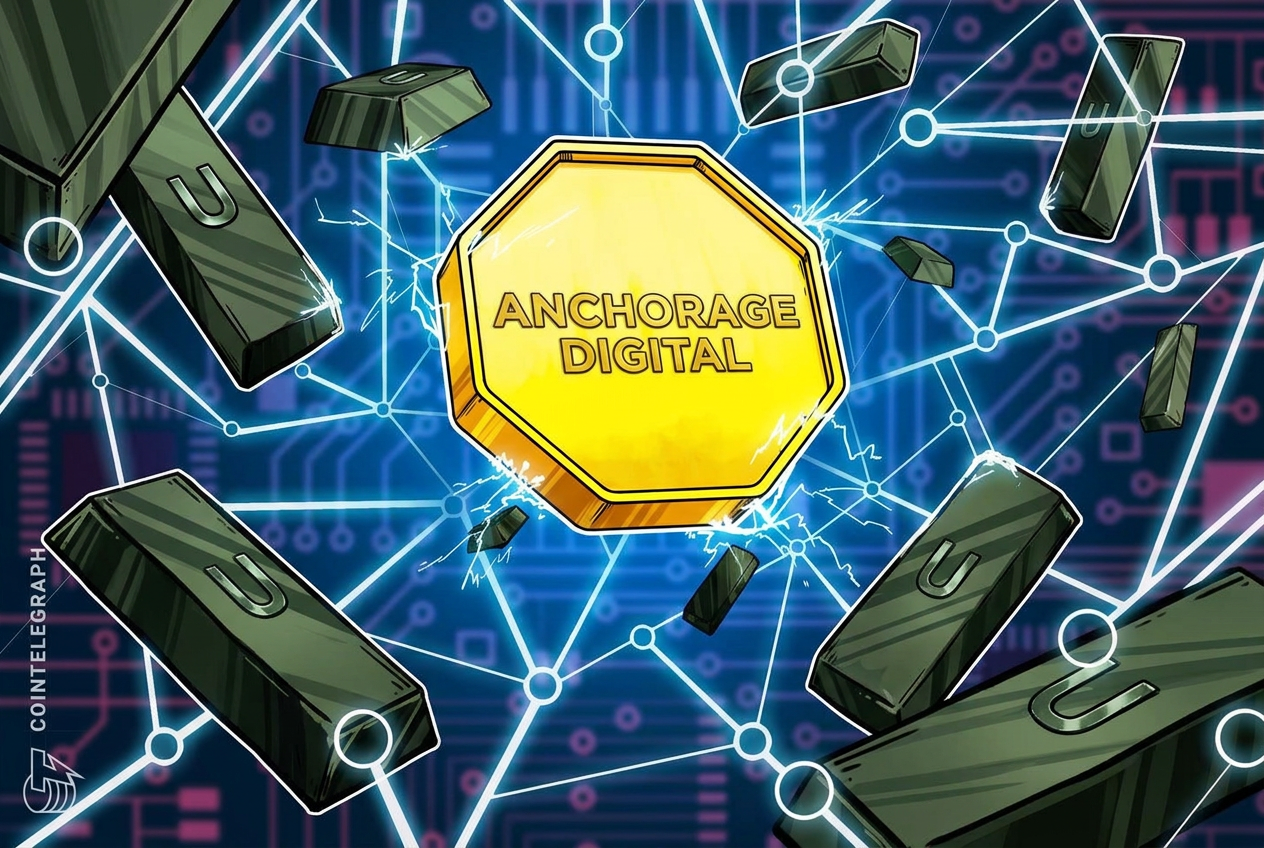
Are you curious how a digital token can give you exposure to a physical commodity like uranium, and why banks are setting up special accounts to hold those tokens? This article breaks down the concept of tokenized real‑world assets (RWAs), how custody services keep them safe, and what you should consider before investing in such products.
What tokenized real‑world assets are and how they work
Tokenization is the process of creating a digital representation of a real‑world item—such as a metal, a piece of real estate, or a fine art work—on a blockchain. Each token acts as a certificate of ownership that can be transferred, divided, or stored just like any other cryptocurrency. Because the token lives on a public or permissioned ledger, ownership changes are recorded transparently and can be settled in seconds.
To make a token trustworthy, the issuer must link it to the underlying asset. This is usually done through a legal framework that defines the rights of token holders, the responsibilities of the custodian who physically holds the asset, and the mechanisms for redemption or liquidation. For example, a token representing uranium might be backed by a vault that stores the metal, with an independent auditor verifying the quantity regularly.
Most tokenized assets are built on existing blockchain platforms. Some use Ethereum directly, while others employ layer‑2 solutions—secondary networks that inherit security from a base chain but offer lower fees and faster settlement. Etherlink, for instance, is an Ethereum Virtual Machine‑compatible layer‑2 that settles on the Tezos blockchain. By leveraging such technology, token issuers can offer near‑instant transfers and fractional ownership that would be impossible with traditional commodity contracts.
Why institutional custody matters
Holding a token in a personal wallet is convenient, but it also places the responsibility for security on the individual. Institutional investors—pension funds, hedge funds, and corporate treasuries—typically require a higher level of protection. Custody services provide that protection by storing the private keys that control the tokens in highly secure, regulated environments.
In the United States, a federally chartered crypto bank such as Anchorage Digital Bank is authorized to hold digital assets on behalf of clients. The bank creates segregated accounts, meaning each client’s tokens are kept separate from the bank’s own holdings and from other clients’ assets. This segregation reduces the risk of commingling and makes it easier to trace ownership in case of disputes.
Custodians also offer additional safeguards: multi‑signature controls, hardware security modules (HSMs), insurance coverage, and compliance monitoring for anti‑money‑laundering (AML) and know‑your‑customer (KYC) regulations. For tokenized commodities, custodians often work with third‑party auditors to verify that the physical asset backing the token actually exists and remains in good condition.
Real‑world example: Anchorage adds Etherlink and uranium tokens
In September 2026, Anchorage Digital Bank announced that it had expanded its institutional custody services to include Etherlink and seven assets issued on that layer‑2 network. Among those assets was xU3O8, a token that represents ownership of physical uranium. By supporting xU3O8, Anchorage enabled its clients to hold a digital claim to uranium without needing to manage the logistics of storage, security, or regulatory compliance themselves.
The token’s market cap was just above $9 million at the time, illustrating that even relatively niche commodities can attract institutional interest when they are tokenized. Anchorage’s integration meant that clients could settle transfers of xU3O8 in minutes, a stark contrast to the weeks‑long settlement cycles that have traditionally characterized uranium trading.
What this means for you as a potential investor
If you are looking to diversify your portfolio with exposure to commodities, tokenized RWAs can offer several advantages:
- Fractional ownership: You can buy a small portion of a high‑value asset, which lowers the entry barrier.
- Speedy settlement: Transfers settle on the blockchain in seconds or minutes, compared to days or weeks for traditional contracts.
- Transparency: Ownership records are immutable and publicly auditable, reducing the chance of fraud.
- Potential for secondary markets: Tokens can be traded on compatible exchanges, providing liquidity that physical commodities often lack.
However, tokenized assets also carry risks. The value of the token depends on both the market price of the underlying commodity and the credibility of the token issuer and custodian. Regulatory frameworks for RWAs are still evolving, and future legislation could affect how these tokens are treated for tax or compliance purposes.
How to evaluate a tokenized commodity offering
Before committing funds, consider the following checklist:
- Issuer credibility: Research the organization that created the token. Look for audited reports, legal opinions, and a clear description of how the physical asset is stored.
- Custodian reputation: Verify that the custodian is regulated (e.g., a federally chartered bank in the U.S.) and that it offers segregation, insurance, and robust security controls.
- Legal rights of token holders: Understand what ownership entails—can you redeem the physical asset, or is the token purely a financial exposure?
- Audit frequency: Check how often the underlying asset is independently verified and whether audit reports are publicly available.
- Liquidity options: Determine whether the token is listed on reputable exchanges and what the typical trading volume looks like.
- Regulatory environment: Stay informed about current and upcoming regulations that may affect the token’s classification, tax treatment, or ability to be held in certain accounts.
FAQ
Can I hold a tokenized commodity in a regular crypto wallet?
Technically, yes—any wallet that supports the token’s blockchain can store it. However, doing so places full responsibility for security on you, and many custodial services are required for institutional compliance and insurance coverage.
What happens if the physical uranium backing xU3O8 is lost or damaged?
The token’s legal documentation should specify the recourse for such events, typically involving insurance payouts or replacement of the asset. Reliable issuers maintain regular audits and insurance policies to mitigate this risk.
Do tokenized commodities generate income like dividends?
Some tokens may distribute earnings derived from the underlying asset (e.g., rental income from real estate). Commodity tokens like uranium generally reflect price movements rather than cash flow, so any returns come from buying low and selling high.
Is tokenization regulated, and do I need to report it for taxes?
Regulation varies by jurisdiction. In the United States, tokenized commodities are often treated as securities or commodities for tax purposes, meaning you must report gains or losses on your tax return. Consult a tax professional familiar with digital assets.
This article references reporting from cointelegraph.com.