Wondering why a single piece of legislation can cause crypto exchange stocks to wobble? This article explains how U.S. market‑structure regulations work, what they mean for platforms that let you trade digital assets, and how you can assess the stability of the services you use.
What market‑structure rules are and how they affect crypto exchanges
In the United States, “market‑structure rules” are the set of laws and regulations that govern how financial markets operate. They cover who can trade, what assets are allowed, how orders are processed, and what licensing a platform needs. Traditional stock exchanges, futures markets, and now crypto exchanges all fall under these rules.
Key concepts include:
- Registration requirements: An exchange may need to register as a broker‑dealer, a clearinghouse, or a “registered exchange” with the Securities and Exchange Commission (SEC) or the Commodity Futures Trading Commission (CFTC). Registration brings reporting obligations and oversight.
- Eligible assets: Regulators decide which tokens are considered securities, commodities, or currencies. That classification determines which agency has jurisdiction and what compliance steps are required.
- Participant eligibility: Rules can restrict who may open an account—retail investors, accredited investors, or institutions—and may impose know‑your‑customer (KYC) and anti‑money‑laundering (AML) checks.
- Order‑type and execution standards: Exchanges must follow best‑execution practices, maintain transparent order books, and sometimes provide access to market makers.
When a crypto exchange operates in the U.S., it must align its business model with these rules. Failure to do so can lead to fines, forced shutdown of certain services, or loss of market access, which directly impacts the platform’s revenue and the safety of user funds.
Real‑world illustration: the CLARITY Act setback
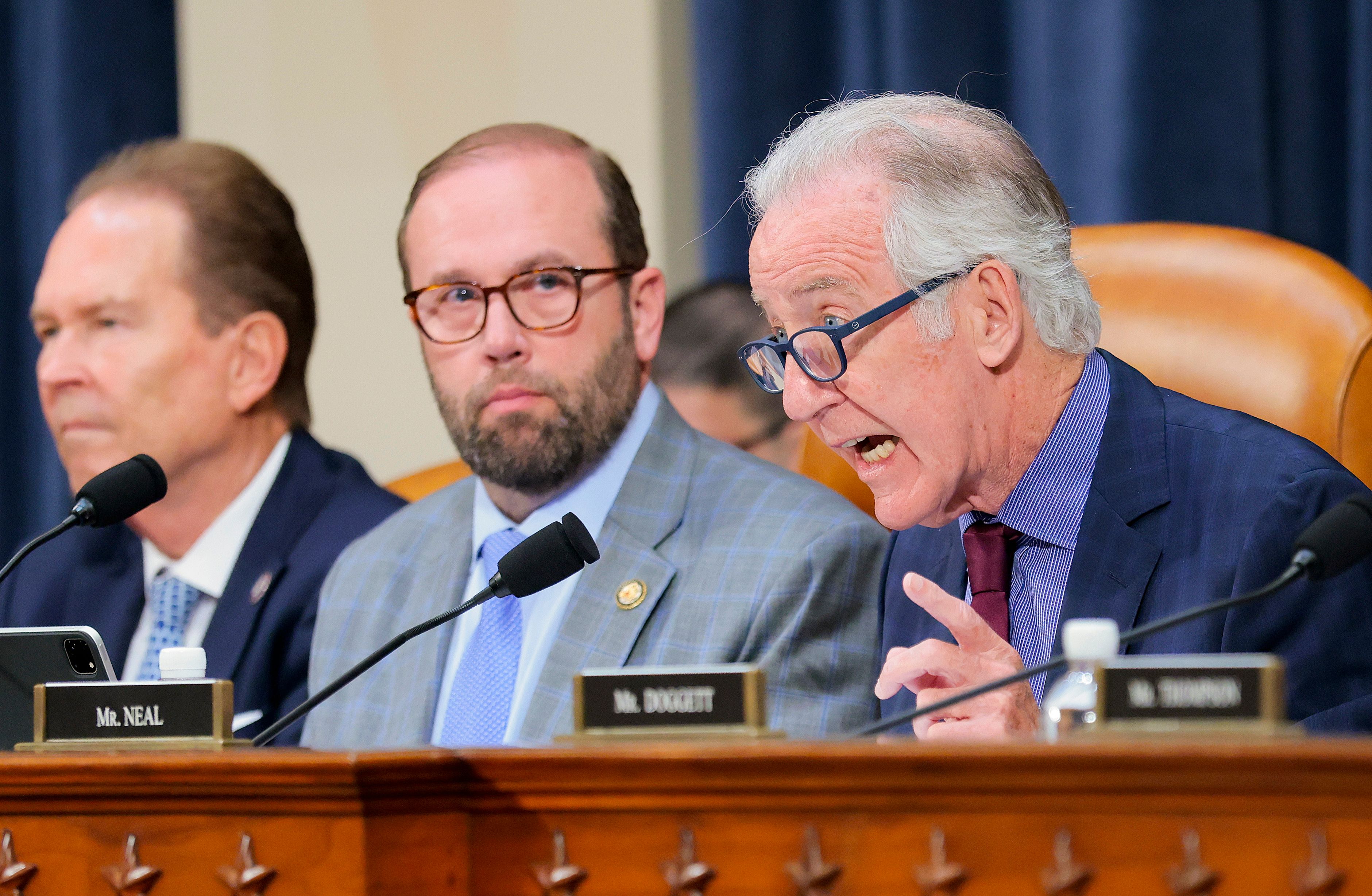
In September 2026, the U.S. Senate voted 49‑50 against invoking cloture on the Digital Asset Market Clarity (CLARITY) Act, effectively halting its progress for the year. The CLARITY Act aimed to provide clearer definitions for digital assets and establish a unified regulatory framework for crypto trading in the United States.
A strategist at Saxo Bank, Ruben Dalfovo, noted that Coinbase (ticker COIN) is “most directly exposed to clearer market rules because trading and crypto participation directly affect its business.” The failure of the bill caused Coinbase’s shares, along with those of stablecoin issuer Circle and Bitcoin treasury firm Strategy, to fall between 5% and 10% in the immediate aftermath. The market reaction highlighted how uncertainty around regulatory definitions can affect investor confidence and the operational outlook of exchanges that rely heavily on U.S. trading volume.
What this means for you as an online earner
If you earn passive income by trading on a crypto exchange, providing liquidity, or staking through a platform that also offers spot trading, regulatory shifts can influence your returns in several ways:
- Service availability: New rules may force an exchange to suspend certain assets or services in the U.S., limiting the opportunities you can access.
- Fee structures: Compliance costs—such as reporting, auditing, and legal fees—are often passed on to users through higher trading fees or withdrawal charges.
- Liquidity and pricing: If a major exchange reduces its U.S. footprint, overall market liquidity can dip, leading to wider spreads and more price slippage for traders.
- Security of funds: Proper registration typically brings stricter custody standards, which can improve the safety of your deposited assets.
How to evaluate an exchange’s regulatory resilience
Before committing capital, consider these practical checks:
- Registration status: Verify whether the platform is registered with the SEC, CFTC, or state regulators. This information is usually listed in the “Legal” or “About” sections of the website.
- Licensing disclosures: Look for clear statements about the jurisdictions the exchange serves and any licensing limitations (e.g., “U.S. customers only have access to spot trading”).
- Compliance transparency: Platforms that publish regular compliance reports, audit results, or third‑party security assessments demonstrate a commitment to meeting regulatory standards.
- Legal risk monitoring: Follow reputable sources for updates on crypto legislation. An exchange that proactively adjusts its policies in response to new laws is less likely to face sudden service disruptions.
FAQ
What is the difference between a “registered exchange” and a “broker‑dealer”?
A registered exchange operates a public marketplace where buyers and sellers meet, while a broker‑dealer acts as an intermediary that executes trades on behalf of clients. Both require registration, but the obligations differ: exchanges focus on market transparency, whereas broker‑dealers emphasize client suitability and best execution.
Can an exchange operate without U.S. registration?
Yes, many platforms choose to limit or block U.S. customers to avoid registration. However, this reduces the pool of potential traders and may affect liquidity, which can impact the quality of price discovery for all users.
How do regulatory changes affect staking or passive‑income products?
Staking and other yield‑generating services often rely on the same custodial infrastructure as spot trading. If regulators deem a token a security, the platform may need to obtain a securities license to offer staking, potentially leading to higher fees or the suspension of the service.
Should I avoid exchanges that are not yet registered?
Not necessarily, but you should weigh the risk of sudden service changes against the benefits. Conduct due diligence on the platform’s compliance roadmap and consider diversifying your holdings across multiple reputable services.
This article references reporting from cointelegraph.com.