Do you wonder why a spike in diesel costs can make your crypto mining earnings wobble? This article explains the relationship between fuel prices, electricity costs, and mining profitability, so you can gauge how energy market shifts affect your bottom line.
What mining profitability really depends on
Crypto mining is the process of using computer hardware to solve complex mathematical puzzles, known as hashes. When a miner finds a valid hash, they add a new block to the blockchain and receive a reward in the native coin, plus any transaction fees. The reward is fixed by the protocol (for example, Bitcoin’s block reward halves roughly every four years) and does not change with market conditions.
The profit a miner makes is the difference between the revenue (value of the block reward and fees) and the costs of running the hardware. The biggest cost component is electricity, which powers the mining rigs and cools them. In many regions, electricity is generated from a mix of sources, including fossil fuels such as diesel‑generated power.
When miners rely on diesel generators—common in areas with unreliable grids or where renewable energy is scarce—the price of diesel directly influences the cost per kilowatt‑hour (kWh). A higher diesel price means a higher kWh price, which squeezes the profit margin. Conversely, a drop in diesel prices can improve margins, assuming the reward and coin price stay constant.
Real‑world illustration
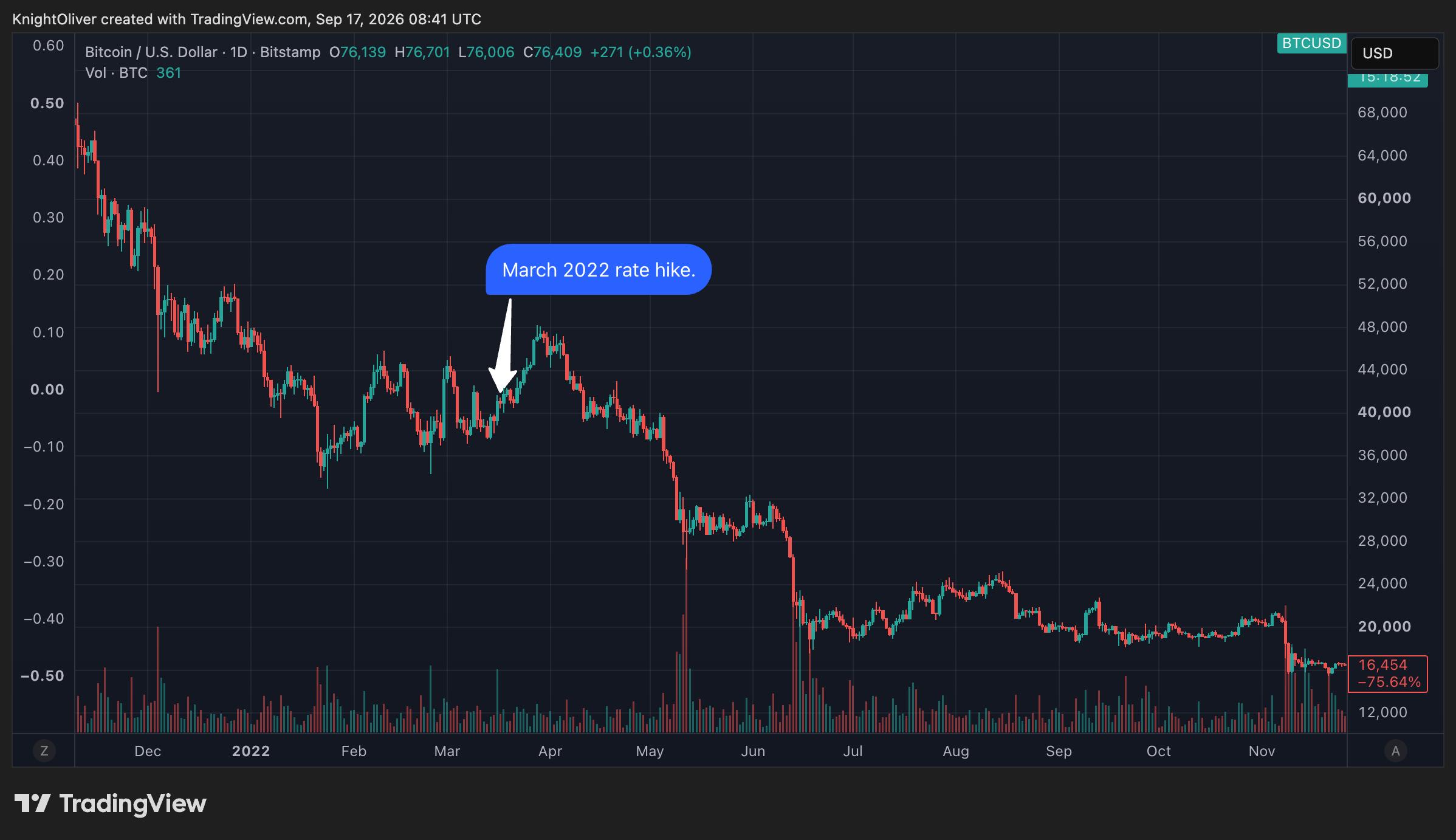
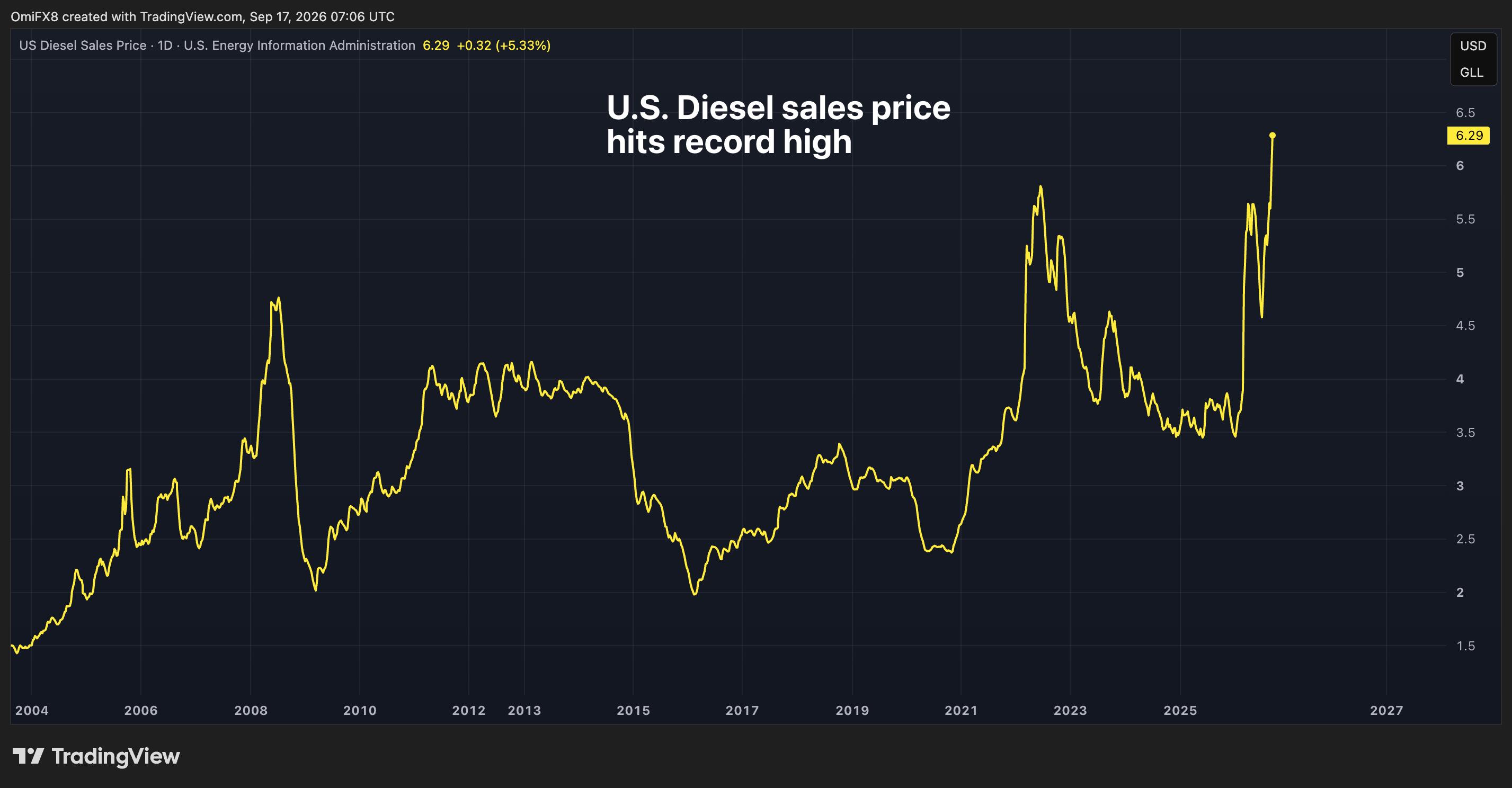
In August 2026, U.S. diesel prices reached a record high while Bitcoin and gold prices were under pressure. The surge in diesel cost raised the operating expense for miners using diesel‑powered rigs, contributing to a noticeable dip in mining profitability across the country. This example shows how a commodity price unrelated to crypto can still impact earnings.
What it means for you
If you are running a small mining operation or considering cloud mining contracts, keep an eye on local fuel prices. In regions where diesel is a primary electricity source, a sudden price hike can turn a marginally profitable setup into a loss‑making one. For cloud‑based or pool mining services, the provider usually absorbs the electricity cost, but they may adjust payout rates or switch to cheaper energy sources, which can affect your expected returns.
Understanding the energy mix behind a mining operation helps you set realistic expectations and avoid surprises when fuel markets shift.
How to evaluate energy costs before mining
- Identify the energy source. Ask whether the operation uses grid electricity, diesel generators, or renewable sources. Each has a different cost structure.
- Calculate the cost per kWh. For diesel, multiply the current diesel price by the generator’s fuel consumption rate (liters per kWh) and add any maintenance overhead.
- Compare against expected revenue. Use a mining profitability calculator, inputting your hardware’s hash rate, power draw, and the calculated kWh cost to see if you break even.
- Watch fuel market trends. Diesel prices can be tracked through commodity indexes or local fuel station reports; sudden spikes often precede changes in mining profitability.
- Consider diversification. If diesel costs are volatile, look for mining locations with access to cheaper, renewable energy or join a pool that sources power from multiple regions.
FAQ
Why does diesel affect mining more than other fuels?
Diesel generators are commonly used in remote or off‑grid locations where the electricity grid is unreliable. They have a relatively high fuel‑to‑electricity conversion efficiency, so changes in diesel price translate quickly into higher electricity costs for miners.
Can I offset high diesel costs with higher coin prices?
Higher coin prices increase revenue, but they also tend to attract more miners, which can raise network difficulty and reduce individual rewards. The net effect depends on the magnitude of the price change versus the fuel cost increase.
Is renewable energy a better option for small miners?
Renewables such as solar or wind have higher upfront capital costs but lower variable costs. In areas with abundant sunlight or wind, they can provide a more stable and predictable expense, insulating miners from fuel price volatility.
How often should I re‑evaluate my mining profitability?
At least quarterly, or whenever there is a noticeable shift in fuel prices, electricity rates, or the cryptocurrency’s market price. Regular checks help you decide whether to continue, scale up, or shut down operations.
This article references reporting from coindesk.com.