Do you wonder why a change in a country’s interest rates can cause a cryptocurrency to surge or tumble? This article explains how central bank rate decisions ripple through the broader financial system and affect crypto assets, even those that seem unrelated to traditional markets.
What a rate hike actually is and why it matters
A rate hike is when a central bank, such as the U.S. Federal Reserve, raises its benchmark interest rate. The benchmark rate is the cost at which banks can borrow money from the central bank. When that cost goes up, banks pass the higher expense onto consumers and businesses through more expensive loans, mortgages, and credit cards.
Higher rates have three immediate effects:
- Borrowing becomes pricier. Companies and individuals are less likely to take on new debt, which can slow economic growth.
- Saving becomes more attractive. Banks offer higher yields on deposits, pulling money out of riskier assets.
- Currency strength often rises. Higher rates can draw foreign capital seeking better returns, boosting the domestic currency’s value.
All three forces shift where investors allocate capital. When traditional assets look less appealing, some investors look for alternatives, and vice‑versa. Cryptocurrencies, despite being a separate asset class, are not immune to these shifts because they compete for the same pool of investable funds.
How the dynamics translate to crypto markets
Crypto prices are influenced by a mix of supply‑and‑demand, market sentiment, and macro‑economic conditions. Rate hikes affect each of these components:
- Liquidity flow. Higher rates can tighten overall market liquidity as investors move money into higher‑yielding savings or bonds. Less liquidity often means lower trading volumes for crypto, which can depress prices.
- Risk appetite. When borrowing costs rise, risk‑averse investors may retreat from volatile assets like Bitcoin, Ethereum, or privacy coins such as Zcash. Conversely, risk‑seeking traders might double down, hoping for larger moves.
- Currency valuation. A stronger U.S. dollar (common after a Fed hike) makes crypto appear more expensive in dollar terms, which can dampen demand from dollar‑based buyers.
- Mining economics. Some proof‑of‑work (PoW) coins rely on electricity costs that are indirectly linked to energy prices, which can be influenced by broader economic conditions tied to rate decisions.
Real‑world illustration
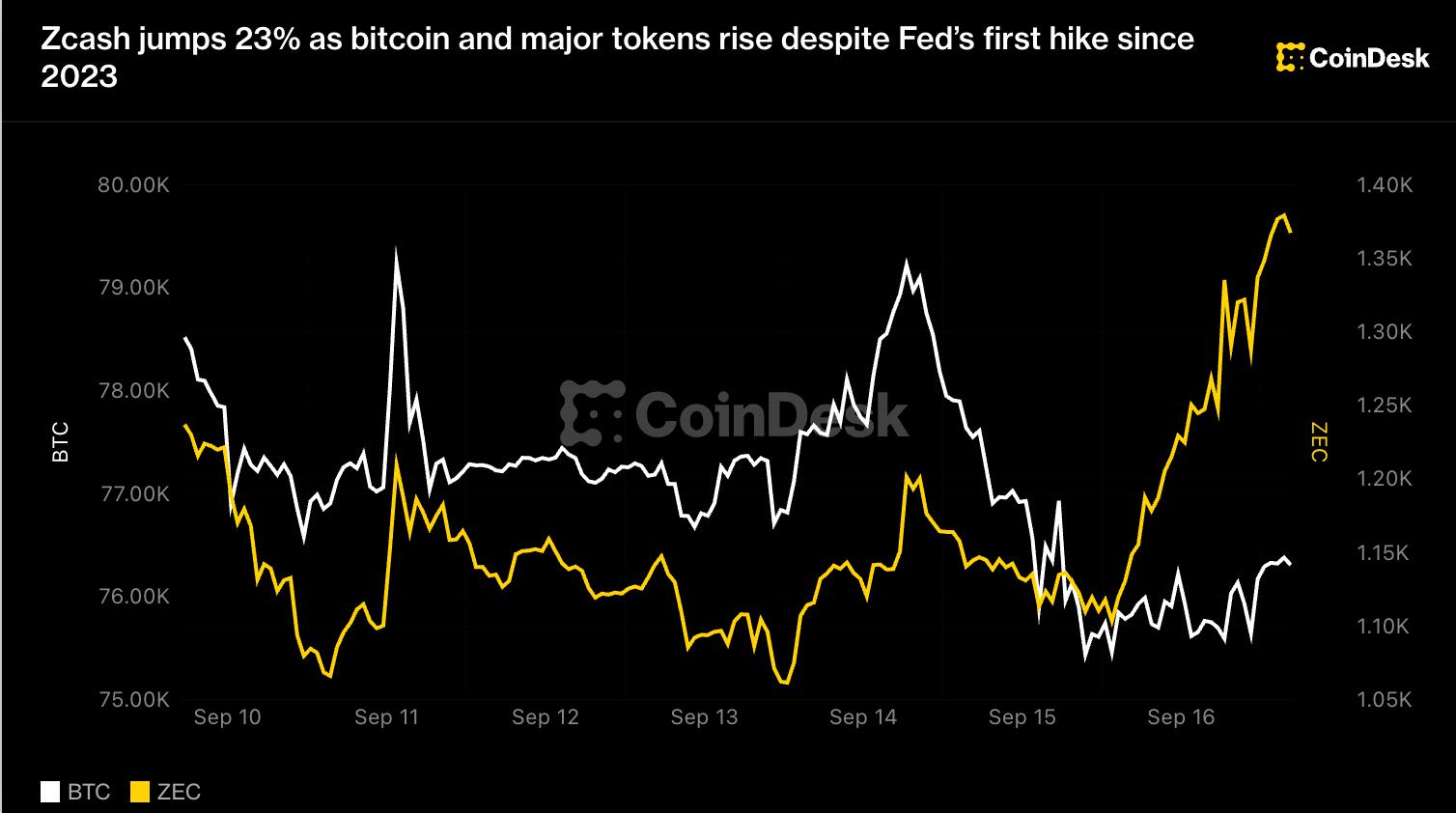
In March 2026, the U.S. Federal Reserve raised rates by 25 basis points, marking its first hike since July 2023. The move signaled tighter monetary policy after a prolonged period of low rates. In the same week, Zcash—a privacy‑focused cryptocurrency—jumped 23% while Bitcoin and other major tokens also rose.
This price action illustrates a common pattern: the rate hike sparked a reassessment of risk across markets. Some investors, anticipating a slowdown in traditional equities, shifted part of their portfolios into crypto, hoping for higher upside. The simultaneous rise of multiple tokens suggests that the rate decision acted as a catalyst for broader market rebalancing rather than a single‑coin event.
What it means for you as an online earner
If you earn passive income through staking, cloud mining, or liquidity provision, rate hikes can affect the profitability of those activities in two ways. First, tighter liquidity may reduce the price appreciation potential of the tokens you hold, limiting capital gains. Second, higher yields on traditional savings accounts could make the relative return on crypto‑based earnings less attractive.
However, crypto can also serve as a hedge against inflation or a source of uncorrelated returns when traditional assets underperform. Understanding the macro backdrop helps you decide whether to increase, maintain, or reduce exposure to crypto‑based earning strategies during periods of monetary tightening.
How to evaluate the impact of a rate hike on your crypto earnings
- Watch central bank calendars. Know when major banks announce policy decisions; the market reaction often begins before the official release.
- Monitor liquidity indicators. Look at trading volume trends on major exchanges and the net inflow/outflow of funds from crypto‑related ETFs or custodial services.
- Compare yields. Assess the interest rates offered by traditional savings accounts or bonds against the annualized return of your staking or cloud mining contracts.
- Assess currency strength. A rising dollar can make dollar‑priced crypto more expensive for non‑U.S. buyers, potentially reducing demand.
- Diversify within crypto. Balance exposure between high‑growth tokens, stablecoins, and privacy coins to mitigate the impact of macro swings.
FAQ
Why do some cryptocurrencies rise after a rate hike while others fall?
Different coins have varying risk profiles and utility. Low‑risk assets like stablecoins may see inflows as investors seek safety, while high‑volatility coins can attract traders looking to profit from larger price swings triggered by market uncertainty.
Can I rely on crypto earnings to offset higher interest rates on my savings?
Crypto earnings are inherently volatile. While they can sometimes outpace traditional yields, they also carry the risk of significant losses. Treat them as a complementary income source, not a guaranteed hedge.
Do rate hikes affect mining profitability?
Indirectly, yes. Higher rates can lead to stronger fiat currencies and potentially higher energy costs, both of which influence the cost of running mining hardware. Keep an eye on your electricity expenses and the market price of the mined coin.
Should I sell my crypto holdings after a rate hike?
Decisions should be based on your personal risk tolerance, investment horizon, and the specific fundamentals of each asset. A rate hike alone is not a sell signal; consider the broader market context and your earning strategy.
This article references reporting from coindesk.com.