Are you wondering why a change in U.S. interest rates can make your crypto earnings feel like a roller coaster? This article explains how Federal Reserve rate decisions ripple through the cryptocurrency ecosystem, affecting everything from mining rewards to passive income strategies.
What a Federal Rate Hike Actually Means
A Federal Reserve (Fed) rate hike is an increase in the benchmark interest rate that banks use to borrow money from the central bank. When the Fed raises rates, borrowing becomes more expensive, and the return on safe assets like U.S. Treasury bonds rises. The move is intended to cool inflation by slowing down spending and investment.
In the crypto world, higher rates influence three main areas:
- Cost of capital: Miners and investors often finance equipment or operations with loans. Higher rates increase those financing costs.
- Opportunity cost: When risk‑free yields go up, the relative attractiveness of volatile assets such as Bitcoin or altcoins can decline.
- Market sentiment: Traders interpret rate hikes as a signal that liquidity may tighten, which can trigger price adjustments across the market.
How the Mechanics Work for Crypto Earners
Mining profitability is calculated by comparing the revenue earned per unit of hash power to the total cost of running that hardware. Revenue depends on the price of the mined coin and the block reward, while costs include electricity, maintenance, and any financing charges.
When the Fed raises rates, two cost components typically rise:
- Financing costs: If a miner has taken out a loan to buy ASICs or GPUs, the interest expense on that loan will increase. This directly reduces net earnings.
- Opportunity cost of capital: Higher yields on Treasury bonds mean that the same capital could earn a safer return elsewhere. Miners and investors may re‑evaluate whether the risk‑adjusted return on mining still justifies the effort.
For passive income platforms—such as cloud mining services or staking providers—the same principle applies. The platform’s cost of capital influences the interest or reward rates they can offer to users. If financing becomes pricier, the platform may lower its advertised returns to maintain profitability.
Real‑World Illustration
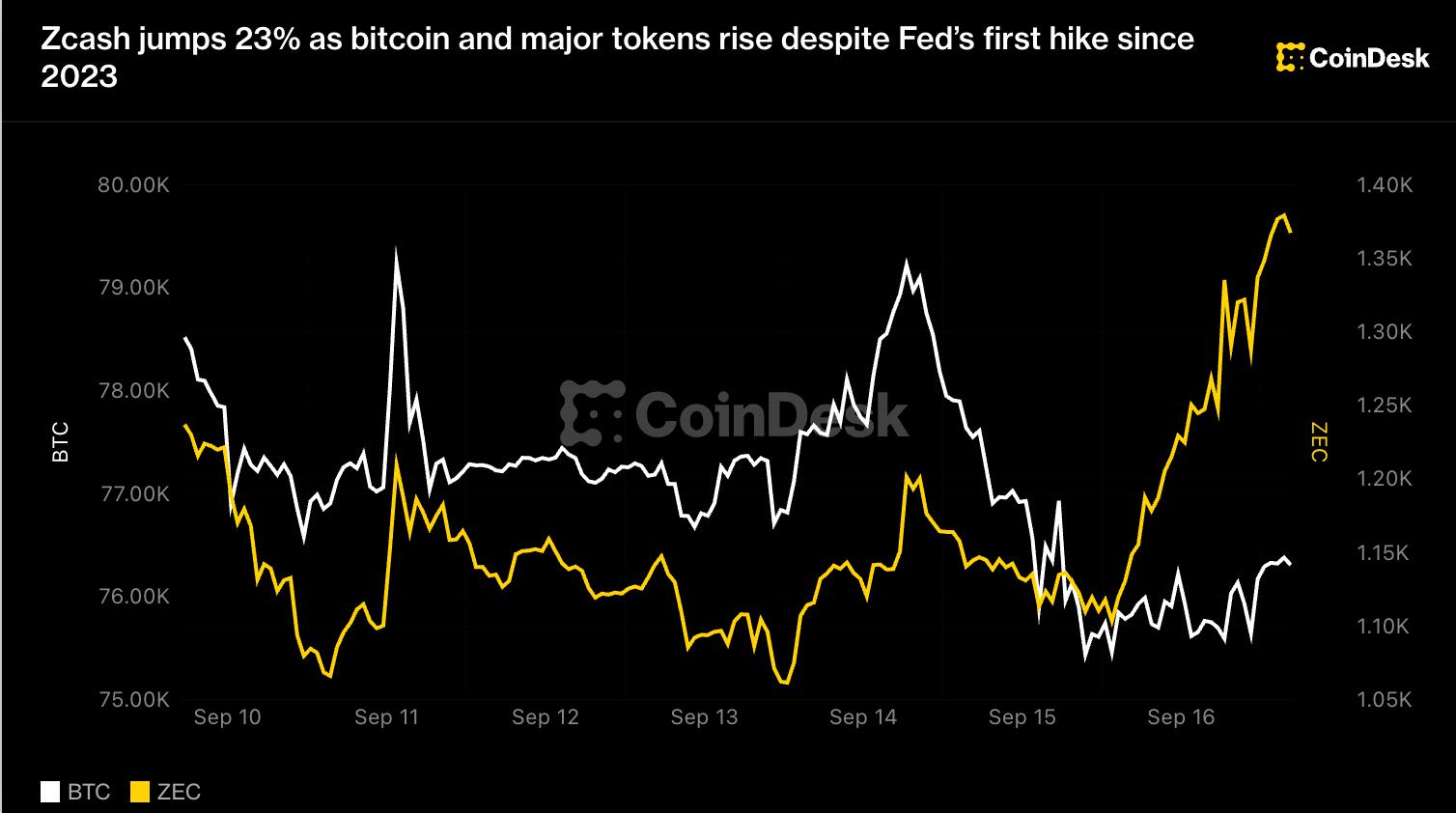
In October 2026, Goldman Sachs revised its outlook and began forecasting a Fed rate hike in that month. The expectation of a higher benchmark rate contributed to a broader market reaction: major cryptocurrencies, including Bitcoin and Zcash, experienced price movements despite the rate increase. This example shows how even anticipated policy changes can shift investor sentiment and affect the earnings potential for miners and passive income participants.
What It Means for You
If you are earning crypto through mining, staking, or cloud rewards, a Fed rate hike can impact you in three practical ways:
- Higher operating costs: Review any loans or credit lines tied to your hardware. An increase in interest payments will eat into your margins.
- Potential price volatility: Expect short‑term price swings as traders adjust positions. Your earnings may fluctuate even if your hash rate stays constant.
- Re‑assessment of returns: Compare the net return after financing costs with alternative low‑risk options, such as a Treasury bond yielding the new rate.
Understanding these dynamics helps you decide whether to hold, expand, or scale back your crypto‑earning activities.
How to Evaluate the Impact
Before committing more capital, run a simple checklist:
- Calculate financing expenses: Determine the interest rate on any debt used for hardware purchases. Multiply the rate by the loan balance to see the added cost.
- Estimate opportunity cost: Look up the current yield on a comparable‑risk Treasury security. Subtract that from your expected crypto return to gauge net advantage.
- Monitor electricity rates: While not directly tied to Fed policy, higher energy prices often accompany broader inflation trends, further affecting profitability.
- Check platform fee structures: For cloud mining or staking services, review how fees are calculated. Some platforms pass financing costs to users, which can reduce your net passive income.
FAQ
Will a Fed rate hike always cause crypto prices to fall?
Not necessarily. Higher rates can pressure risk assets, but crypto markets also respond to supply dynamics, technological developments, and macro‑economic factors beyond interest rates.
How can I protect my mining operation from rising financing costs?
Consider using cash reserves instead of loans, or negotiate fixed‑rate financing before a rate hike is announced. Fixed rates lock in borrowing costs regardless of future Fed moves.
Is staking still a good passive income option after a rate hike?
Staking can remain attractive if the net reward after platform fees exceeds the yield on risk‑free assets. Compare the effective annual percentage yield (APY) with the new Treasury rate to decide.
Do higher rates affect the environmental impact of mining?
Indirectly, yes. If miners reduce activity due to lower profitability, overall electricity consumption may drop. However, the primary driver of environmental impact remains the energy source mix, not interest rates.
This article references reporting from coindesk.com.