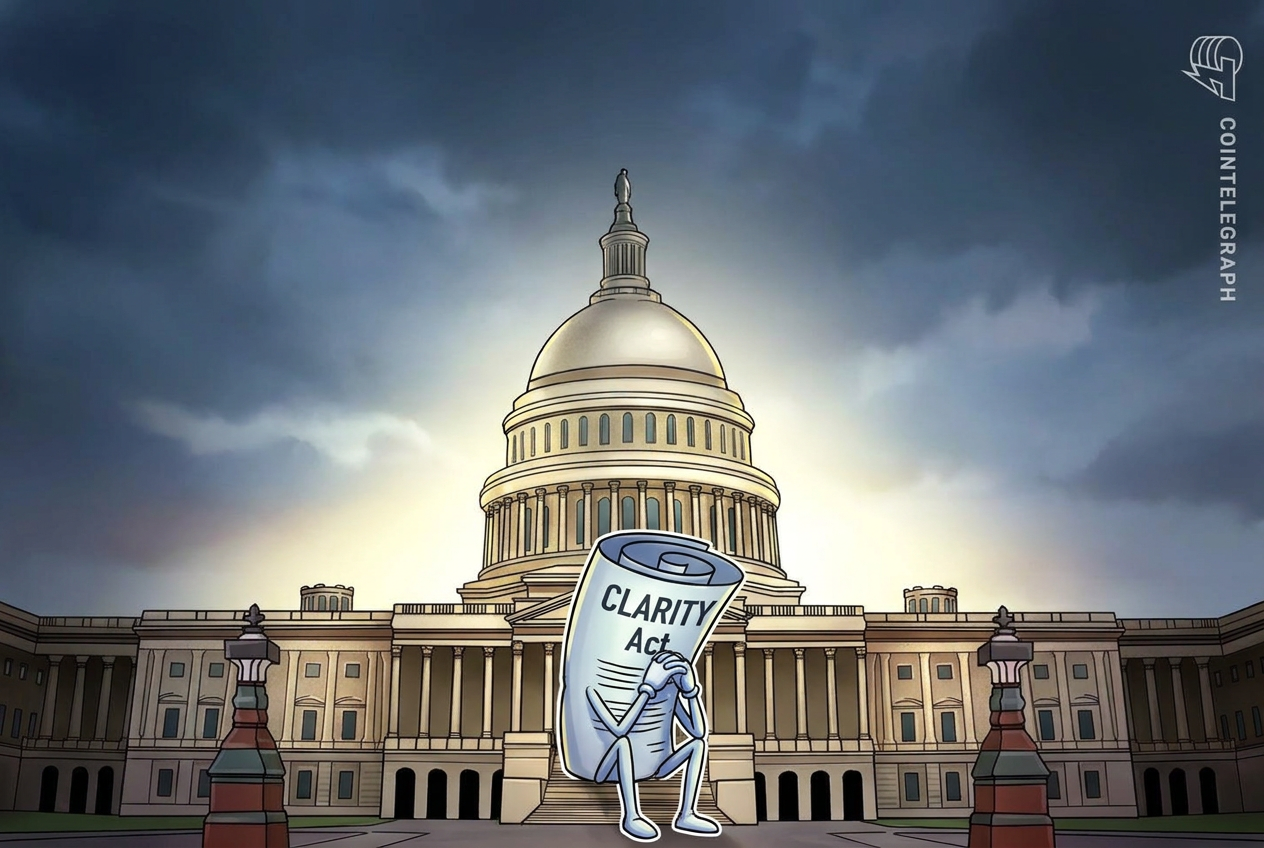
Ever wonder what happens when a country decides to hold Bitcoin as part of its national reserves? This article explains how a government Bitcoin reserve operates, why it matters, and what the implications are for anyone looking to earn or invest in crypto.
What a Strategic Bitcoin Reserve Is
A strategic Bitcoin reserve is a pool of Bitcoin that a government keeps under the control of a public agency, such as the Treasury Department. The idea mirrors traditional sovereign wealth funds that hold gold, foreign currencies, or stocks to diversify a nation’s assets. In the case of Bitcoin, the reserve is meant to provide a hedge against inflation, demonstrate confidence in digital assets, and potentially generate returns through price appreciation.
Key terms:
- Forfeiture assets: Bitcoin that the government acquires through civil or criminal cases, for example when it is seized from illegal activities.
- Custody: The method of storing private keys that control the Bitcoin. Secure custody can be “self‑custody” (the agency holds the keys directly) or a third‑party custodian.
- Proof of reserve: A public audit that shows the exact amount of Bitcoin held, often using cryptographic techniques that prove ownership without revealing the private keys.
- Strategic reserve: Assets held for long‑term national interest rather than short‑term trading.
How It Works in Practice
When Bitcoin is seized, the agency responsible for the case transfers the coins to a designated digital‑asset account within the Treasury. The account’s private keys are stored in a highly secure environment, often using hardware security modules (HSMs) and multi‑signature wallets that require several authorized officials to sign off on any transaction.
Legislation can set rules for how long the Bitcoin must remain locked up. For example, the American Reserve Modernization Act of 2026 (H.R. 8957) requires any Bitcoin in the strategic reserve to stay untouched for at least 20 years. This “lock‑up period” prevents short‑term political or market pressure from influencing the reserve’s holdings.
Transparency is built in through regular reporting. Quarterly “proof of reserve” reports use cryptographic signatures to let the public verify that the government still holds the stated amount of Bitcoin without exposing the private keys. Independent auditors may also be hired to conduct full checks.
Real‑World Illustration
In September 2026, the U.S. House Committee on Financial Services approved the American Reserve Modernization Act (H.R. 8957) with a 28‑21 vote. The bill would formalize a Strategic Bitcoin Reserve and a separate Digital Asset Stockpile for all federally held Bitcoin and other digital assets seized through forfeiture. According to Arkham Intelligence, the U.S. government holds roughly 324,527 Bitcoin, valued at about $24.7 billion at that time. The legislation mandates a minimum 20‑year holding period, quarterly proof‑of‑reserve reports, and third‑party audits.
What It Means for You
For everyday earners, a government reserve signals a growing institutional acceptance of Bitcoin. It can influence market perception, potentially stabilizing price volatility over the long term. However, the reserve does not directly affect individual earning opportunities such as mining, staking, or cloud rewards. Instead, it highlights the importance of secure custody and transparent accounting—principles you should apply to your own crypto holdings.
If you earn Bitcoin through mining or platform rewards, consider how you store your coins. The government’s emphasis on multi‑signature wallets and regular audits underscores best practices that protect against loss, theft, or mismanagement.
How to Evaluate a Government Reserve
- Custody method: Look for details on whether the reserve uses self‑custody, a reputable third‑party custodian, or a hybrid approach.
- Transparency measures: Check if the government publishes proof‑of‑reserve reports and whether independent auditors verify the holdings.
- Lock‑up rules: Understand the mandated holding period. Longer lock‑ups suggest a commitment to long‑term stability rather than short‑term profit‑taking.
- Acquisition strategy: Some legislation calls for “budget‑neutral” acquisition, meaning the government does not spend additional funds to buy Bitcoin but relies on seized assets.
FAQ
Why would a government want to hold Bitcoin?
Governments may view Bitcoin as a diversification tool, a hedge against fiat inflation, and a way to showcase technological leadership. Holding Bitcoin can also generate potential upside if the asset appreciates over time.
Is the government’s Bitcoin safe from hacking?
Security depends on the custody solution. Using multi‑signature wallets, hardware security modules, and regular third‑party audits reduces risk, but no system is completely immune to sophisticated attacks.
Will a government reserve affect the price of Bitcoin for regular users?
In the short term, the impact is usually modest. Over the long term, a credible reserve can add legitimacy, which may encourage broader adoption and potentially reduce volatility.
Can I participate in a government’s Bitcoin program?
Most reserves consist of seized assets and are not open for public investment. However, some proposals allow states to store their own Bitcoin in the Federal Reserve, indicating future possibilities for institutional collaboration.
This article references reporting from cointelegraph.com.