Are you wondering how new U.S. laws might change the way you earn crypto online? This article explains what market‑structure legislation is, how it works, and what it could mean for anyone looking to earn passive income through staking, cloud mining, or other blockchain‑based services.
What market‑structure legislation actually is
Market‑structure legislation is a set of rules that define how financial markets operate. In the context of crypto, such laws aim to clarify who can offer services like trading, custody, lending, or staking, and under what conditions. The goal is to create a framework that protects investors, ensures fair competition, and reduces the risk of fraud or systemic failure.
Key terms you’ll hear:
- Broker‑dealer: A firm that buys and sells assets on behalf of clients or for its own account. In crypto, a broker‑dealer might run an exchange or a platform that offers trading.
- Custodian: An entity that holds assets securely for others. Crypto custodians store private keys on behalf of users.
- Clearing and settlement: The process of finalizing a trade, ensuring the buyer receives the asset and the seller receives payment. Traditional markets have centralized clearinghouses; crypto proposals often discuss whether similar mechanisms are needed.
- Regulatory sandbox: A controlled environment where innovators can test new products with limited regulatory oversight.
In the United States, the Securities and Exchange Commission (SEC) and the Commodity Futures Trading Commission (CFTC) share oversight of digital assets, depending on whether an asset is classified as a security or a commodity. Market‑structure bills attempt to delineate responsibilities, set licensing requirements, and outline consumer‑protection standards.
Real‑world illustration
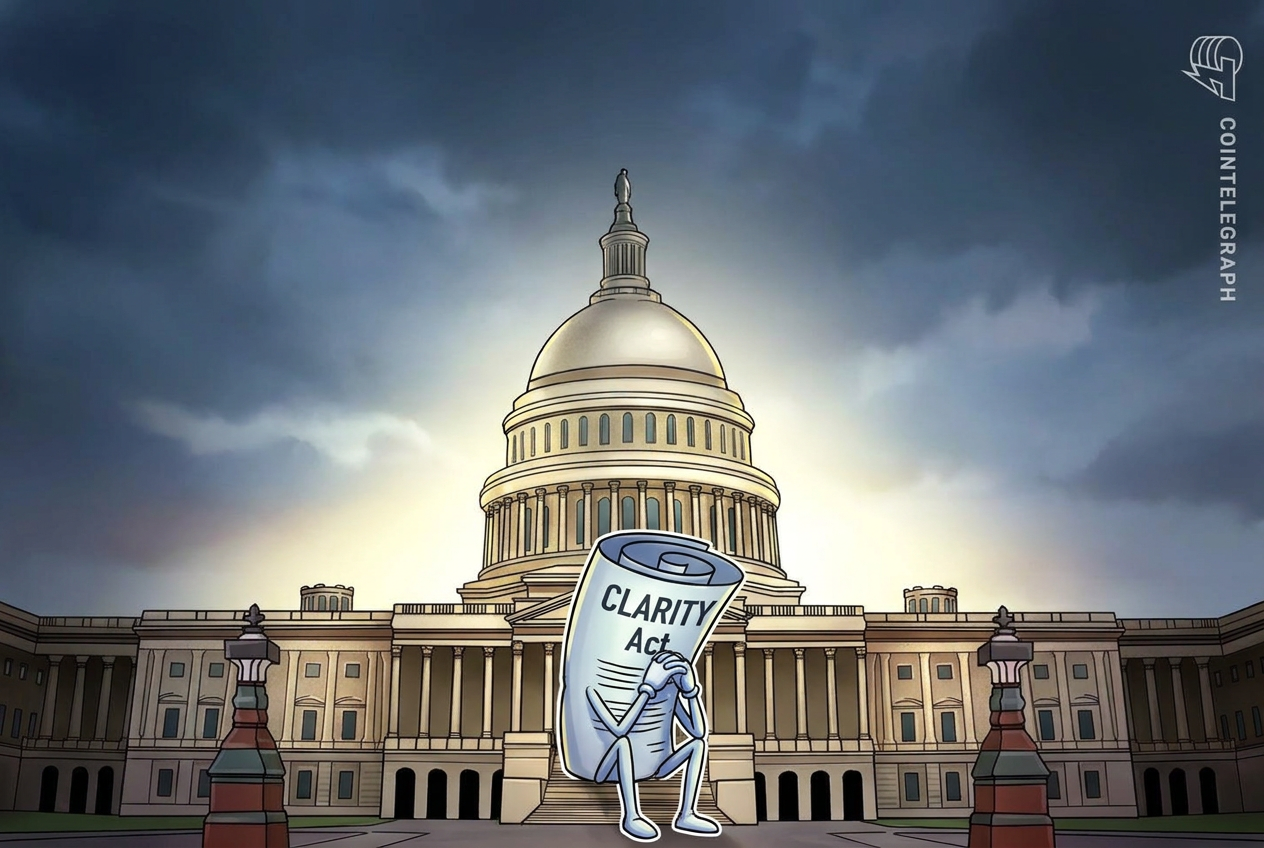
In September 2026, the Digital Sovereignty Alliance’s managing director Adrian Wall reported that senators from both parties were considering a last‑minute push to advance the CLARITY Act during the lame‑duck session of Congress. The bill had failed to secure the 60‑vote supermajority needed for cloture in the Senate, but advocates believed a final attempt might still happen before the current Congress ended. Wall described the effort as “a long shot” but noted that “there is an appetite to put this forward even during the lame‑duck period.” This example shows how legislative timing and political negotiation can shape the regulatory landscape that everyday earners must navigate.
What it means for you
If a market‑structure bill like the CLARITY Act becomes law, several practical changes could affect how you earn crypto online:
- Licensing requirements: Platforms that let you stake tokens, earn cloud‑mining rewards, or trade on a decentralized exchange may need to obtain a broker‑dealer or custodian license. Unlicensed services could be forced to shut down or limit access to U.S. users.
- Transparency obligations: Earn‑as‑you‑go services would likely have to disclose fees, risk metrics, and how rewards are generated. This can help you compare offers more reliably.
- Consumer protection: New rules may require platforms to hold a certain amount of capital in reserve, protect user funds from misuse, and provide clear dispute‑resolution processes.
- Tax reporting: Legislation often clarifies reporting obligations, meaning platforms might automatically issue 1099‑style forms for earned rewards, simplifying your tax filing but also making earnings more visible to the IRS.
How to evaluate platforms under a new regulatory regime
When assessing a service that promises passive crypto income, keep these checkpoints in mind:
- Licensing status: Verify that the platform holds the appropriate U.S. licenses (e.g., SEC broker‑dealer, state money‑transmitter, or CFTC registration). This information is usually listed in the “About” or “Legal” sections.
- Transparency of rewards: Look for clear explanations of how yields are calculated, what fees are deducted, and any risks tied to the underlying protocol.
- Security measures: Confirm that the service uses cold storage for user funds, employs multi‑factor authentication, and undergoes regular third‑party audits.
- Regulatory compliance: Check for statements about AML/KYC (anti‑money‑laundering/know‑your‑customer) procedures and tax reporting practices.
- Community and reputation: Review independent forums, audit reports, and user reviews to gauge reliability beyond the platform’s marketing.
FAQ
Will I have to stop using my current crypto earning apps?
Not necessarily. If a platform obtains the required licenses or qualifies for a regulatory sandbox, it can continue operating. However, services that remain unlicensed may limit U.S. access or cease operations.
Does market‑structure legislation affect only large exchanges?
No. The rules apply to any entity offering financial services to U.S. consumers, including smaller staking pools, cloud‑mining providers, and DeFi aggregators. The impact scales with the size and scope of the service.
How can I protect my earnings if a platform shuts down due to new regulations?
Keep your private keys in a personal wallet whenever possible, and withdraw rewards to a wallet you control. Diversify across multiple reputable services to reduce reliance on a single provider.
Will the new rules increase the cost of earning crypto?
Potentially. Licensing and compliance costs may be passed on as higher fees or lower reward rates. On the other hand, increased transparency can help you choose higher‑quality platforms, potentially improving net returns.
This article references reporting from cointelegraph.com.