Are you wondering whether a crypto exchange‑traded fund (ETF) is a good way to add digital assets to your portfolio? This article explains how crypto ETFs are structured, why money can flow in or out of them, and what those movements mean for someone looking to earn passive income from crypto.
What a Crypto ETF Actually Is
An exchange‑traded fund (ETF) is an investment vehicle that holds a basket of assets and trades on a traditional stock exchange just like a single stock. A crypto ETF follows the same model, but the underlying assets are cryptocurrencies or securities that give exposure to crypto markets. The fund may hold the actual coins (a “physically backed” ETF) or it may hold futures contracts, swaps, or other derivatives that track the price of a cryptocurrency (a “synthetically backed” ETF).
Because ETFs are regulated products, they must meet the rules of the jurisdiction where they are listed. This typically includes requirements for custody (how the assets are stored), transparency (regular reporting of holdings), and liquidity (the ability for investors to buy or sell shares at market price). For a beginner, the key benefit is that you can gain exposure to crypto without needing a separate wallet, private keys, or dealing with a cryptocurrency exchange directly.
Why Money Moves In and Out of Crypto ETFs
Investors buy shares of an ETF when they expect the price of the underlying crypto to rise, and they sell (or redeem) shares when they expect a decline or need cash. Large net purchases cause “inflows,” which can increase the fund’s assets under management (AUM). Conversely, net sales create “outflows,” reducing AUM. Outflows can be triggered by several factors:
- Market sentiment: A sharp price drop in the underlying crypto may prompt investors to cut losses.
- Regulatory news: New rules or uncertainty can make investors wary of crypto‑linked products.
- Alternative investment options: The launch of a new, more attractive crypto product can draw capital away.
- Tax considerations: End‑of‑year tax planning often leads to selling positions to realize gains or losses.
When an ETF experiences outflows, the fund manager may need to sell part of the underlying holdings to meet redemption requests, which can further affect the price of the crypto assets.
Real‑World Illustration
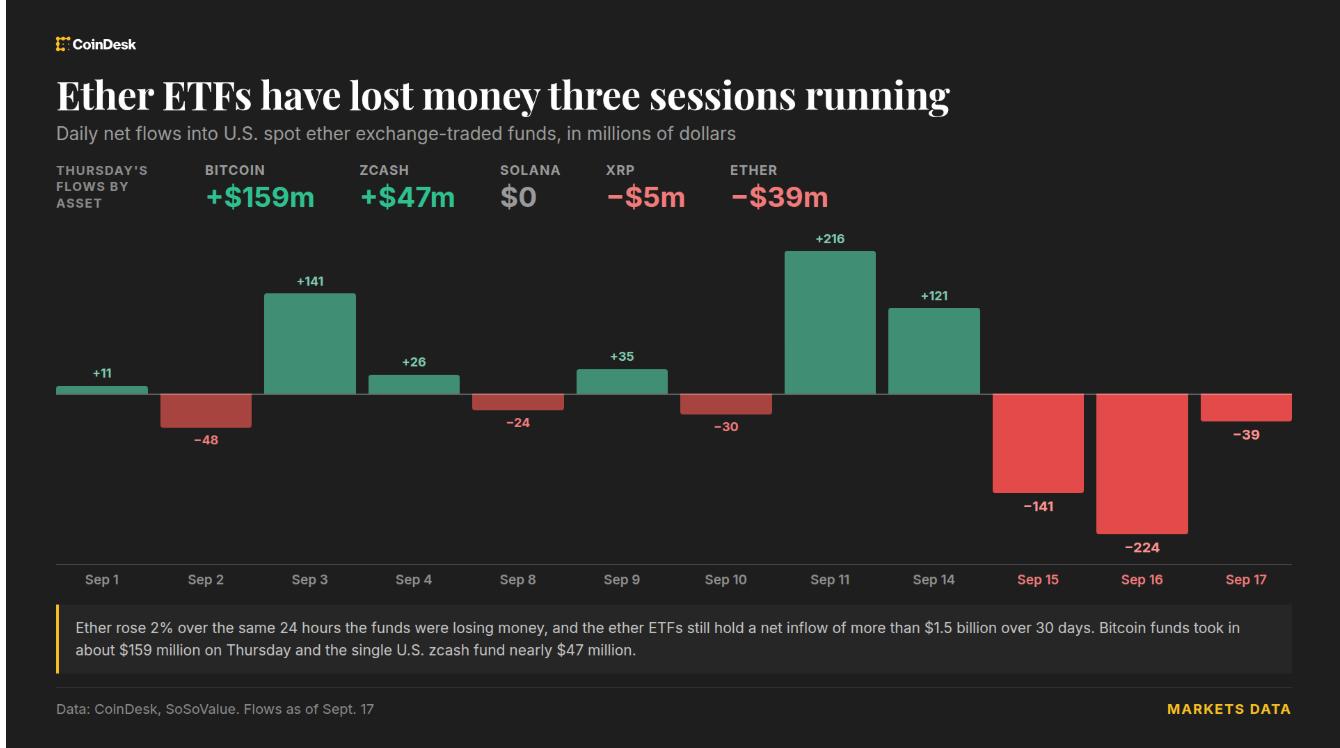
In March 2026, the Ether and XRP ETFs reported net outflows while Bitcoin’s price climbed above $77,000. The outflows indicated that investors were pulling money from funds tied to Ether and XRP, perhaps because they preferred direct exposure to Bitcoin’s rally or were reallocating to other strategies. This example shows how ETF flows can diverge from the broader market movement of individual cryptocurrencies.
What This Means for You
If you are looking to earn passive income through crypto, an ETF can offer a simpler, more regulated entry point. However, you should be aware that:
- ETF performance is linked to the price of the underlying crypto, so you share the same upside and downside risk.
- Outflows can lead to the fund selling assets, potentially at unfavorable prices, which may affect the fund’s net asset value (NAV).
- Fees—management fees, trading commissions, and custody costs—are deducted from the fund’s assets, reducing your return.
Understanding the flow dynamics helps you gauge whether an ETF is likely to remain stable or become volatile in response to market events.
How to Evaluate a Crypto ETF Before Investing
- Check the fund’s structure: Determine if it is physically backed (holds the actual crypto) or synthetically backed (uses derivatives). Physical backing generally offers more transparency.
- Review the expense ratio: Lower fees mean more of the fund’s returns stay in your pocket.
- Look at liquidity: High daily trading volume and tight bid‑ask spreads make it easier to enter or exit positions without large price slippage.
- Assess custodial arrangements: Reputable custodians reduce the risk of theft or loss of the underlying assets.
- Monitor recent inflows and outflows: Large, sustained outflows may signal waning investor confidence.
FAQ
Do crypto ETFs pay dividends or interest?
Most crypto ETFs do not pay regular dividends because the underlying assets (cryptocurrencies) typically do not generate income. Some ETFs that hold crypto‑related stocks or bonds might distribute earnings, but pure crypto ETFs usually rely on price appreciation for returns.
Can I hold a crypto ETF in a tax‑advantaged account?
In many jurisdictions, ETFs are eligible for inclusion in retirement or other tax‑advantaged accounts, but the specific rules vary. Check with your tax advisor or account provider to confirm eligibility.
Is an ETF safer than buying the cryptocurrency directly?
“Safer” depends on the risk you are comfortable with. ETFs add a layer of regulatory oversight and eliminate the need to manage private keys, but they still expose you to the price volatility of the crypto itself and to fund‑specific risks such as management errors or liquidity constraints.
What triggers an ETF to liquidate its holdings?
If redemption requests exceed the fund’s cash reserves, the manager may sell portions of the underlying crypto to meet those requests. This can happen during periods of heavy outflows, especially if the fund’s assets are not highly liquid.
This article references reporting from coindesk.com.