Are you wondering why the price of a cryptocurrency can swing after a futures contract is announced? This article explains how futures listings work, why they matter to institutional investors, and what the ripple effects can mean for everyday earners.
What are crypto futures and how do they work?
A futures contract is a standardized agreement to buy or sell an asset at a predetermined price on a specific future date. In the crypto world, a futures contract lets traders speculate on the price of a coin without actually owning it. The contract is settled in cash or, in some cases, the underlying cryptocurrency.
Key terms:
- Long position: betting that the price will rise.
- Short position: betting that the price will fall.
- Margin: collateral posted to cover potential losses.
- Regulated exchange: a marketplace that follows government rules, such as the CME Group in the United States.
Because the contract is settled in cash, traders can gain exposure to price movements without needing to store the digital asset in a wallet. This is especially important for institutions that have policies prohibiting direct custody of crypto.
Why does a futures listing matter?
When a regulated exchange announces that it will list futures for a particular coin, two main things happen. First, institutional investors gain a compliant way to gain exposure, expanding the pool of potential capital. Second, market makers obtain a venue to hedge existing positions, which can reduce price volatility in the spot market.
Hedging means that a market maker who holds the actual coin can offset risk by taking the opposite side in the futures market. This activity often narrows the spread between the highest price a buyer is willing to pay (bid) and the lowest price a seller will accept (ask), leading to tighter pricing.
Real‑world illustration
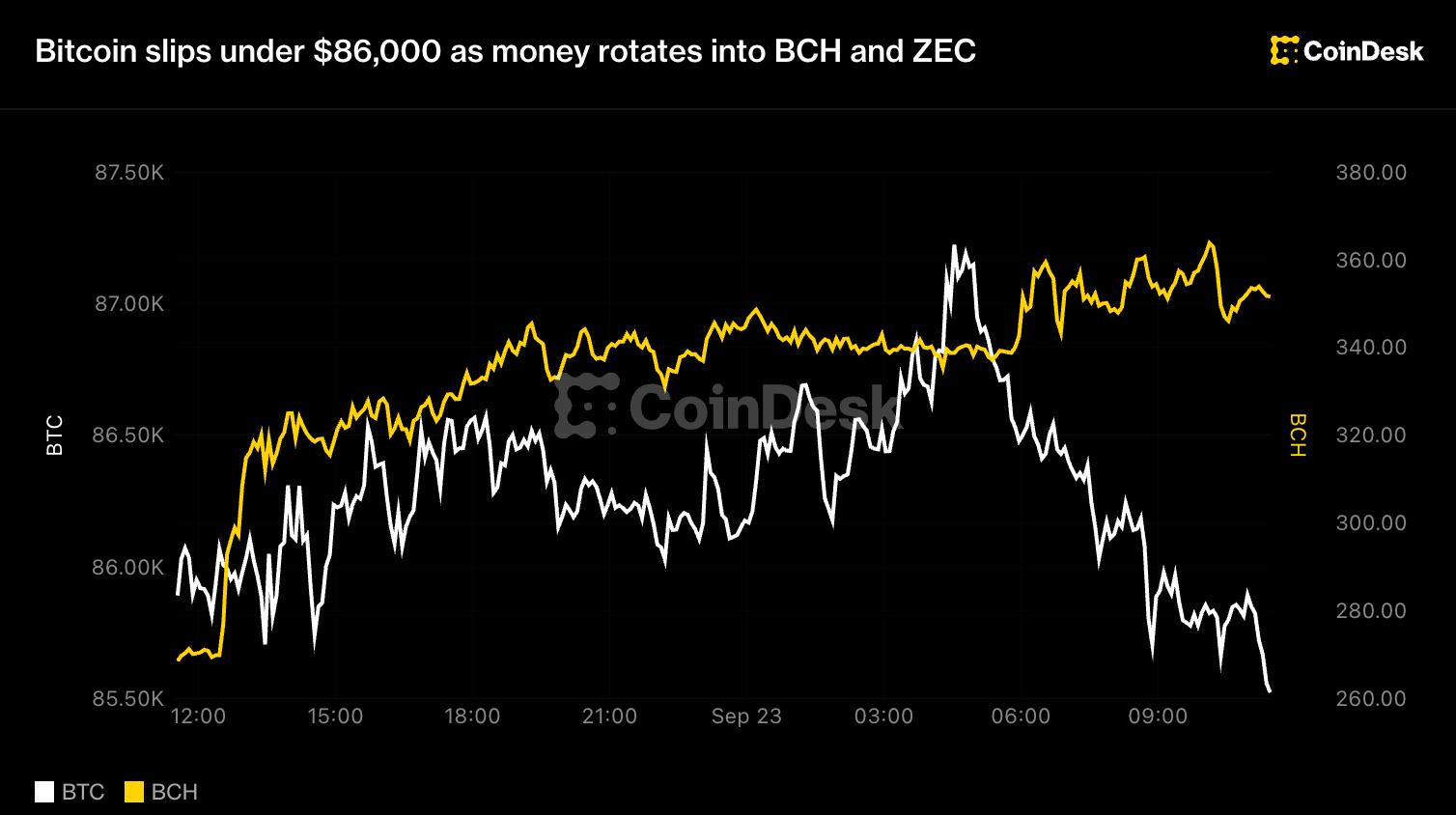
In March 2026, the CME Group announced that it would list futures for Bitcoin Cash (BCH) and Uniswap starting on October 19. Within 24 hours, BCH surged 28% to nearly $349, while Bitcoin (BTC) slipped slightly below $86,000. Analysts noted that the futures listing gave funds a “way to take a position without holding the coin,” prompting a shift of speculative capital from Bitcoin to altcoins such as BCH and Zcash (ZEC).
This example shows how a single regulatory development can move money between assets, affect spot prices, and create short‑term opportunities for traders.
What it means for you as an online earner
If you earn passive income through crypto staking, mining, or cloud‑based reward platforms, futures listings can indirectly influence the value of the assets you hold. A new futures market may boost demand for a coin, raising its price and potentially increasing the fiat value of your rewards. Conversely, capital flowing out of a leading coin like Bitcoin can cause a temporary dip, which might affect the profitability of mining operations that depend on BTC price levels.
Understanding these dynamics helps you anticipate price movements and decide whether to reallocate earnings, lock in profits, or diversify into assets that are gaining institutional interest.
How to evaluate a futures listing before reacting
- Check the exchange’s regulatory status. Listings on regulated venues (e.g., CME, CBOE) usually signal higher institutional confidence.
- Assess the contract specifications. Look at the contract size, settlement method, and expiration dates to gauge liquidity and risk.
- Monitor market maker activity. Increased open interest (the total number of outstanding contracts) often precedes tighter spot pricing.
- Watch the underlying asset’s fundamentals. A futures listing alone does not guarantee long‑term price appreciation; consider the coin’s use case, development roadmap, and community support.
FAQ
Do futures contracts affect the price of the actual cryptocurrency?
Yes, especially when they are listed on a major regulated exchange. They provide a new source of demand and a hedging tool for market makers, which can tighten spot market spreads and move prices.
Can I trade crypto futures without a margin account?
Most futures platforms require a margin account because the contracts are leveraged. Some retail platforms offer “unleveraged” futures that function more like binary bets, but they still involve risk.
Is it safe for a small investor to use futures to gain exposure?
Futures are inherently riskier than holding the asset outright because they involve leverage and the possibility of margin calls. Small investors should start with a modest position, fully understand margin requirements, and be prepared for rapid losses.
Will a futures listing always cause a price jump for the underlying coin?
Not necessarily. While many listings generate short‑term buying pressure, long‑term price performance depends on broader market sentiment, adoption, and the coin’s fundamentals.
This article references reporting from coindesk.com.