Ever wondered how Bitcoin options can affect the price you see on the exchange, or what it means when a market’s options book is “call‑heavy”? This article explains the basics of Bitcoin options, how settlement works, and why the balance between calls and puts matters for anyone looking to earn or trade crypto.
What Bitcoin Options Are and How They Function
An option is a contract that gives the holder the right, but not the obligation, to buy or sell an underlying asset at a predetermined price before a certain date. In the case of Bitcoin, the underlying asset is the cryptocurrency itself. There are two types of options:
- Call options – give the buyer the right to purchase Bitcoin at the strike price.
- Put options – give the buyer the right to sell Bitcoin at the strike price.
The price you pay for the contract is called the premium. If the market moves in the direction that makes the option valuable (above the strike for calls, below for puts), the holder can either exercise the option or sell the contract for a profit. If the market moves the other way, the option expires worthless and the buyer loses only the premium.
Options are settled in two main ways: physical settlement, where actual Bitcoin changes hands, and cash settlement, where the difference between the market price and the strike price is paid in cash (or a stablecoin). Most Bitcoin options on major exchanges settle in cash, which simplifies the process and reduces the need for moving large amounts of Bitcoin.
Understanding Quarterly Options Settlements
Many Bitcoin options have a quarterly expiry cycle – March, June, September, and December. At the end of each quarter, all open contracts are settled based on the settlement price, which is usually derived from a volume‑weighted average price (VWAP) of Bitcoin across several major exchanges during a specific window.
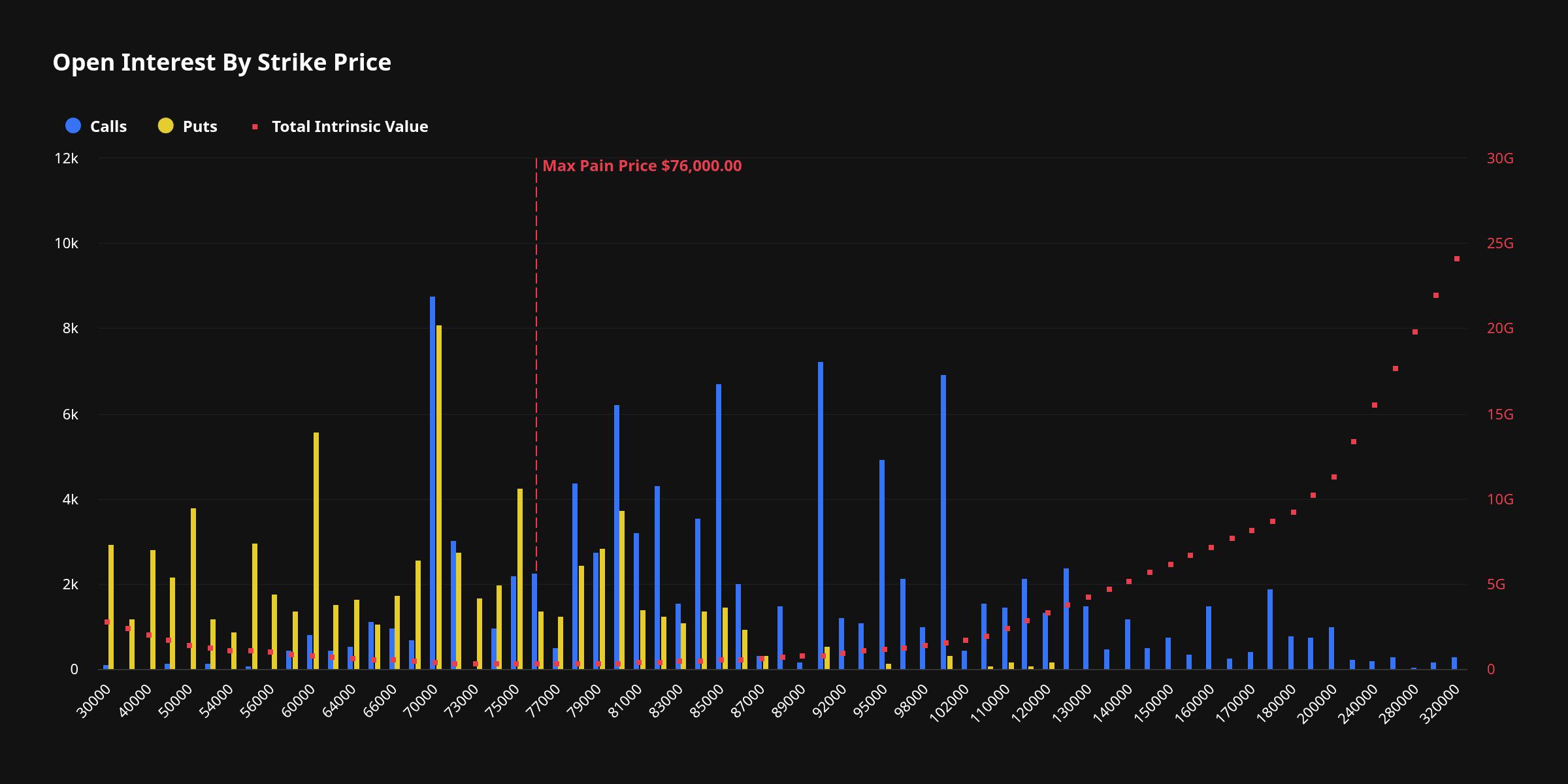
The total notional value of all contracts that settle in a quarter can be substantial. For example, in a recent quarter, the settlement amount reached $16 billion, indicating a large amount of capital locked in these contracts.
What a “Call‑Heavy” Book Means
A “call‑heavy” book simply means that, at the time of settlement, there are more open call contracts than put contracts, or the total notional value of calls exceeds that of puts. This imbalance can signal market participants’ expectations:
- More traders anticipate Bitcoin’s price will rise (hence buying calls).
- Hedgers may be protecting long Bitcoin positions by buying calls.
- Speculators might be betting on upward price movement.
When a call‑heavy book is large, the settlement process can create upward pressure on Bitcoin’s price, especially if many call holders decide to exercise or roll over their positions.
Real‑World Illustration
In March 2026, the Bitcoin market saw a $16 billion quarterly options settlement that was described as “call‑heavy.” This meant that the majority of open contracts at the quarter’s end were calls, indicating that traders collectively expected the price to move higher. The settlement process, based on the VWAP of Bitcoin across major venues, contributed to a modest price uptick as some call holders exercised or rolled their positions into the next quarter.
What It Means for You: Earning and Trading Implications
If you are looking to earn passive income through crypto, understanding options can help you:
- Generate yield by selling call or put premiums on platforms that allow you to write (sell) options. The premium you collect is immediate income, though it comes with the risk of having to deliver or buy Bitcoin at the strike price.
- Hedge exposure if you already own Bitcoin. Buying calls can protect against a sudden price rise that you might miss, while buying puts can protect against a drop.
- Gauge market sentiment. A call‑heavy options book suggests bullish expectations, which can inform your own trading decisions.
However, options are leveraged instruments. The premium you receive as a seller can be small relative to the potential loss if the market moves sharply against you. Always consider the risk of losing more than the premium received.
How to Evaluate an Options Market Before You Participate
- Check the open interest. This metric shows the total number of outstanding contracts. High open interest indicates liquidity, making it easier to enter or exit positions.
- Look at the call‑put ratio. A ratio above 1 means more calls than puts; below 1 means more puts. Extreme ratios may signal over‑optimism or over‑pessimism.
- Review the settlement price methodology. Knowing how the price is calculated helps you anticipate potential settlement outcomes.
- Assess your risk tolerance. Decide whether you want to sell premiums (higher risk) or buy options (limited risk, higher cost).
- Consider platform security. Use exchanges that employ robust custodial solutions and transparent settlement processes.
FAQ
What happens if I hold a call option that expires in‑the‑money?
If the Bitcoin price at settlement is above your strike price, the option is “in‑the‑money.” On a cash‑settled contract, you receive the difference between the market price and the strike price, multiplied by the contract size. If you choose to exercise a physically settled call, you would buy Bitcoin at the strike price.
Can I lose more than the premium I paid for an option?
When you buy an option (call or put), the most you can lose is the premium you paid. However, if you sell (write) an option, your potential loss can exceed the premium received, especially if the market moves far beyond the strike price.
Why do some traders prefer quarterly options over weekly ones?
Quarterly options have longer time horizons, allowing traders to capture broader market moves and earn larger premiums. They also align with typical financial reporting cycles, making settlement calculations more predictable.
Is selling covered calls a safe way to earn passive income?
Covered calls involve owning the underlying Bitcoin and selling call options against it. This can generate steady premium income, but you limit upside potential because if Bitcoin’s price rises above the strike, you must sell your Bitcoin at that lower price.
This article references reporting from coindesk.com.