Are you curious about how traditional stocks and bonds can exist on a blockchain? This article explains the concept of tokenized securities, how they differ from regular crypto tokens, and what you need to know before considering them as part of your online earning strategy.
What are tokenized securities?
Tokenized securities are digital representations of real‑world financial assets such as stocks, bonds, or private equity shares. Each token is linked to a specific legal claim on the underlying asset, meaning the holder owns a fraction of the real security. The token lives on a blockchain, which provides transparent, immutable record‑keeping and the ability to transfer ownership with a few clicks.
Key terms:
- Security: Any tradable financial instrument that represents ownership (equity), a creditor relationship (debt), or rights to profits.
- Tokenization: The process of converting a traditional security into a blockchain‑based token.
- RWA (Real‑World Asset): Any asset that exists outside the crypto ecosystem—real estate, commodities, private company shares, etc.
- Programmable infrastructure: Smart‑contract code that automates actions such as dividend distribution, voting, or compliance checks.
How tokenized securities actually work
First, a regulated entity—often a broker‑dealer or a custodial firm—creates a legal wrapper around the real asset. This wrapper ensures that the token complies with securities laws in the relevant jurisdiction. The entity then issues digital tokens on a blockchain, each representing a defined portion of the underlying security.
When you buy a token, you are not purchasing a speculative crypto coin; you are buying a legally recognized share of the underlying asset. The token’s smart contract records your ownership, and any corporate actions (like dividend payouts) are executed automatically according to the contract’s rules.
Because the ledger is public, ownership transfers can be verified instantly, reducing settlement times from days to minutes. However, the token must still be cleared through the issuer’s compliance system to ensure the buyer meets investor qualifications (e.g., accredited investor status for private securities).
Real‑world example
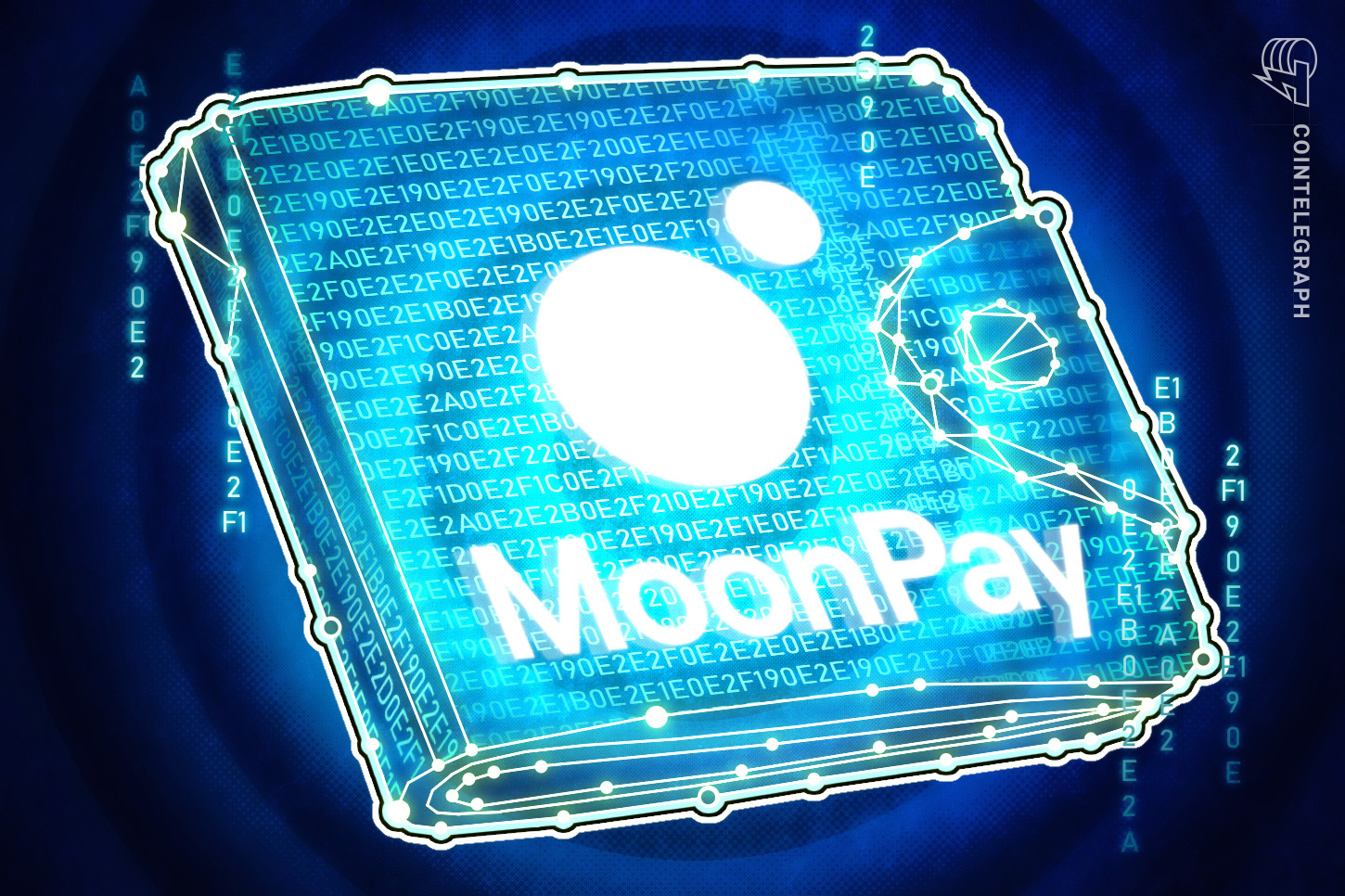
In September 2026, MoonPay announced an all‑stock acquisition of North Capital, a U.S. broker‑dealer that operates an alternative trading system (ATS) and provides transfer‑agent services. The deal, valued at more than $60 million, gives MoonPay direct access to regulated infrastructure for issuing, custody, and secondary trading of tokenized securities. This move illustrates how traditional finance firms are building the “modern, programmable infrastructure” needed to bring real‑world assets onto blockchains.
What it means for you
If you are looking to earn online through crypto‑related activities, tokenized securities open a new avenue that blends traditional investing with blockchain convenience. You can potentially earn passive income from dividends, interest, or rental yields, just as you would with conventional securities, but with faster settlement and lower custodial fees.
At the same time, tokenized securities remain subject to the same regulatory requirements as their traditional counterparts. This means you may need to meet accreditation standards, complete Know‑Your‑Customer (KYC) checks, and accept that the assets are not as liquid as major cryptocurrencies.
What to check before you dive in
- Regulatory compliance: Verify that the token issuer is registered with the appropriate securities regulator (e.g., the U.S. SEC).
- Legal wrapper: Ensure the token is backed by a clear legal agreement that defines your rights as a security holder.
- Custody solution: Choose platforms that provide insured custody for the underlying assets.
- Liquidity: Look for secondary markets or ATS platforms that support trading of the token.
- Fees: Compare issuance, custody, and trading fees against traditional brokerage costs.
FAQ
Are tokenized securities the same as regular crypto tokens?
No. Regular crypto tokens usually represent utility or governance rights within a blockchain project, whereas tokenized securities represent a legal claim on a real‑world financial asset.
Do I need to be an accredited investor to buy tokenized securities?
It depends on the type of security. Private‑company shares and certain debt instruments often require accreditation, while tokenized public equities may be available to all investors.
Can I earn passive income from tokenized securities?
Yes. If the underlying asset generates cash flow—such as dividends from a stock or rent from a tokenized property—you can receive those payments automatically through the token’s smart contract.
What risks are involved?
Risks include regulatory changes, smart‑contract bugs, limited liquidity, and the usual market risk associated with the underlying asset. Always assess your risk tolerance and consider diversifying across different asset classes.
This article references reporting from cointelegraph.com.