Ever wonder how you could own a slice of a company without opening a traditional brokerage account? This article explains the basics of tokenized stocks, how they differ from regular shares, and what you need to consider before adding them to your portfolio.
What are tokenized stocks?
Tokenized stocks are digital representations of real‑world equities that live on a blockchain or other distributed ledger. Each token is linked to an underlying share of a listed company, meaning the token holder is entitled to the same economic rights—such as dividends and voting power—provided the token is structured to mirror the actual security.
The token itself is a cryptographic asset that can be transferred, stored in a crypto wallet, and traded 24/7 on compatible platforms. Because the token exists on a blockchain, transactions are recorded in an immutable ledger, offering transparency and near‑instant settlement compared with the traditional settlement cycle that can take two business days.
There are three common models for tokenizing equities:
- Issuer‑native tokens: The company issues its own blockchain‑based shares, which are directly registered on the ledger.
- Custodial tokens: A regulated custodian holds the actual shares and issues corresponding tokens that represent ownership.
- Derivative tokens: The token reflects exposure to the stock’s price movement but does not confer shareholder rights.
The model chosen determines how much actual ownership you have versus how easily you can trade the token.
How does the process work?
First, a regulated entity—often a broker‑dealer or a specialized tokenization platform—acquires the real shares from the market. Those shares are then placed in a custodial account that complies with securities regulations. The platform mints a matching number of tokens on a blockchain, each token representing one share (or a fractional portion of a share).
When you purchase a token, the platform updates its internal ledger to reflect that you now own the corresponding share. If the token follows the custodial model, the custodian’s records also show the transfer of ownership. Because the token lives on a public or permissioned blockchain, you can move it to any compatible wallet, and you can sell it on a digital exchange that supports the token.
Settlement is typically immediate: the blockchain records the transfer as soon as the transaction is confirmed. This contrasts with the traditional “T+2” settlement period, where the trade is executed today but the actual exchange of securities and cash occurs two business days later.
Real‑world example
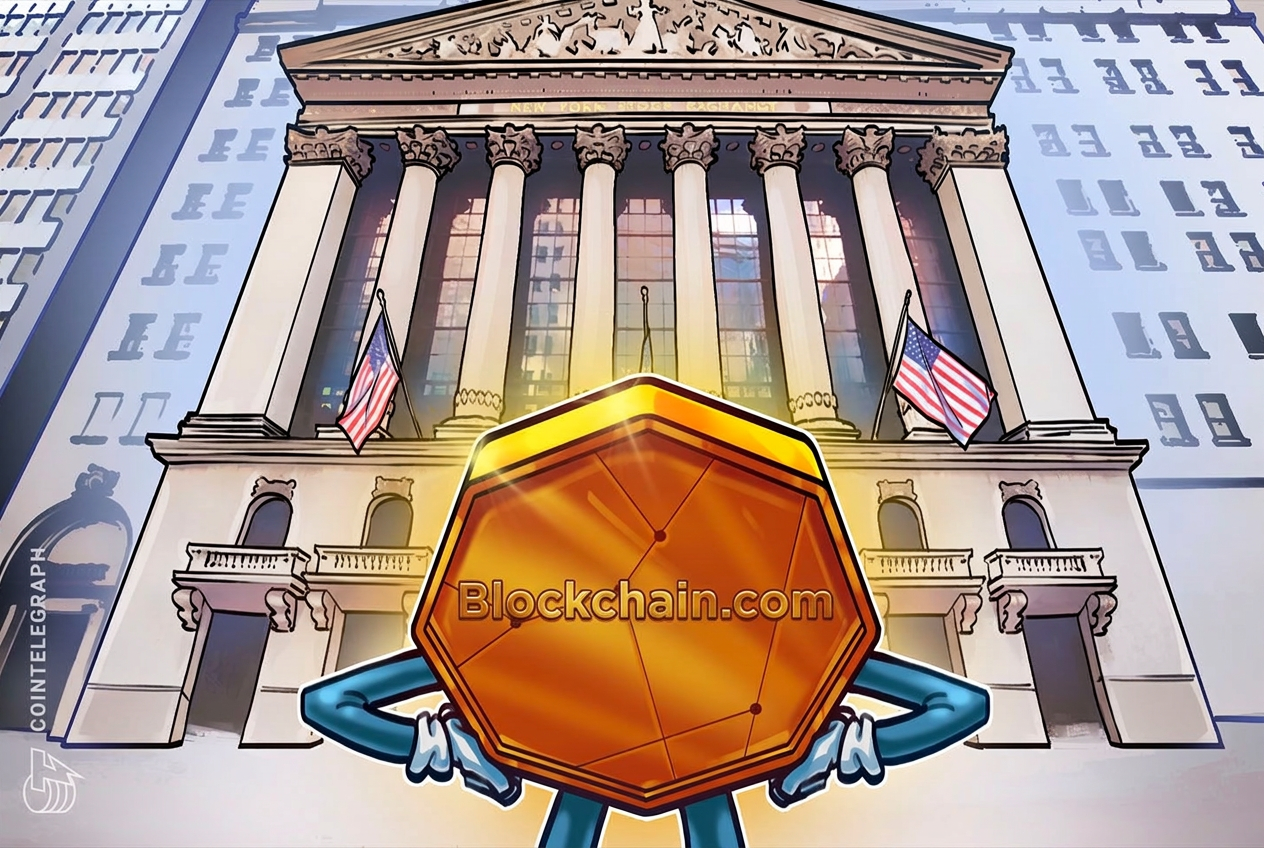
In September 2026, the New York Stock Exchange (NYSE) and the crypto platform Blockchain.com signed a memorandum of understanding to bring tokenized U.S. stocks and exchange‑traded funds (ETFs) to Blockchain.com’s global users. Under the agreement, Blockchain.com would distribute tokenized equities that trade on NYSE’s planned digital alternative trading system (ATS), pending regulatory approval. The partnership also includes an exchange of market data, allowing both parties to enrich their platforms with each other’s analytics.
This collaboration illustrates how a traditional exchange is creating a dedicated digital venue for tokenized securities, while a crypto‑focused service is extending its product suite to include regulated equity exposure. It also shows the trend of “true weekend trading,” where tokenized stocks can be bought and sold outside regular market hours, offering continuous liquidity to retail investors.
What it means for you
Tokenized stocks open up several possibilities for everyday investors:
- Continuous trading: You can trade tokens 24/7, including weekends and holidays, which may help you react to news events that occur outside normal market hours.
- Fractional ownership: Tokens can represent fractions of a share, allowing you to invest small amounts in high‑price stocks like Amazon or Tesla.
- Simplified access: If you already have a crypto wallet, you can hold tokenized stocks alongside your other digital assets without opening a separate brokerage account.
- Potential for programmable features: Tokens can embed smart‑contract logic, such as automatic dividend distribution or token‑based voting.
However, tokenized stocks also carry risks. Regulatory frameworks are still evolving, and not all token models grant full shareholder rights. Liquidity can vary widely between platforms, and the price of a token may diverge from the underlying stock if market participants trade the token in a less efficient environment.
What to check before you invest
- Regulatory compliance: Verify that the token issuer is registered with the relevant securities regulator and that the token complies with the “same rights and privileges” rule for the underlying share.
- Token model: Determine whether the token is issuer‑native, custodial, or a derivative. Custodial tokens generally provide actual ownership, while derivative tokens may only offer price exposure.
- Liquidity sources: Look at which exchanges list the token and whether they provide market‑making or automated market maker (AMM) pools. Higher liquidity reduces the risk of large price slippage.
- Custody and security: Ensure the platform uses reputable custodians for the underlying shares and offers secure wallet options for the tokens.
- Fees and settlement: Compare trading fees, custody fees, and any additional costs for converting tokens back to traditional shares if needed.
FAQ
Do tokenized stocks give me voting rights?
Only if the token is structured to convey the same rights as the underlying share. Custodial tokens typically do, while many derivative tokens do not.
Can I hold tokenized stocks in a regular crypto wallet?
Yes, most tokenized equities are built on popular blockchain standards (e.g., ERC‑20) and can be stored in any compatible wallet, provided you keep the private keys secure.
What happens if the platform that issued the token goes out of business?
If the token is custodial, the underlying shares should remain with a regulated custodian, protecting your ownership. For issuer‑native tokens, the risk is higher because the token’s existence depends on the issuer’s continued operation.
Are tokenized stocks taxed the same as regular shares?
In most jurisdictions, tokenized stocks are treated as securities for tax purposes, meaning capital gains and dividend income are reported similarly to traditional shares. Always consult a tax professional for advice specific to your location.
This article references reporting from cointelegraph.com.