Are you wondering why movements in the U.S. Treasury market seem to push Bitcoin and other cryptocurrencies up or down? This article explains how bond yields affect crypto prices, what that means for miners, and how you can assess the impact on your own online earning strategies.
The plain explanation
Bond yields are the effective interest rates that investors earn from holding government debt, most commonly the U.S. 10‑year Treasury note. When demand for bonds is high, prices rise and yields fall; when demand drops, prices fall and yields rise. Yields matter because they serve as a benchmark for the cost of capital across the entire financial system.
Cryptocurrencies are not directly tied to bond markets, but they compete for the same pool of investor capital. Higher yields make safe‑government bonds more attractive, pulling money away from riskier assets like Bitcoin, Ether, or altcoins. Conversely, when yields fall, the relative appeal of higher‑risk assets improves, often lifting crypto prices.
For miners, the connection runs deeper. Mining profitability depends on two main variables: the price of the mined coin and the cost of financing the hardware and electricity. If bond yields rise, borrowing costs increase, making it more expensive to finance mining rigs or to take on leveraged positions. Higher financing costs squeeze profit margins, even if the coin’s price stays flat.
In short, bond yields act as a macro‑level lever that can shift investor sentiment and financing conditions, both of which ripple through crypto markets and mining operations.
A real example
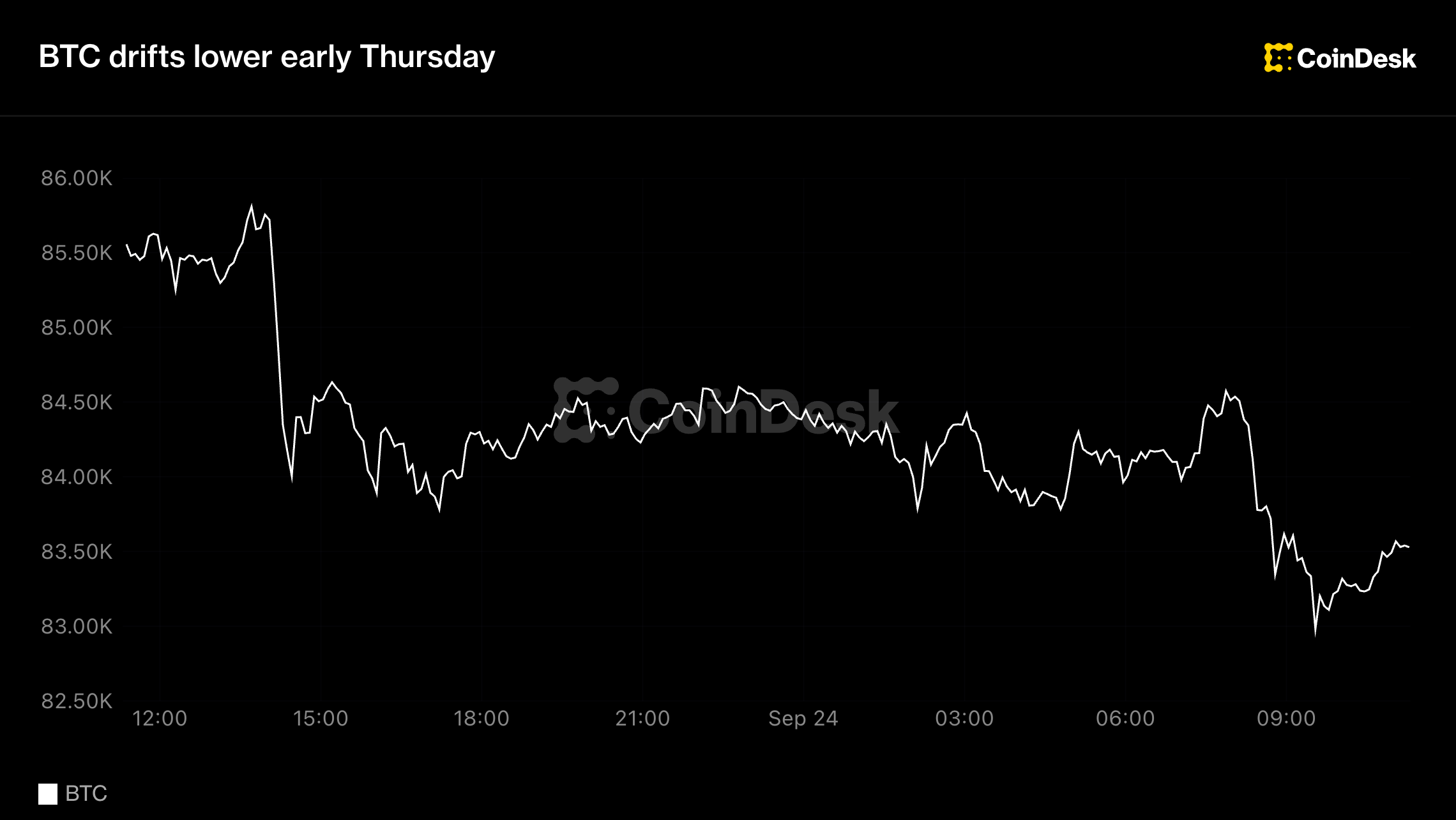
On a Thursday morning in early 2026, Bitcoin was trading around $83,500, down 2.55% over the previous 24 hours. The dip coincided with a sharp increase in the U.S. 10‑year Treasury yield, which surged nearly 20 basis points to its highest level in more than 19 years. At the same time, major stock index futures pointed to further declines, indicating broader risk‑off sentiment. This episode illustrates how a spike in bond yields can coincide with a pullback in crypto prices.
What it means for you
If you earn passive income through crypto staking, mining, or cloud‑based reward platforms, bond‑yield movements can affect your returns in two ways. First, a higher‑yield environment may depress the market price of the coins you hold, reducing the dollar value of any staking or mining rewards. Second, if you finance your mining equipment with loans or use leveraged positions, rising yields increase your interest expenses, directly cutting into net earnings.
Conversely, when yields fall, you may see a boost in crypto prices and lower financing costs, which can improve the profitability of both staking and mining. Understanding this dynamic helps you anticipate periods when your earnings might be squeezed or enhanced.
What to check / how to judge
- Monitor Treasury yields: Track the 10‑year and 2‑year U.S. Treasury rates. Large moves (10+ basis points) often precede shifts in risk‑asset sentiment.
- Assess financing terms: If you have loans for hardware, compare the loan’s interest rate to current Treasury yields. A widening spread signals higher cost pressure.
- Watch crypto market sentiment: Look for correlated moves between bond yields and major crypto price indices. Consistent inverse relationships suggest sensitivity.
- Evaluate cash flow: Model your mining or staking income under different price scenarios and financing costs to see how yield changes affect net profit.
FAQ
Why do higher bond yields make crypto less attractive?
Higher yields increase the return you can earn from a virtually risk‑free asset (government bonds). When that return rises, investors often shift money out of riskier assets like crypto, causing price pressure.
Can I protect my mining earnings from rising yields?
One approach is to minimize debt exposure—use cash or low‑interest financing. Another is to lock in a portion of your earnings in stablecoins when yields rise, reducing exposure to price drops.
Do all cryptocurrencies react the same way to bond yields?
Not exactly. Larger, more established coins like Bitcoin and Ether tend to show a clearer inverse correlation with yields, while smaller altcoins may be driven more by project‑specific news.
Should I stop staking when yields go up?
Staking rewards are paid in the native token, so the dollar value of those rewards can fall if the token price drops due to higher yields. You don’t have to stop staking, but you may want to rebalance your portfolio or take partial profits.
This article references reporting from coindesk.com.