Are you wondering why changes in U.S. Treasury yields seem to move Bitcoin’s price, even though the two assets appear unrelated? This article explains the connection between government bond yields, the broader financial environment, and what that means for anyone trying to earn crypto online.
What Treasury Yields Are and Why They Matter
A Treasury yield is the return investors earn on U.S. government debt. The most watched is the 10‑year yield, which reflects the market’s expectations for future interest rates, inflation, and economic growth. When the yield rises, it signals that investors can earn a higher, virtually risk‑free return from bonds.
Higher yields affect the entire financial system. They raise the cost of borrowing for businesses and consumers, strengthen the U.S. dollar, and often push investors toward assets that offer better returns than low‑yielding bonds. Because Bitcoin is priced in dollars, any factor that makes the dollar more attractive can put downward pressure on Bitcoin’s price.
How Yield Movements Translate Into Bitcoin Price Changes
Bitcoin is often described as a “risk‑on” asset. When safe‑haven yields climb, risk‑on assets become relatively less appealing, and some capital shifts out of Bitcoin into bonds or cash. Conversely, when yields fall, the opportunity cost of holding non‑yield‑bearing assets like Bitcoin drops, making them more attractive.
Two mechanisms drive this relationship:
- Opportunity Cost: Investors compare the potential return from Bitcoin (which is uncertain) with the guaranteed return from a Treasury bond. If the bond return climbs, the “cost” of holding Bitcoin rises.
- Dollar Strength: Higher yields usually support a stronger U.S. dollar because foreign investors buy dollars to purchase U.S. bonds. A stronger dollar makes Bitcoin, which is priced in dollars, more expensive for holders of other currencies, dampening demand.
Real‑World Illustration: September 2026 Yield Spike
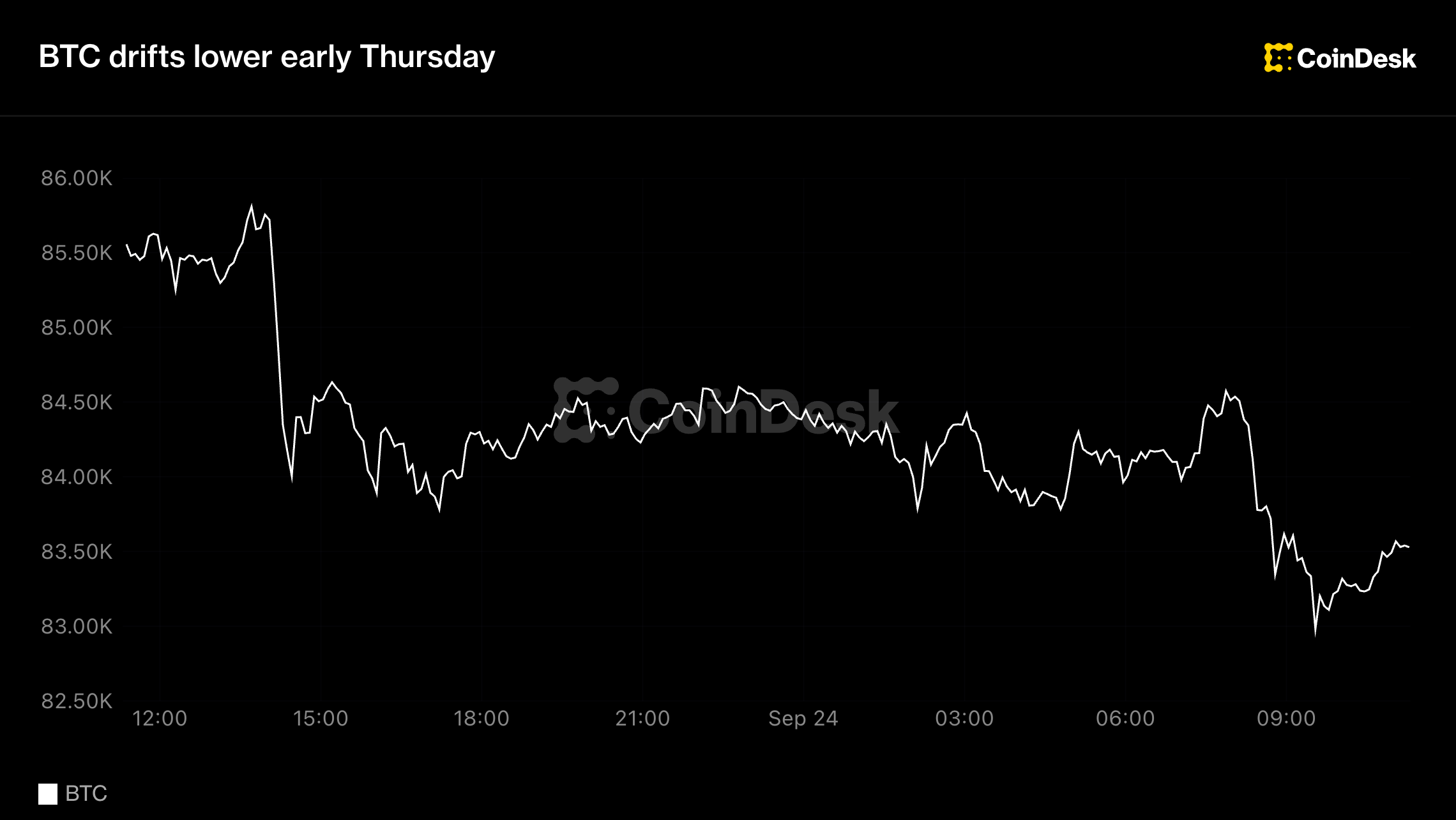
In September 2026 the U.S. 10‑year Treasury yield surged to 5.13% intraday, its highest level since 2007. The rise was driven by strong business data and rising oil prices. As the yield climbed, Bitcoin slipped below $84,000, trading around $83,200 during Asian hours. Analysts noted that the higher yields and a 75% probability of an upcoming Federal Reserve rate hike added pressure on Bitcoin, which had otherwise been holding up well.
What This Means for Your Crypto Earnings
If you earn Bitcoin through mining, staking, or cloud‑reward platforms, the price of Bitcoin directly influences the fiat value of your rewards. A rising Treasury yield can depress Bitcoin’s price, reducing the dollar amount you receive for the same number of coins. Conversely, when yields retreat, Bitcoin often regains momentum, potentially increasing the dollar value of your earnings.
Beyond price, higher yields can affect the cost of financing leveraged positions. Traders who borrow dollars to buy Bitcoin will face higher borrowing costs when rates rise, which can squeeze profit margins and increase the risk of liquidation.
How to Assess the Impact and Protect Your Earnings
- Watch the 10‑year Yield: Track the yield on financial news sites or market dashboards. A sustained move above 4.5% historically correlates with increased pressure on Bitcoin.
- Monitor Fed Rate Expectations: Tools like CME’s FedWatch show the market’s probability of a rate hike. Higher odds often precede yield spikes.
- Diversify Your Income Sources: Combine Bitcoin earnings with other crypto assets that may be less correlated to U.S. rates, such as stablecoin lending or green‑focused projects.
- Consider Dollar‑Denominated Costs: If you use borrowed capital, calculate the effective interest you’ll pay and compare it to your expected Bitcoin return.
- Stay Informed on Macro Data: Strong employment numbers, rising oil prices, or robust GDP growth can all push yields higher, so keep an eye on these indicators.
FAQ
Why does a higher Treasury yield hurt Bitcoin more than other cryptocurrencies?
Bitcoin is the most widely traded crypto and is priced directly in U.S. dollars. Its large market cap means price movements are more sensitive to shifts in dollar‑based risk sentiment than smaller tokens, which often trade against other cryptocurrencies.
Can I earn Bitcoin without being affected by yield changes?
While any Bitcoin‑based earnings will reflect the coin’s market price, you can mitigate exposure by earning stablecoins or by using platforms that pay rewards in assets less tied to dollar‑denominated risk factors.
Do higher yields ever benefit Bitcoin miners?
Higher yields can increase the cost of borrowing for miners who finance equipment with loans, reducing profitability. However, if yields reflect strong economic growth, the resulting increase in overall demand for electricity can improve the economics of renewable‑powered mining operations.
Is there a simple rule of thumb for when to expect Bitcoin price drops?
There is no guarantee, but historically a 10‑year yield above 5% has coincided with periods of Bitcoin price correction. Use the yield as one of several signals rather than a sole predictor.
This article references reporting from cointelegraph.com.