Are you wondering why Bitcoin’s price often moves when Treasury yields rise or fall? This article explains how interest rates and bond yields affect the crypto market, especially mining profitability and passive income opportunities.
What interest rates and bond yields actually are
In the United States, the Federal Reserve (the “Fed”) sets the short‑term policy rate, which influences the cost of borrowing money. Long‑term government bonds, such as the 10‑year Treasury note, have yields that reflect market expectations for future rates, inflation, and economic growth. When investors buy bonds, they lock in a fixed interest payment; the yield is the annual return expressed as a percentage of the bond’s price.
Higher yields mean that holding cash or low‑risk assets becomes more attractive, because you can earn a better return without taking on the volatility of cryptocurrencies. Conversely, lower yields make riskier assets like Bitcoin relatively more appealing, as the opportunity cost of holding them drops.
How yields influence Bitcoin and mining rewards
Bitcoin miners earn two types of income: the block reward (newly minted coins) and transaction fees. Both are measured in Bitcoin, not fiat dollars. To understand profitability, miners convert that Bitcoin into their local currency, which ties earnings to the market price of Bitcoin.
When Treasury yields climb, two forces come into play:
- Opportunity cost: Investors may shift money from Bitcoin into bonds, pushing Bitcoin’s price down. A lower price reduces the fiat value of mining rewards.
- Cost of capital: Many mining operations finance equipment with loans. Higher interest rates increase the cost of those loans, raising the breakeven price for miners.
If the price drop outweighs the higher reward per block, miners may shut down less efficient rigs, which can reduce the network’s hash rate (total computing power). A lower hash rate can eventually lead to a reduction in difficulty, making it easier for remaining miners to earn rewards again. This feedback loop is why Bitcoin’s price often reacts to changes in bond yields.
Real‑world illustration
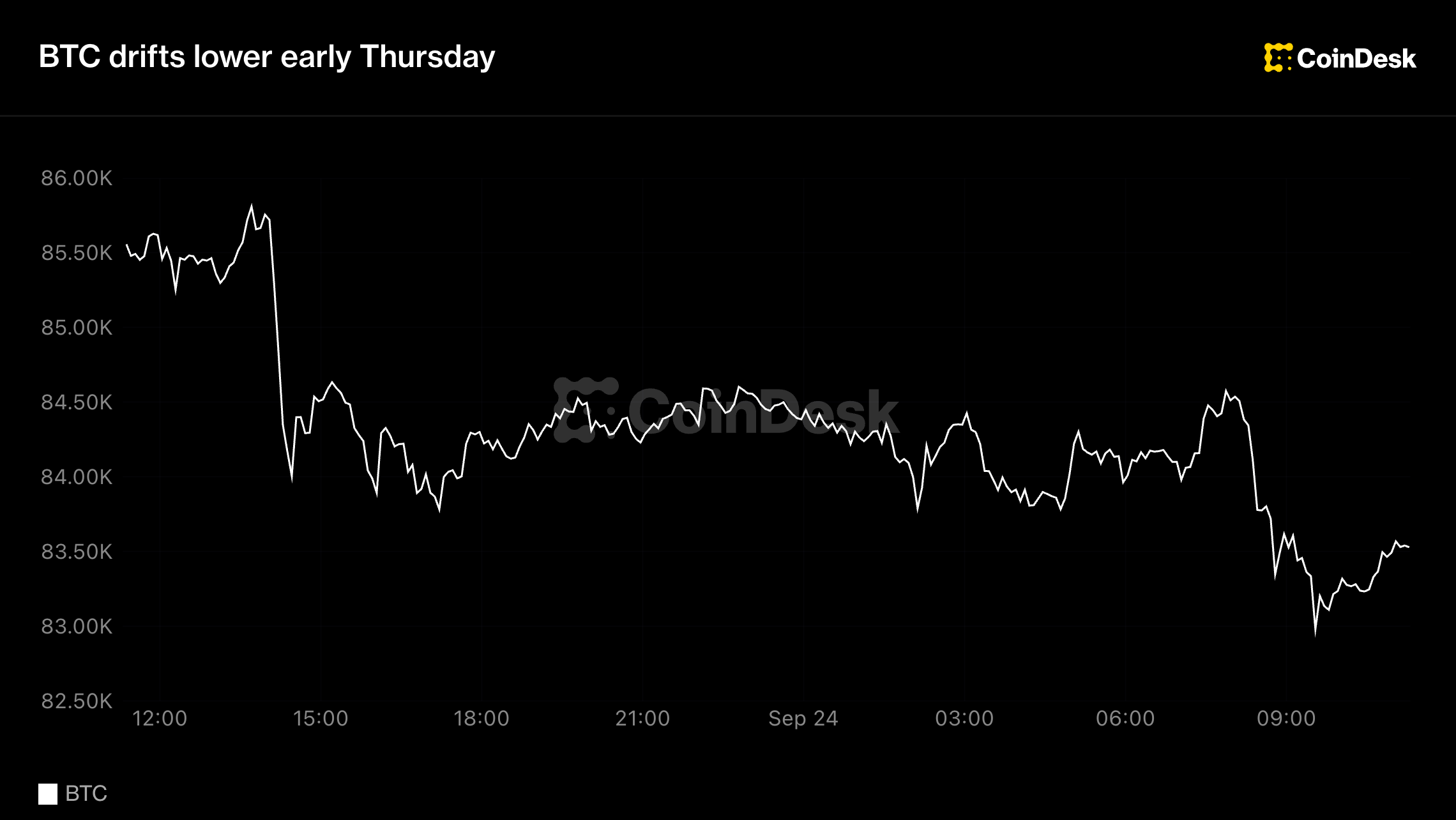
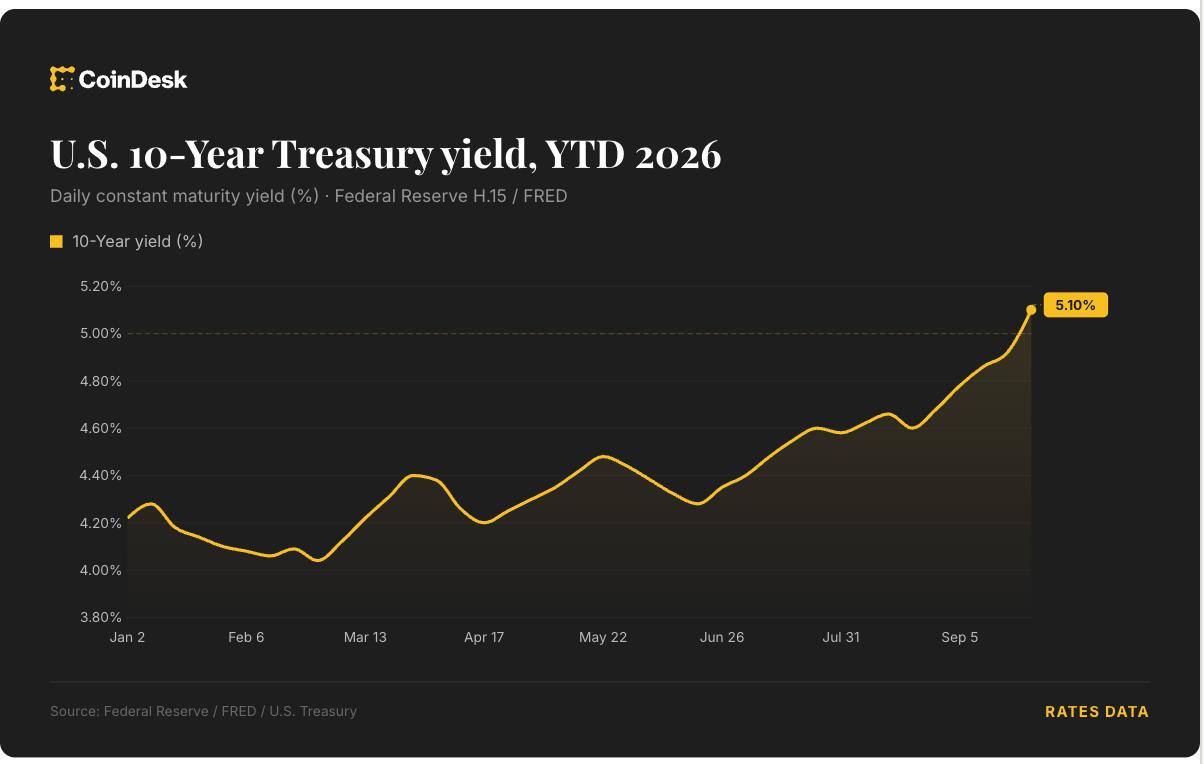
In March 2026, Bitcoin slipped to around $83,300 as U.S. Treasury yields reached their highest level since 2007. Analysts noted that the price movement reflected traders pricing in four additional Fed rate hikes by June 2027. The higher yields made bonds more attractive, prompting some investors to reallocate funds away from Bitcoin, which contributed to the price dip.
What this means for you as an online earner
If you earn passive income through mining, staking, or cloud‑based reward platforms, you should monitor interest‑rate trends. A rising rate environment can compress fiat‑denominated earnings from mining, while staking rewards—often paid in the native token—may be less directly affected. However, the market price of the staked token still matters, so a broad sell‑off triggered by higher yields can reduce your overall return.
For cloud‑reward services that charge fees in fiat, higher borrowing costs can be passed on to users, slightly lowering net payouts. Conversely, if you hold Bitcoin as a long‑term store of value, higher yields could create buying opportunities when prices dip, but they also increase the volatility of your holdings.
How to evaluate the impact before you commit
- Watch the 10‑year Treasury yield: This is the most widely followed benchmark for long‑term rates. Sharp increases often precede crypto price corrections.
- Check miners’ breakeven price: Many analytics sites publish the average cost of mining a Bitcoin in USD. Compare this to the current market price to gauge profitability.
- Assess financing structures: If you’re using rented hash power or loaned equipment, calculate how a 1 % rise in interest rates would affect your monthly costs.
- Consider diversification: Combining mining income with staking or other passive‑income streams can smooth out the impact of rate‑driven price swings.
FAQ
Why does Bitcoin sometimes rise when yields fall?
When yields drop, the return on safe assets like bonds declines, making riskier assets such as Bitcoin more attractive to investors seeking higher yields. This can drive demand and push Bitcoin’s price up.
Do higher yields affect transaction fees?
Transaction fees are set by users and miners based on network demand, not directly by interest rates. However, if a lower Bitcoin price reduces mining profitability, some miners may prioritize higher‑fee transactions, which can increase average fees temporarily.
Can I protect my mining income from rate hikes?
One approach is to lock in a portion of your earnings in stablecoins or fiat when the price is high, reducing exposure to future price drops. Another is to use mining equipment that has a lower electricity cost, which lessens the impact of higher financing expenses.
Is staking safer than mining during a rising‑rate environment?
Staking does not involve hardware costs or loan interest, so it is less sensitive to higher borrowing rates. However, staking rewards are still paid in the token’s native currency, so a price decline caused by higher yields can still affect your fiat‑denominated returns.
This article references reporting from coindesk.com.