Wondering why some large investors keep their crypto positions even when prices tumble? This article explains the factors that drive institutional crypto strategies, how they manage risk, and what those approaches mean for everyday earners.
The basics of institutional crypto investing
Institutions such as endowments, pension funds, sovereign wealth funds, and multi‑family offices treat crypto assets like any other alternative investment. They allocate a small percentage of their overall portfolio—often between 0.5% and 2%—to digital assets, seeking diversification, potential upside, and exposure to emerging technology.
When an institution decides to add crypto, it typically does so through regulated vehicles like spot exchange‑traded funds (ETFs) or exchange‑traded products (ETPs). These products give investors exposure to the underlying token without the operational burden of private custody or direct wallet management. The most common entry point is a Bitcoin‑focused ETF, because Bitcoin is widely regarded as a “store of value” similar to gold.
Risk management for institutions revolves around three pillars:
- Allocation limits: A strict cap on the percentage of total assets that can be invested in crypto, keeping exposure modest.
- Investment thesis: A clear narrative about why the asset should appreciate—e.g., Bitcoin’s scarcity, Ethereum’s role in decentralized finance, or Solana’s high‑throughput blockchain.
- Exit criteria: Pre‑defined triggers that could prompt a sale, such as regulatory changes, a loss of network utility, or a failure of the original thesis.
Real‑world illustration
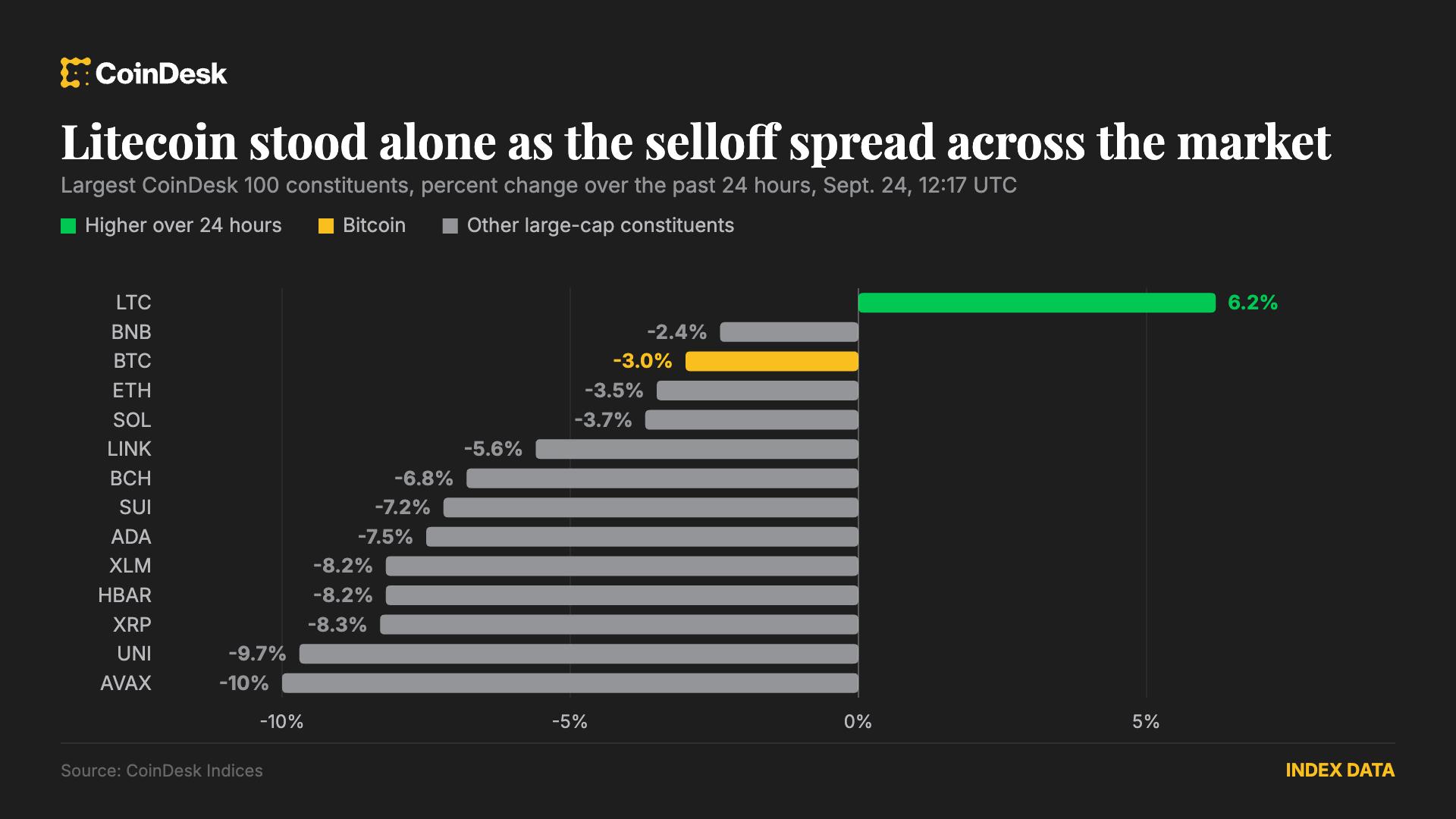
In a report released in September 2026, asset manager Bitwise interviewed 15 institutions that owned crypto during a market decline that began in October 2025. Despite a roughly 50% drawdown, none of the institutions reduced their crypto allocations; several even bought more. Every participant held Bitcoin, usually as their largest and longest‑held position. Ether and Solana were smaller bets, each with specific conditions for exiting if network growth failed to deliver value.
The institutions said falling prices alone would not trigger a sale. Instead, they pointed to potential regulatory reversals, a credibility crisis in the industry, or a breakdown of the investment thesis as reasons to consider exiting. This demonstrates that institutions focus on fundamentals and policy risk rather than short‑term price swings.
What this means for you
If you are looking to earn online through crypto—whether via staking, cloud mining, or token‑based passive income—you can learn from institutional practices:
- Allocate only a modest portion of your total investable capital to crypto, treating it as a high‑risk, high‑potential slice of a diversified portfolio.
- Choose assets with clear use cases and strong network effects. Bitcoin’s scarcity and store‑of‑value narrative makes it a common anchor for many investors.
- Set personal exit rules that go beyond price. Consider factors like regulatory developments, changes in network activity, or shifts in the technology’s adoption curve.
How to evaluate a crypto investment
When assessing whether a token fits your earning strategy, run through this quick checklist:
- Purpose and utility: Does the token power a network that solves a real problem (e.g., payments, smart contracts, high‑speed transactions)?
- Regulatory environment: Are there clear guidelines or pending legislation that could affect the token’s use or its custodial solutions?
- Liquidity and access: Can you buy or sell the token easily through regulated ETFs, reputable exchanges, or trusted custodians?
- Risk controls: Have you defined a maximum allocation and clear exit triggers based on non‑price criteria?
- Community and development: Is there an active developer community and a roadmap that supports long‑term growth?
FAQ
Why do institutions prefer Bitcoin over other tokens?
Bitcoin is the longest‑standing cryptocurrency and is widely viewed as a digital analogue to gold. Its fixed supply, high liquidity, and established regulatory treatment make it a lower‑risk entry point compared to newer, more speculative tokens.
Can I use a crypto ETF to earn passive income?
Yes. Some crypto ETFs distribute dividends or interest from underlying staking or lending activities. However, the yields are typically modest and subject to market conditions, so treat them as part of a broader diversification strategy.
What regulatory signals should I watch for?
Key indicators include new securities rulings, changes to tax treatment, or official guidance on custody and custodial services. A sudden regulatory reversal can impact token prices and the viability of certain earning mechanisms.
How often should I rebalance my crypto allocation?
Rebalancing frequency depends on your risk tolerance and market conditions. Many institutions review allocations quarterly, adjusting only if their underlying thesis or regulatory landscape changes significantly.
This article references reporting from cointelegraph.com.