Do you wonder why Bitcoin and other cryptocurrencies sometimes move in tandem with the bond market? This article explains how interest rates affect crypto prices, what that means for your online earnings, and how to evaluate the risk when rates shift.
What interest rates are and how they interact with crypto
Interest rates are the cost of borrowing money, set primarily by a country’s central bank. In the United States, the benchmark is the yield on the 10‑year Treasury note. When the yield rises, borrowing becomes more expensive, and investors often shift money toward assets that promise a stable return, such as bonds or the U.S. dollar.
Cryptocurrencies are not tied to any government or central bank, but they still compete for investors’ capital. Higher yields make traditional fixed‑income assets more attractive, so some investors sell riskier assets—including crypto—to reallocate funds. This selling pressure can push crypto prices lower, even though the assets themselves have no direct link to bond yields.
Conversely, when yields fall, the opportunity cost of holding non‑yield‑bearing assets like Bitcoin drops. Investors may then look for higher‑potential returns elsewhere, which can lift crypto prices. The relationship is not perfect, but it is a recurring pattern that helps explain many short‑term price moves.
Real‑world illustration
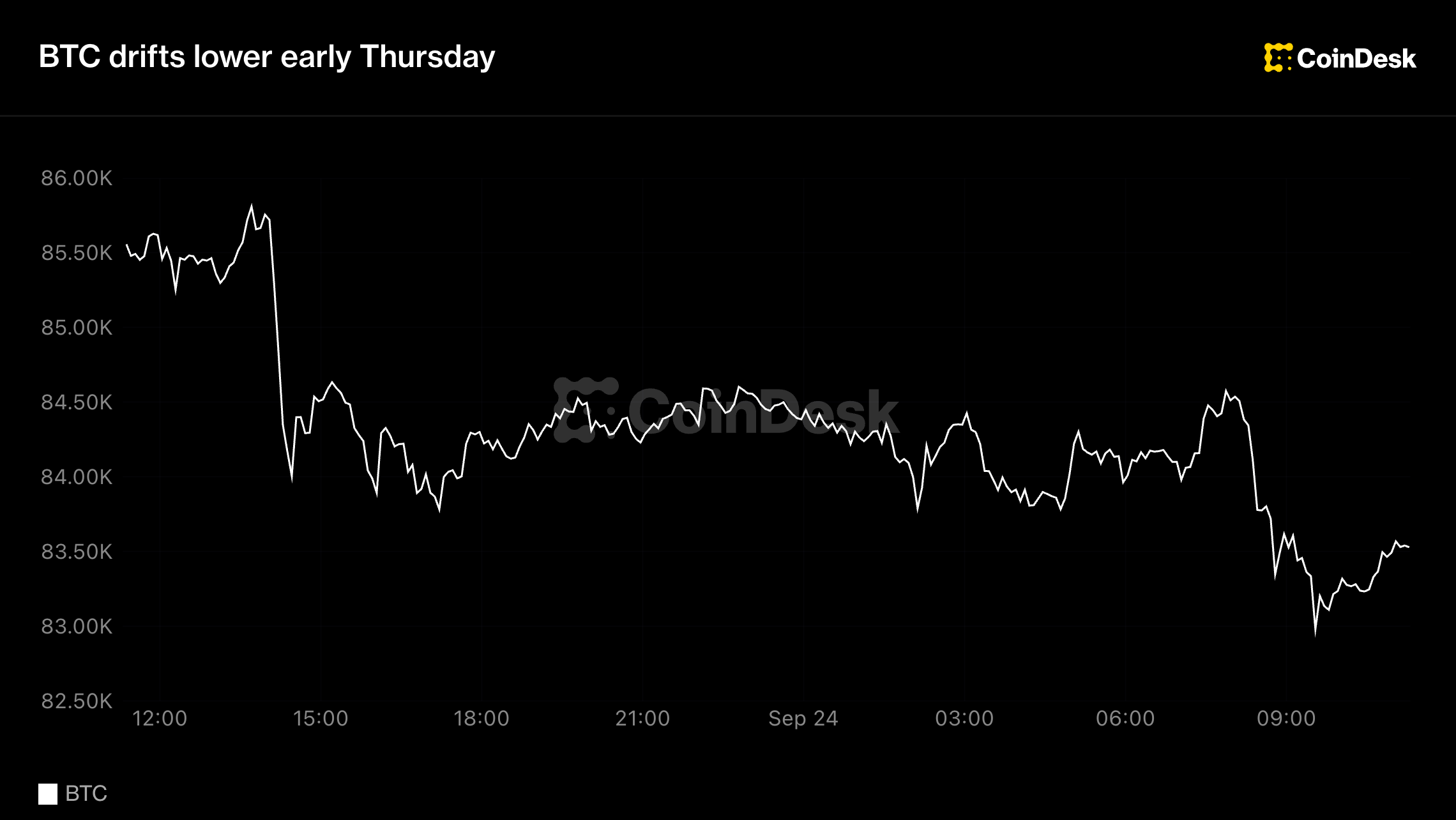
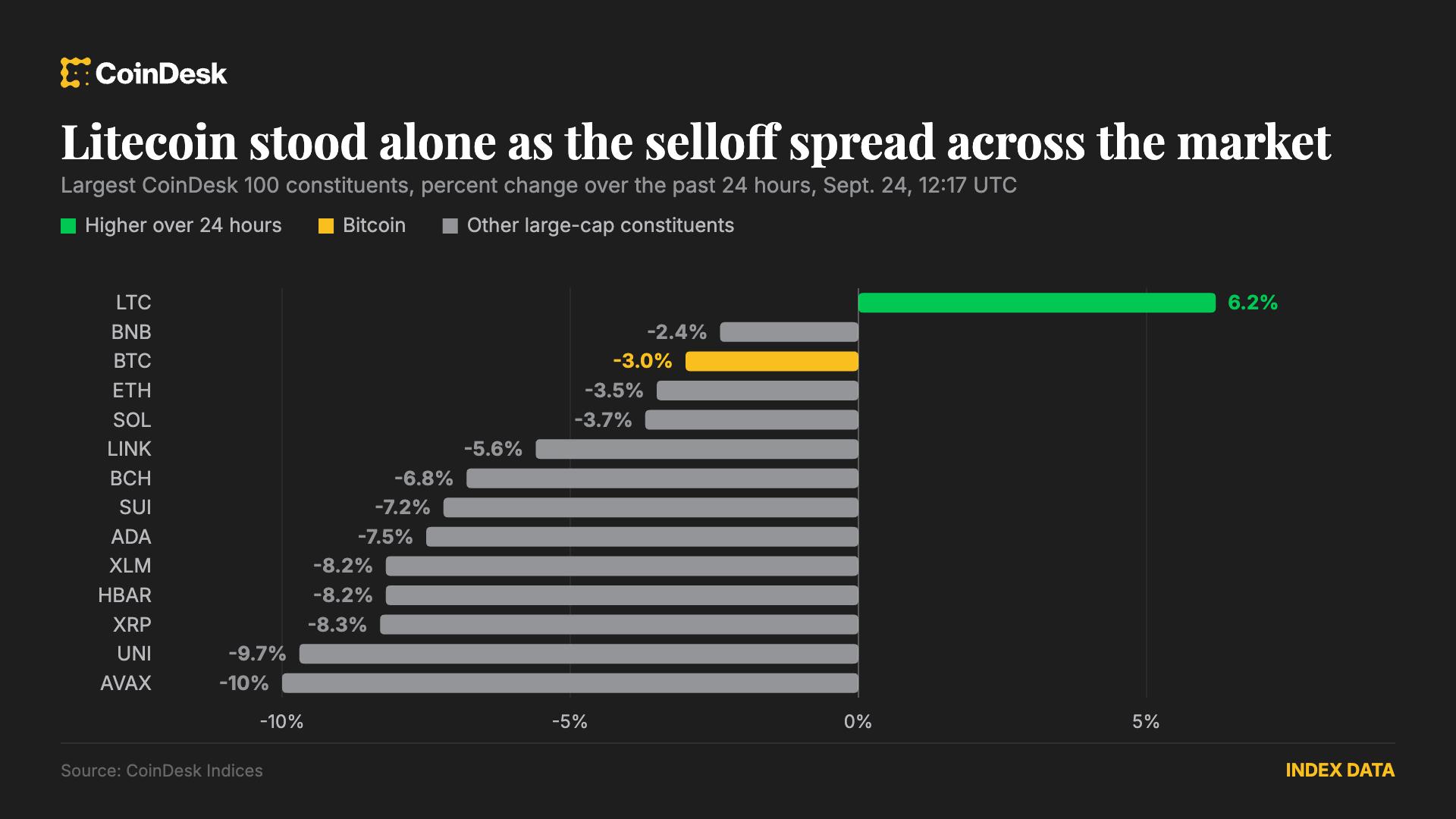
In March 2026, the U.S. 10‑year Treasury yield climbed to its highest level since 2007. The higher yield coincided with a broad market sell‑off: Bitcoin fell to about $83,300, down roughly 1.2% from its early‑day high, and other major tokens such as Ether and XRP also slipped. The move showed how a spike in bond yields can weigh on crypto, even as other factors—like derivative positioning and short‑heavy flow—also contributed to the decline.
What this means for you as an online earner
If you earn passive income through mining, staking, or cloud‑reward platforms, a sudden drop in crypto prices can reduce the fiat value of your rewards. Your mining hardware or staking pool may still generate the same number of tokens, but those tokens could be worth less in dollars when yields rise.
On the other hand, lower yields can create buying opportunities. If you are comfortable with the volatility, buying during a rate‑driven dip can increase the number of tokens you hold, potentially boosting long‑term earnings when the market recovers.
How to assess the impact of interest‑rate changes
- Watch Treasury yields. The 10‑year note is the most watched benchmark. A rapid rise (e.g., more than 0.5% in a week) often precedes crypto pullbacks.
- Check the dollar index (DXY). A stronger dollar usually accompanies higher yields and can pressure crypto prices.
- Look at open interest (OI) in crypto futures. Falling OI while prices drop suggests traders are closing positions rather than initiating new shorts, which may limit the depth of a decline.
- Monitor derivative flow. A high proportion of short‑side taker volume can amplify price moves when rates shift.
- Consider your earnings horizon. If you need stable fiat income, a high‑yield environment may warrant diversifying into assets less sensitive to rate changes.
FAQ
Why does a higher Treasury yield make Bitcoin less attractive?
Higher yields increase the return you can earn from safe government bonds. Since Bitcoin does not pay interest, investors may sell it to capture the guaranteed bond return, causing Bitcoin’s price to fall.
Can crypto prices rise even when yields are high?
Yes. If there is strong demand for Bitcoin as a hedge against inflation or as a store of value, that demand can outweigh the pull of higher yields. However, such moves are usually less pronounced and may be short‑lived.
Should I stop mining or staking when yields rise?
Not necessarily. Your earnings in tokens remain the same, but the fiat value may dip. Evaluate whether you can hold the tokens through the dip or need immediate cash flow, and consider diversifying into assets that are less rate‑sensitive.
How can I protect my crypto earnings from rate‑driven volatility?
One approach is to convert a portion of your rewards to stablecoins or fiat when rates spike, preserving purchasing power. Another is to use options or futures to hedge, though these tools require advanced knowledge and carry their own risks.
This article references reporting from coindesk.com.