Are you worried that the crypto platforms you use could lose your funds to a hack? This article explains how hot‑wallet attacks work, what makes them possible, and what steps you can take to keep your earnings safe.
What a hot wallet is and why it’s a target
A hot wallet is a cryptocurrency storage solution that is connected to the internet. It can be a software wallet on a computer or phone, a web‑based interface, or a custodial account that a platform uses to move funds quickly for user withdrawals and payouts. Because it is online, a hot wallet allows fast transactions, which is essential for services like crypto casinos, exchanges, and DeFi platforms.
The convenience of a hot wallet comes with a trade‑off: exposure to cyber‑attacks. Hackers look for vulnerabilities in the software, the underlying infrastructure, or the people who manage the wallet. If they gain access to the private keys—the cryptographic passwords that unlock the funds—they can transfer the assets to their own addresses, just like stealing cash from a bank vault that is left unlocked.
How hot‑wallet hacks typically occur
Most hot‑wallet breaches follow one of several common patterns:
- Phishing or social engineering: Attackers trick employees or users into revealing login credentials or private keys through fake emails, messages, or phone calls.
- Exploiting software bugs: Vulnerabilities in the wallet software, API endpoints, or third‑party services can be leveraged to execute unauthorized commands.
- Insider threats: A disgruntled employee with privileged access may deliberately move funds.
- Compromised infrastructure: Weak server configurations, outdated operating systems, or unsecured cloud storage can give hackers a foothold.
Once inside, attackers often move the stolen crypto through a series of rapid transactions—sometimes using mixers or privacy‑focused blockchains—to obscure the trail.
Real‑world illustration: Duelbits hot‑wallet breach
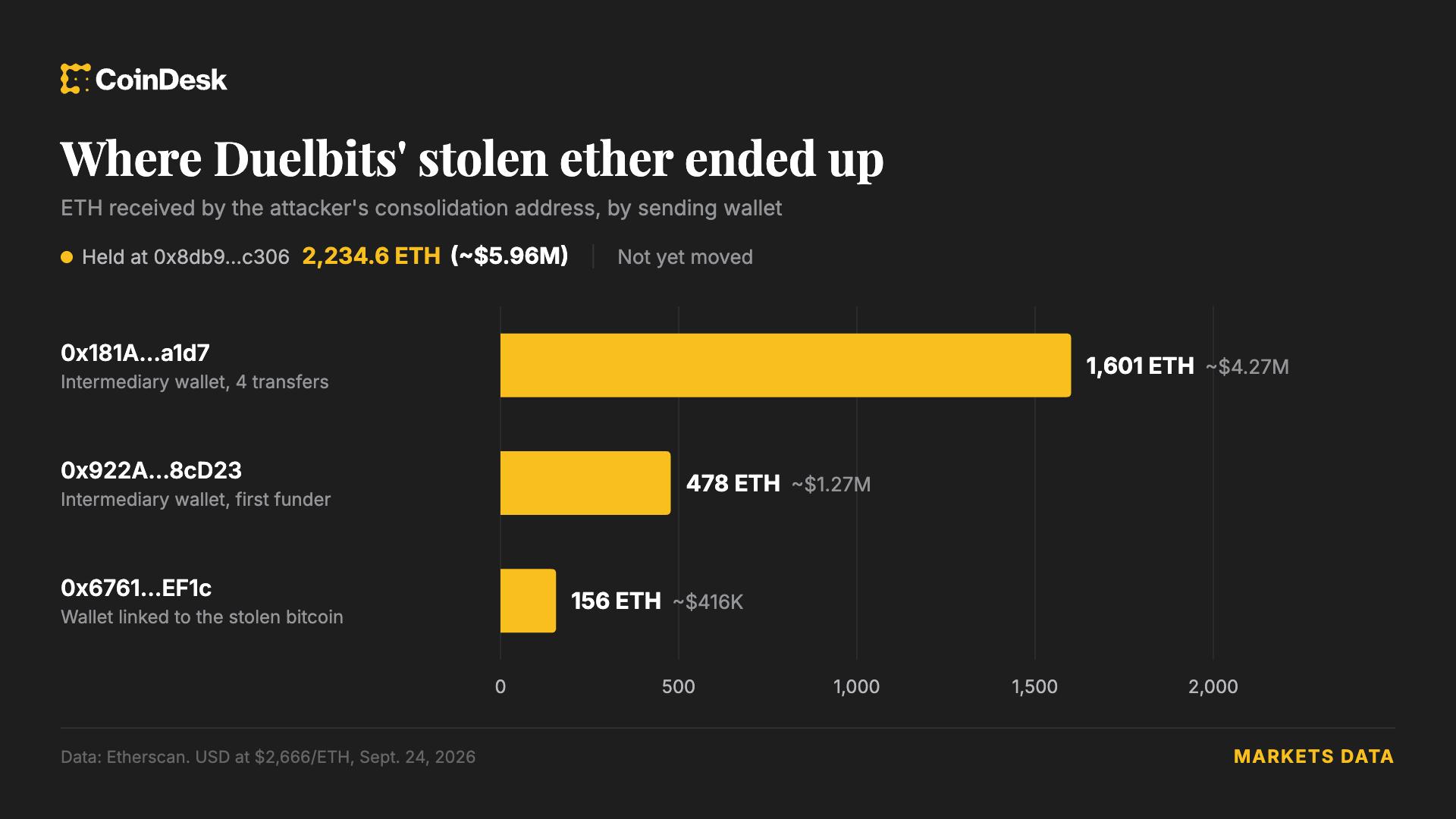
In March 2026, the crypto casino Duelbits went offline after a hack that drained roughly $7 million from its hot wallet. The attackers accessed the wallet’s private keys and transferred the funds to external addresses, forcing the platform to suspend operations while it investigated the breach. The incident highlighted how a single compromised hot wallet can cripple a service that relies on fast payouts for its users.
What this means for you as an online earner
If you earn crypto through gaming, staking, cloud mining, or other platforms, a hot‑wallet hack can affect you in two ways. First, the platform may lose the funds it holds on your behalf, potentially delaying or eliminating your payouts. Second, if you store your earnings in a personal hot wallet, you face the same technical risks as any online service.
Understanding these risks helps you make informed choices about where to keep your earnings and how to diversify your storage strategy.
How to evaluate a platform’s security
Before trusting a service with your crypto, consider the following checks:
- Cold‑storage ratio: Reputable platforms keep the majority of user funds in offline cold wallets, which are not connected to the internet. Look for statements or audits that disclose the percentage of assets stored cold.
- Multi‑signature (multisig) controls: A multisig wallet requires several independent keys to approve a transaction, reducing the chance that a single compromised key can move funds.
- Regular security audits: Independent third‑party audits of the platform’s code and infrastructure indicate a proactive security posture.
- Bug bounty programs: Offering rewards to security researchers for finding vulnerabilities shows that a platform welcomes external scrutiny.
- Employee training and access policies: Companies that limit privileged access and regularly train staff on phishing resistance are less likely to suffer insider‑related breaches.
Practical steps to protect your own earnings
Even if a platform follows best practices, you can add extra layers of safety:
- Move earnings to a personal cold wallet (hardware wallet or paper wallet) as soon as you can withdraw them.
- Use a unique, strong password for each crypto service and enable two‑factor authentication (2FA) with an authenticator app rather than SMS.
- Consider a personal multisig wallet for larger balances, requiring multiple devices or keys to approve a withdrawal.
- Keep software up to date and avoid clicking links in unsolicited messages that claim to be from a platform.
- Monitor your addresses regularly on a block explorer to spot any unexpected activity.
FAQ
What’s the difference between a hot wallet and a cold wallet?
A hot wallet is online and allows quick transactions, while a cold wallet is offline (e.g., a hardware device) and is used for long‑term storage. Cold wallets are far less vulnerable to remote hacks.
Can I rely on a platform’s insurance to cover a hack?
Some platforms purchase insurance, but coverage often has limits, exclusions, and may not apply to every type of loss. It’s safer to treat any stored funds as potentially at risk and use your own secure storage.
Is using a hardware wallet enough to protect me?
Hardware wallets greatly reduce exposure to online attacks, but you still need to protect the device itself, the recovery seed, and any software you use to interact with it. Physical theft or loss of the seed can still result in loss of funds.
How can I tell if a platform uses multisig?
Platforms that employ multisig usually disclose it in their security documentation or audit reports. Look for terms like “2‑of‑3 multisig” or “multi‑signature wallets” in their technical FAQs.
This article references reporting from coindesk.com.