Opening
Are you curious why some traders seem to profit when Bitcoin’s price falls, and how you can understand those moves without becoming a market wizard? This article explains the basics of Bitcoin futures, how they let people bet on price direction, and what the signals from futures markets can tell you about potential earning opportunities.
The plain explanation
What are futures? A futures contract is an agreement to buy or sell an asset at a predetermined price on a specific future date. The asset can be a commodity like oil, a stock index, or a cryptocurrency such as Bitcoin. When you enter a futures contract, you are not buying the Bitcoin itself; you are buying the right (or obligation) to settle the contract at the agreed‑upon price.
Long vs. short positions. If you expect Bitcoin’s price to rise, you take a long position – you agree to buy Bitcoin later at today’s price, hoping the market price will be higher at settlement. If you expect a decline, you take a short position – you agree to sell Bitcoin later at today’s price, hoping the market price will be lower.
Margin and leverage. Futures are typically traded on margin, meaning you only need to deposit a fraction of the contract’s total value. This allows traders to control a larger exposure with a smaller amount of capital, amplifying both potential gains and losses. Leverage ratios vary by exchange but can be as high as 100× for crypto futures.
Settlement. Most Bitcoin futures settle in cash rather than delivering the actual coin. At expiration, the contract’s value is calculated based on the difference between the contract price and the spot price of Bitcoin. If you were long and the spot price is higher, you receive the difference; if you were short and the spot price is lower, you receive the difference.
Why do people use futures? Futures serve several purposes: hedging (protecting existing holdings from price swings), speculation (betting on price moves to earn a profit), and arbitrage (exploiting price differences between markets). For everyday earners, speculation is the most common reason, as it offers a way to generate passive income without owning the underlying asset.
A real example
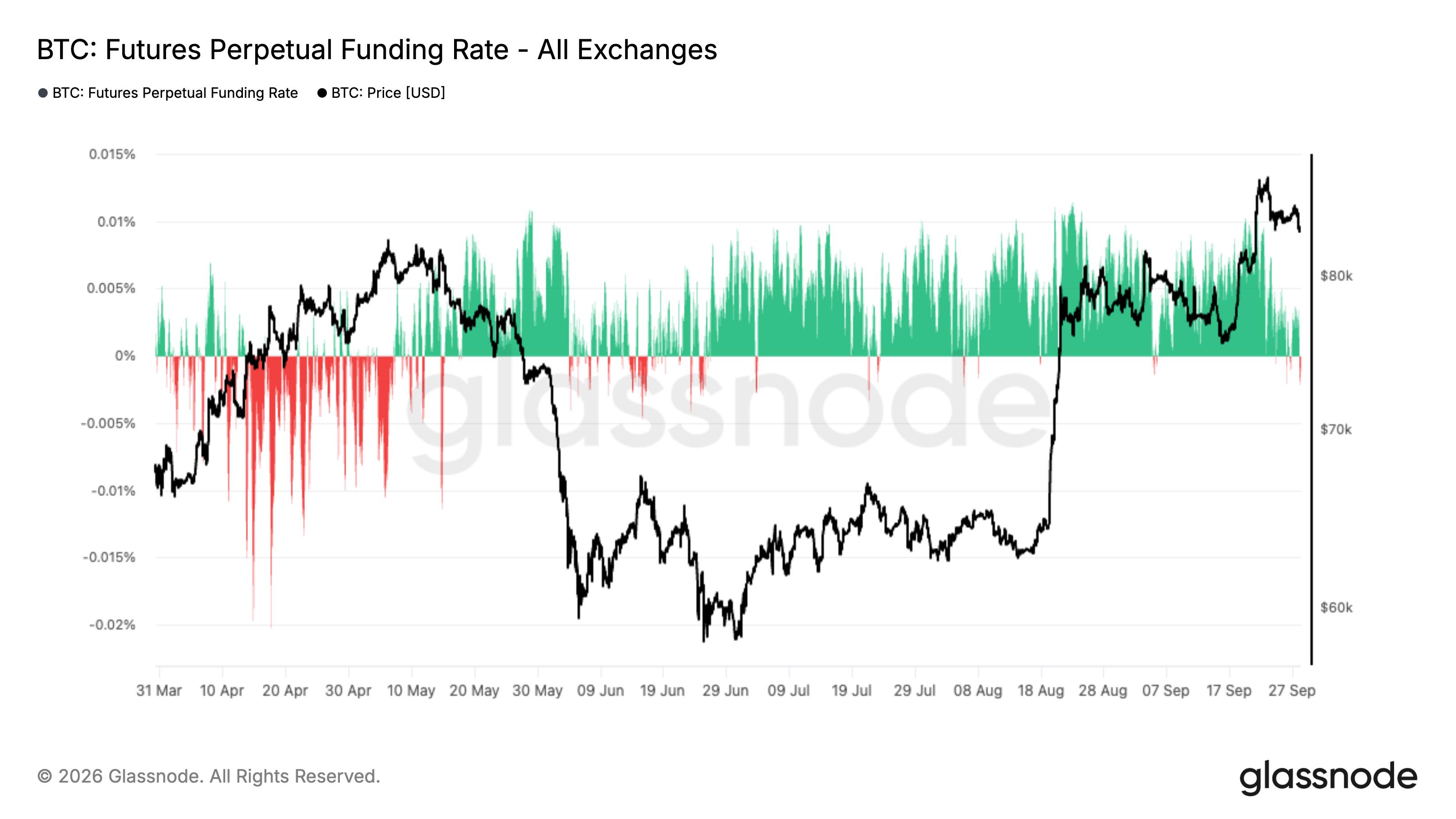
In March 2026, market data showed that Bitcoin bears were paying to bet on further declines, with futures positions near their lowest level in a year. The term “paying to bet” means that short sellers were willing to accept a small premium—essentially a cost—to lock in a price they believed Bitcoin would fall below. This behavior indicated that many traders expected the price to keep dropping, even though the overall open‑interest (the total number of contracts) was shrinking.
The low level of open‑interest suggested that fewer traders were actively holding contracts, which can happen when market participants are waiting for a clear catalyst—such as economic data or regulatory news—before committing more capital. At the same time, the willingness of bears to pay a premium reflected a sentiment that downside risk outweighed the cost of holding a short position.
What it means for you
If you are looking to earn online through crypto, futures can be a double‑edged sword. On the one hand, shorting Bitcoin during a bearish sentiment can generate returns even when the price is falling, which is useful for diversifying a portfolio that otherwise relies on buying low and selling high. On the other hand, the high leverage typical of crypto futures means that a small upward move can wipe out your margin quickly.
The March 2026 scenario teaches two practical points:
- Sentiment matters. When a large portion of the market is willing to pay to short, it can be a signal that a further decline is plausible. However, sentiment can reverse fast, especially after major news releases.
- Liquidity is key. Low open‑interest means fewer participants, which can lead to wider price gaps and higher slippage when you enter or exit a position. For small earners, this increases the risk of unexpected losses.
Understanding these dynamics helps you decide whether to use futures as a hedging tool for existing Bitcoin holdings, as a speculative avenue for extra income, or to avoid them altogether if the risk profile doesn’t match your comfort level.
What to check / how to judge
- Open‑interest trends. Look at the total number of contracts over time. Rising open‑interest usually signals growing market participation, while a sharp decline may indicate caution or waiting for a catalyst.
- Funding rates. Many perpetual futures pay a periodic funding fee between longs and shorts. Positive rates mean longs pay shorts; negative rates mean shorts pay longs. A persistent negative rate can be a sign that bears are dominant.
- Leverage limits. Choose exchanges that enforce reasonable leverage caps. Lower leverage reduces the chance of liquidation during volatile moves.
- Margin requirements. Ensure you have enough collateral beyond the minimum margin to absorb adverse price swings.
- News calendar. Economic releases, regulatory announcements, and major corporate actions often trigger price moves. Align your futures strategy with known events rather than trading blindly.
FAQ
Can I lose more than my initial investment with Bitcoin futures?
Yes. Because futures are leveraged, a rapid adverse price move can exceed your margin, resulting in a loss greater than the capital you initially deposited. Always use stop‑loss orders and keep a cushion of extra margin.
Do I need to own Bitcoin to short it with futures?
No. Futures allow you to take a short position without holding the underlying coin. The contract settles in cash, so you never need to own or borrow Bitcoin.
How often are funding rates paid on perpetual futures?
Funding typically occurs every eight hours. The rate is calculated based on the difference between the perpetual contract price and the spot price, incentivizing the market to keep the two prices aligned.
Is shorting Bitcoin with futures a reliable way to earn passive income?
Shorting can generate returns during down markets, but it is not a guaranteed source of passive income. It requires active monitoring of market conditions, margin levels, and funding rates to manage risk effectively.
This article references reporting from coindesk.com.