Ever wonder how you can gain exposure to a cryptocurrency without actually buying the coin yourself? This article explains what a crypto exchange‑traded fund (ETF) is, how it operates, and what you should consider before adding one to your portfolio.
What a Crypto ETF Actually Is
An exchange‑traded fund (ETF) is an investment vehicle that holds a basket of assets and trades on a traditional stock exchange just like a single stock. A crypto ETF does the same thing, but the underlying assets are cryptocurrencies or related securities such as futures contracts, equity stakes in mining companies, or tokenized shares of a blockchain project.
When you buy a share of a crypto ETF, you are not directly purchasing the digital coins. Instead, you own a proportional claim on the fund’s holdings. The fund manager takes care of buying, storing, and securing the assets, while you receive price exposure and, in some cases, dividend‑like distributions if the fund earns income from staking or lending.
Key terms you’ll encounter:
- Underlying asset: The cryptocurrency or related product that the ETF tracks.
- Net asset value (NAV): The total value of the fund’s holdings divided by the number of shares outstanding.
- Expense ratio: The annual fee, expressed as a percentage of assets, that covers management and operational costs.
- Creation/redemption process: The mechanism by which authorized participants add or remove shares from the fund to keep the market price close to the NAV.
A Real‑World Example
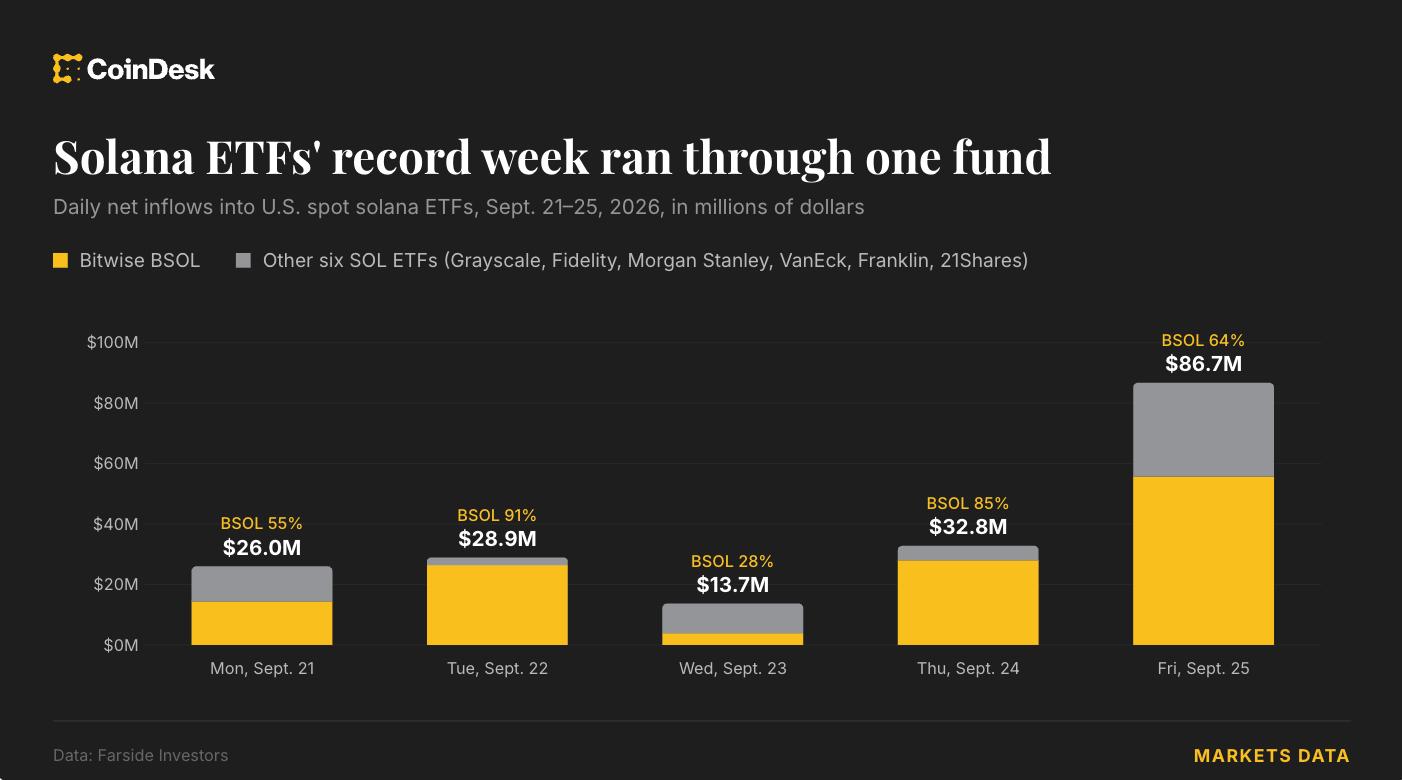
In early March 2026, Solana‑focused exchange‑traded funds attracted a record $188 million in a single week, with the Bitwise family of funds accounting for roughly two‑thirds of those inflows. The surge demonstrated strong investor appetite for a regulated, stock‑market‑style way to participate in Solana’s price movements without dealing with wallets, private keys, or direct token purchases.
What This Means for You
For an everyday investor, a crypto ETF offers several practical advantages:
- Simplified buying process: You can purchase shares through a standard brokerage account, using familiar order types and settlement procedures.
- Regulatory oversight: ETFs are subject to securities regulations, which can provide an additional layer of investor protection compared with unregulated crypto exchanges.
- Reduced custody risk: The fund custodian holds the actual tokens, so you don’t need to manage private keys or worry about wallet security.
- Tax reporting: Brokerage statements typically include the necessary information for capital‑gain calculations, making tax filing more straightforward.
However, these benefits come with trade‑offs. Because you own a share of the fund rather than the coin itself, you cannot directly use the cryptocurrency for payments, staking, or governance voting. Also, the expense ratio—often between 0.5 % and 1.5 % annually—eats into returns over time.
How to Evaluate a Crypto ETF
Before committing capital, run through this short checklist:
- Underlying exposure: Verify whether the fund holds the actual token, futures contracts, or equity stakes, and understand how that choice affects price tracking.
- Expense ratio: Compare fees across similar funds; lower fees preserve more of your gains.
- Liquidity: Look at average daily trading volume and bid‑ask spread; higher liquidity means you can enter and exit positions with less slippage.
- Regulatory jurisdiction: Ensure the ETF is registered with a reputable securities regulator (e.g., the SEC in the United States or the FCA in the United Kingdom).
- Tracking error: Check how closely the fund’s price has followed the price of the underlying cryptocurrency over the past months.
FAQ
Can I earn staking rewards through a crypto ETF?
Only if the fund’s manager chooses to stake the underlying tokens and passes the earnings on to shareholders. Most equity‑oriented ETFs do not, but some specialized funds do distribute staking income as part of their return.
Do crypto ETFs protect me from hacks?
Custody risk is reduced because a professional custodian holds the assets, but no system is immune to breach. Review the custodian’s security track record and any insurance coverage the fund provides.
Will I pay capital‑gains tax on ETF shares?
Yes. When you sell ETF shares for a profit, the gain is treated like any other stock transaction and is subject to capital‑gains tax in your jurisdiction.
Is buying a crypto ETF the same as buying the cryptocurrency directly?
No. An ETF gives you price exposure without ownership of the token itself. You cannot transfer the underlying coins to another wallet, use them for payments, or participate in on‑chain governance.
This article references reporting from coindesk.com.