Ever wonder how a traditional investment vehicle like an exchange‑traded fund (ETF) can give you exposure to Bitcoin without buying the cryptocurrency yourself? This article explains what spot Bitcoin ETFs are, how they operate, and what you should consider before using them to earn passive income.
The plain explanation
An exchange‑traded fund (ETF) is a basket of assets that trades on a stock exchange just like a regular stock. Investors buy shares of the ETF, and the fund’s manager holds the underlying assets on their behalf. A spot Bitcoin ETF is a specific type of ETF that actually purchases and stores physical Bitcoin (or its equivalent) rather than futures contracts or derivatives. Each share of the ETF represents a proportional claim on the Bitcoin held by the fund.
Because the ETF is listed on a regulated exchange, you can buy and sell it through a standard brokerage account, avoiding the need for a crypto wallet, private keys, or a direct transaction on a blockchain. The fund’s custodian is responsible for the secure storage of the Bitcoin, typically using cold‑storage solutions and insurance policies to mitigate theft or loss.
When you own a share of a spot Bitcoin ETF, you do not receive the Bitcoin itself, but you do benefit from the price movements of the underlying asset. If Bitcoin’s market price rises, the net asset value (NAV) of the ETF share generally rises in tandem, and vice‑versa. Some ETFs also distribute dividends if the fund earns interest on the Bitcoin holdings, but most simply reflect price appreciation.
A real example
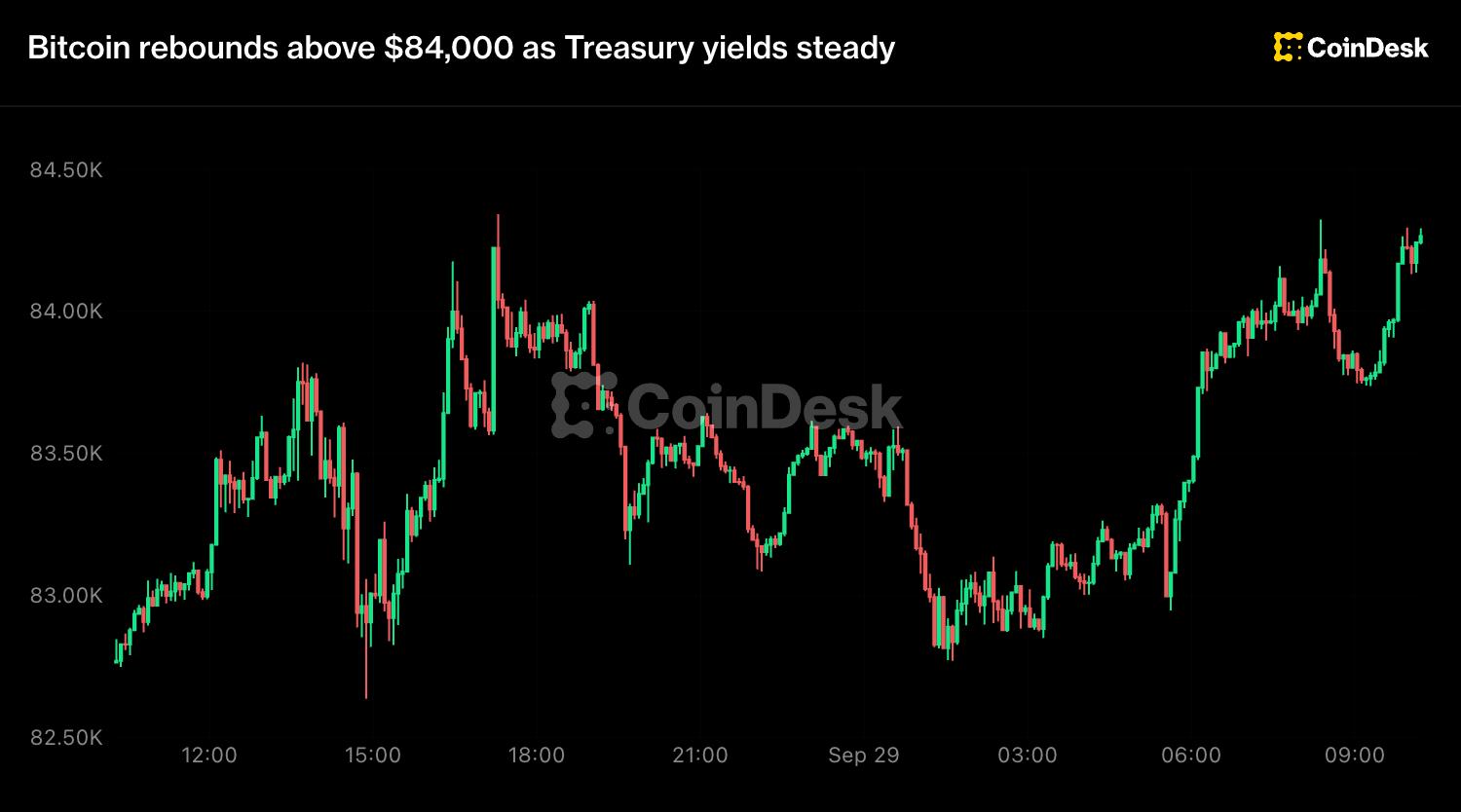
In March 2026, U.S. spot Bitcoin ETFs recorded net inflows of about $31 million, according to data from SoSoValue. The same period saw Bitcoin rebound above $84,200, with buyers stepping in at dips near $82,500. While many factors influence price—such as Treasury yields and broader market sentiment—the fresh capital flowing into spot ETFs contributed to the upward pressure on Bitcoin’s price by increasing demand for the underlying asset.
What it means for you
Using a spot Bitcoin ETF can simplify crypto exposure for people who prefer traditional finance tools. You can add Bitcoin to a diversified portfolio without learning how to manage private keys or worry about wallet security. Because ETFs are regulated, they often come with investor protections, transparent reporting, and the ability to trade during market hours.
From an earning perspective, you can potentially benefit from Bitcoin’s price appreciation while earning any dividend or interest the ETF distributes. However, the returns are still tied to Bitcoin’s volatility, and you will incur typical brokerage fees, expense ratios, and possible tax implications on capital gains.
What to check / how to judge
- Custody and security: Verify that the ETF’s custodian uses reputable cold‑storage methods and has insurance coverage for the stored Bitcoin.
- Expense ratio: Compare the annual fee charged by the ETF to other Bitcoin investment options; lower fees preserve more of your earnings.
- Liquidity: Ensure the ETF has sufficient daily trading volume so you can enter or exit positions without large price slippage.
- Regulatory status: Confirm that the ETF is approved by the relevant securities regulator (e.g., the U.S. SEC) and that it complies with local investment rules.
- Tax treatment: Understand how capital gains, dividends, and any interest income from the ETF are taxed in your jurisdiction.
FAQ
Do I actually own Bitcoin when I buy a spot ETF?
No. You own shares of the fund, which in turn holds Bitcoin on your behalf. The fund’s custodian retains legal ownership of the underlying coins.
Can I withdraw the Bitcoin from the ETF?
Generally, spot Bitcoin ETFs do not allow individual investors to redeem shares for the actual cryptocurrency. Redemption is typically limited to large institutional participants.
How are fees structured?
Most spot Bitcoin ETFs charge an annual expense ratio, expressed as a percentage of assets under management. This fee is deducted from the fund’s assets and reduces the NAV over time.
Is an ETF safer than holding Bitcoin directly?
Safety depends on the custodian’s security practices and the regulatory framework. ETFs benefit from oversight and insurance, but they also introduce counterparty risk—if the custodian fails, the assets could be at risk.
This article references reporting from coindesk.com.