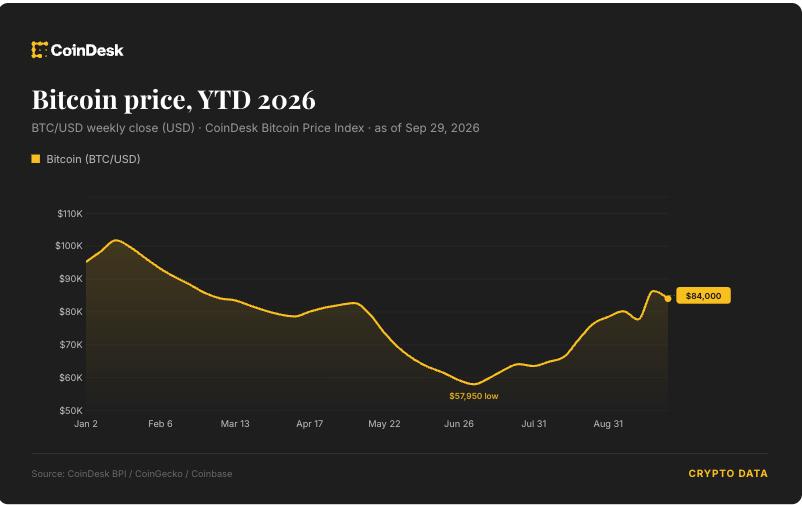
Ever wonder why Bitcoin’s price can swing dramatically and how those swings affect anyone trying to earn from mining? This article breaks down the key forces that drive Bitcoin’s market value and explains how they translate into mining profitability for everyday earners.
The basics: What moves Bitcoin’s price?
Bitcoin is a decentralized digital currency, meaning no single government or central bank controls it. Its price is set on open markets where buyers and sellers trade on exchanges. Because supply is fixed at 21 million coins, price changes are driven mainly by demand and external economic factors.
Supply side. New bitcoins are created through mining, a process where computers solve complex mathematical puzzles to add blocks to the blockchain. The network automatically reduces the reward every 210,000 blocks (about every four years) in an event called “halving.” Fewer new coins entering the market can tighten supply, putting upward pressure on price if demand stays steady.
Demand side. Demand is influenced by several factors:
- Investor sentiment. News, social media buzz, and macro‑economic trends shape how people feel about Bitcoin as a store of value.
- Institutional involvement. When large financial firms allocate capital to crypto, they bring significant buying power that can lift prices.
- Regulatory environment. Positive regulation can boost confidence, while bans or harsh rules can scare investors away.
- Alternative assets. Movements in gold, stocks, or fiat currencies (like the U.S. 10‑year Treasury yield) often affect Bitcoin because investors compare returns across asset classes.
Because Bitcoin trades 24/7 on a global network of exchanges, price can react instantly to any of these signals, leading to the rapid surges and corrections that many observers notice.
Real‑world illustration
In September 2026, Bitcoin held around $83,000 as other markets shifted—Zcash fell 12 % and oil prices rose again. Analysts also noted that the U.S. 10‑year Treasury yield was approaching 6 %. These macro‑economic cues, combined with ongoing institutional interest, helped push Bitcoin toward a new high, illustrating how external financial conditions can fuel a price surge.
What it means for you: Mining earnings and passive income
If you run a mining rig or participate in a cloud‑mining service, your earnings depend on two main variables: the block reward you receive (plus transaction fees) and the market price of Bitcoin when you sell those coins.
When Bitcoin’s price climbs, the fiat value of each mined coin rises, boosting your passive income. Conversely, a price drop can turn a seemingly profitable operation into a loss, especially if electricity costs remain high.
Because mining hardware consumes electricity continuously, miners must consider both short‑term price spikes and long‑term trends. A sudden surge can be tempting, but sustainable profitability comes from managing costs and understanding the broader market forces that drive price.
What to check before you start or expand mining
- Electricity cost. Calculate your cost per kilowatt‑hour (kWh) and compare it to the expected revenue at various Bitcoin price points.
- Hardware efficiency. Newer ASIC models offer higher hash rates (the speed at which you solve puzzles) for lower power consumption.
- Break‑even price. Determine the Bitcoin price at which your mining operation covers electricity and hardware depreciation.
- Market outlook. Monitor macro‑economic indicators such as Treasury yields, inflation data, and institutional fund flows, as they often precede price moves.
- Risk tolerance. Remember that mining income is volatile; never allocate more capital than you can afford to lose.
FAQ
Why does a higher Treasury yield affect Bitcoin’s price?
When Treasury yields rise, traditional bonds become more attractive, pulling money away from riskier assets like Bitcoin. However, some investors view Bitcoin as a hedge against inflation, so a moderate yield increase can also signal confidence in alternative stores of value, supporting price.
Can I earn a steady income from mining despite price swings?
Steady income is possible if your electricity costs are low and you use efficient hardware. By selling a portion of mined Bitcoin when prices are high and holding the rest, you can smooth out earnings over time.
Is cloud mining a safer way to earn passive income?
Cloud mining removes the need to manage hardware, but it introduces counterparty risk. Choose reputable providers, verify their operational transparency, and understand the contract terms before committing funds.
How often does the block reward halve, and why does it matter?
The block reward halves every 210,000 blocks, roughly every four years. Halving reduces the number of new bitcoins entering circulation, which can tighten supply and potentially support higher prices if demand remains constant.
This article references reporting from coindesk.com.