Are you wondering how new EU regulations shape the ability of crypto platforms to operate across Europe? This article explains the Markets in Crypto‑Assets (MiCA) regime, how it grants “passporting” rights, and what the rules mean for anyone looking to earn or use crypto services online.
What MiCA Is and How It Works
MiCA stands for Markets in Crypto‑Assets, a comprehensive set of rules adopted by the European Union to bring crypto‑asset service providers (CASPs) under a single regulatory umbrella. Its goal is to protect consumers, ensure market integrity, and create a level playing field for businesses.
Under MiCA, a CASP must obtain a licence from the competent authority of the EU member state where it first offers services. Once approved, the provider can “passport” that licence to all other EU countries, meaning it can operate across the bloc without needing separate authorisations in each jurisdiction. This is similar to how traditional banks use a single EU banking licence to serve the entire market.
Key terms you’ll hear:
- Competent authority: The national regulator responsible for reviewing and granting a MiCA licence. In many countries this is the securities regulator, but some states also involve their central bank.
- Passporting: The ability to provide services throughout the EU based on one home‑state licence.
- Crypto‑asset service provider (CASP): Any entity that offers services such as exchange, custody, wallet provision, or advisory for crypto‑assets.
MiCA also sets out capital requirements, governance standards, and transparency obligations. For example, custodial services must keep a clear record of who owns each asset, and exchanges must have robust anti‑money‑laundering (AML) procedures.
Real‑World Illustration: Greece’s First MiCA Entries
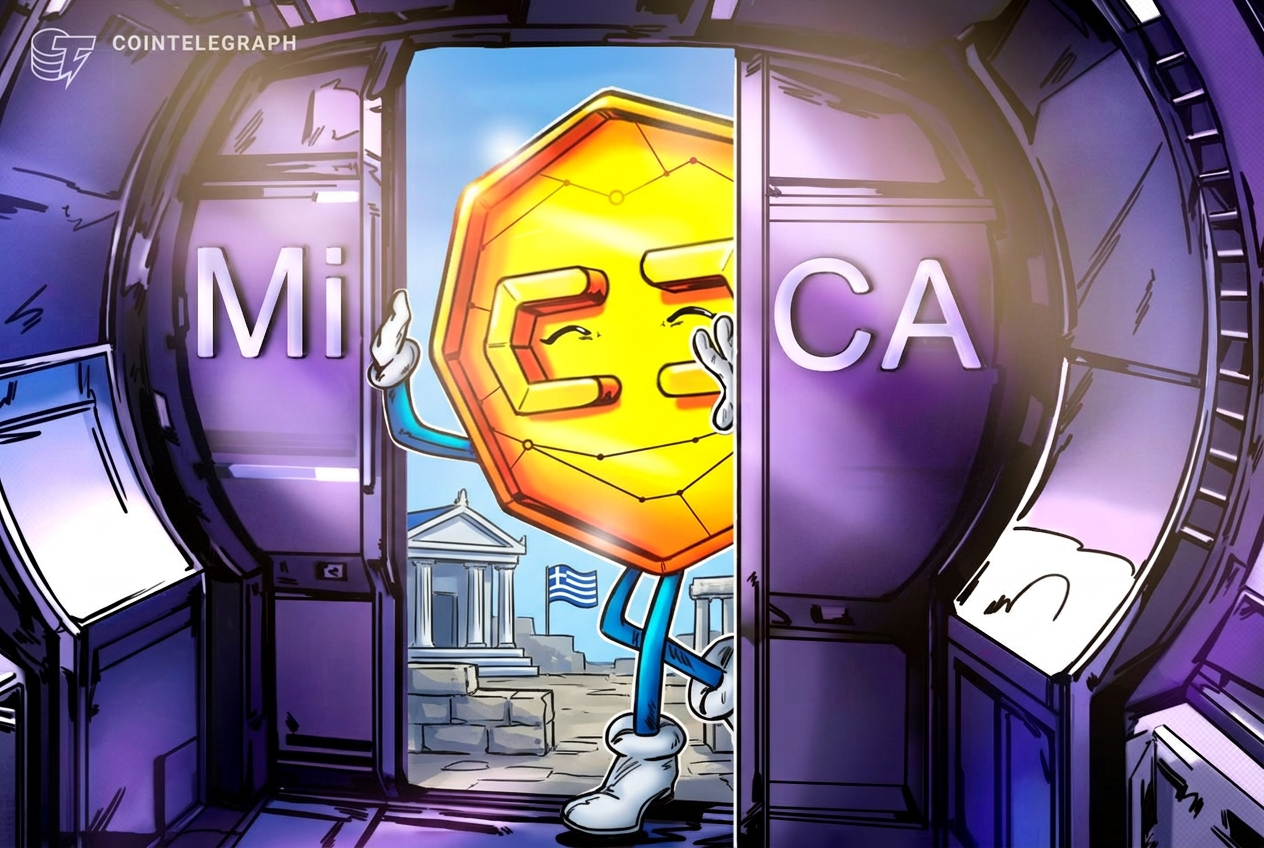
In September 2026, Greece added four domestic providers—BCash, Xenios Blockchain Group, Capital Wallet Greece, and Piraeus Bank—to the European Securities and Markets Authority’s (ESMA) MiCA register. This marked the first time Greek firms appeared on the EU‑wide list of authorised CASPs.
The entry also highlighted how Greece splits oversight between its Hellenic Capital Market Commission (HCMC) and the Bank of Greece. The HCMC acts as the competent authority for three of the providers, while the central bank oversees Piraeus Bank’s crypto activities. This division is allowed under MiCA, which permits member states to designate multiple authorities for different types of services.
At the same time, the world’s largest crypto exchange, Binance, withdrew its Greek MiCA application in June 2026, missing the chance to obtain a passport for the entire EU. Reports of political interference were later denied by the HCMC, underscoring the importance of transparent regulatory processes.
What This Means for You
If you are looking to earn passive income through crypto—whether by staking, lending, or using cloud mining services—MiCA affects the safety and reliability of the platforms you choose. A MiCA‑authorised provider has met EU‑wide standards for capital buffers, AML compliance, and consumer protection. This can reduce the risk of sudden service shutdowns or loss of funds due to regulatory action.
Conversely, providers that operate without MiCA authorisation may face legal uncertainty, especially if they plan to expand across Europe. Their services could be halted by national regulators, leaving users without recourse.
How to Evaluate a MiCA‑Compliant Provider
- Check the ESMA MiCA register to confirm the provider’s licence and the competent authority that issued it.
- Verify that the provider discloses its capital adequacy and risk‑management policies, which are required under MiCA.
- Look for clear AML/KYC procedures and a transparent privacy policy.
- Assess whether the platform offers consumer‑friendly terms, such as clear fee structures and dispute‑resolution mechanisms.
FAQ
What is the difference between a MiCA licence and a national crypto licence?
A MiCA licence is granted by a single EU member state but is recognised across all EU countries through passporting. A purely national licence would only allow the provider to operate within that one country.
Can a non‑EU provider obtain a MiCA licence?
No. MiCA licences are only issued to entities that have a legal presence in an EU member state. Non‑EU firms must first establish a subsidiary or partner with an EU‑based entity to apply.
Does MiCA guarantee that my funds are safe?
MiCA sets higher standards for capital reserves, governance, and consumer protection, which can lower risk. However, no regulation eliminates all risk; you should still diversify and only invest what you can afford to lose.
Will MiCA affect the rewards I earn from staking or cloud mining?
Providers that offer staking or cloud mining services under MiCA must disclose how rewards are generated and ensure they are not misleading. This transparency helps you understand the source of any passive income you receive.
This article references reporting from cointelegraph.com.