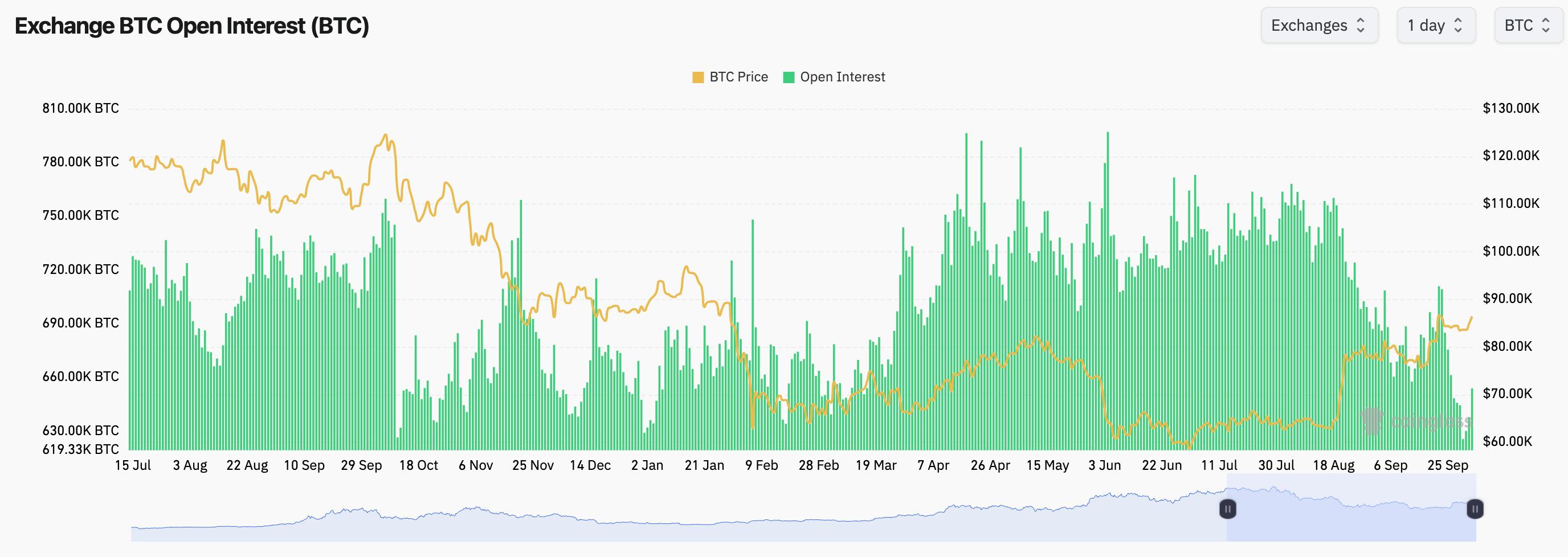
Are you wondering why Bitcoin’s price matters if you’re trying to earn crypto through mining or staking? This article explains how Bitcoin’s market value influences the economics of mining, what factors drive price changes, and what that means for anyone looking to generate passive income from the network.
What Bitcoin’s price really means for miners
Bitcoin is a decentralized digital currency that relies on a network of miners to process transactions and secure the blockchain. Miners use specialized hardware to solve complex mathematical puzzles; the first to find a solution adds a new block and receives a block reward. The block reward consists of newly minted bitcoins plus any transaction fees included in the block.
The reward is paid in Bitcoin, not in fiat currency. Therefore, the dollar (or any other fiat) value a miner earns depends on two things: the number of bitcoins earned and the market price of Bitcoin at the time they sell or convert those coins. If Bitcoin’s price rises, the same amount of newly minted coins is worth more in fiat terms, increasing the miner’s revenue. Conversely, a price drop reduces revenue.
Mining also incurs costs, primarily electricity and hardware depreciation. These costs are usually measured in fiat because utilities bill in dollars (or local currency). To be profitable, a miner’s fiat‑denominated revenue must exceed these expenses. That is why Bitcoin’s price is a key variable in any mining profitability calculation.
Real‑world illustration
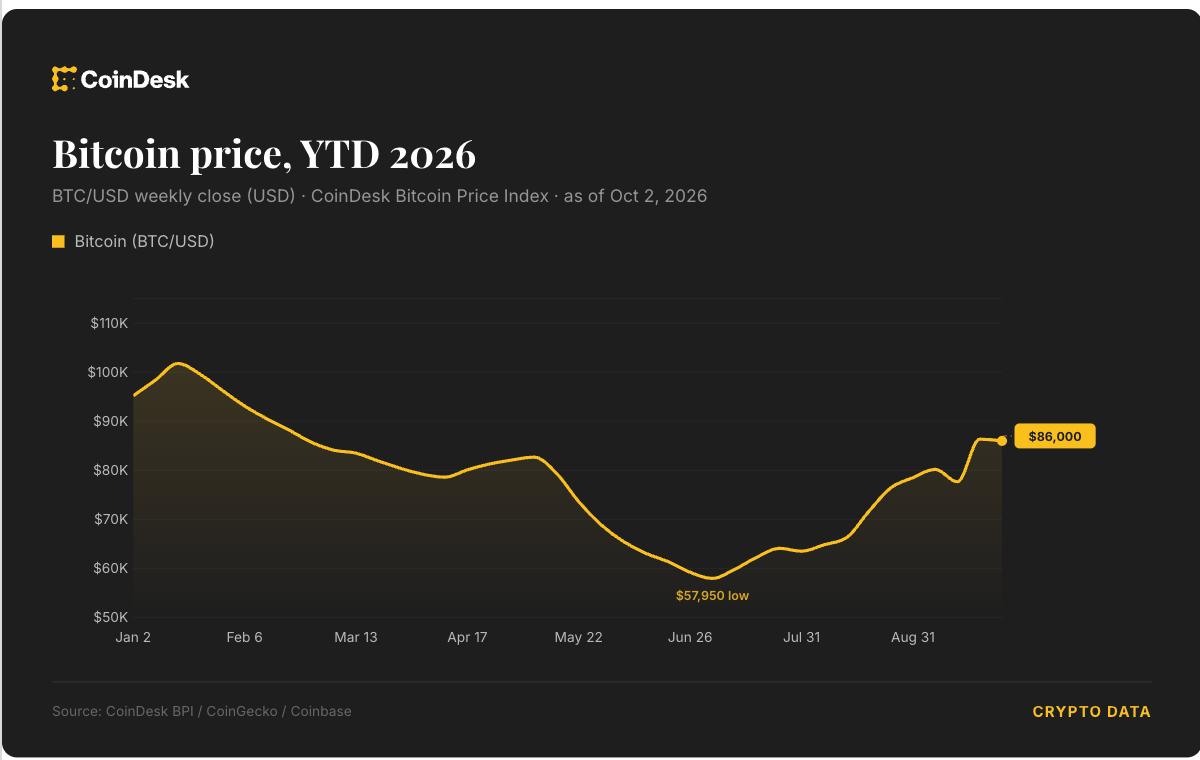
In March 2026, Bitcoin surged past $86,000 ahead of a major U.S. jobs report. The price jump meant that miners who had produced the same number of blocks in the previous month suddenly saw a significant increase in their fiat earnings, assuming they sold their coins at the higher price. The event highlighted how external market factors—such as macro‑economic data releases—can quickly alter the profitability landscape for miners.
What this means for you
If you are considering mining, staking, or joining a cloud‑mining service, you need to understand that your earnings are not fixed. A rise in Bitcoin’s price can boost your passive income without any change to your hardware or electricity consumption. However, price volatility also introduces risk: a sudden decline can turn a previously profitable operation into a loss‑making one.
Because of this, many miners track price trends and may adjust their strategy—such as holding a portion of mined coins to benefit from future price appreciation or selling immediately to lock in fiat profits. The choice depends on your risk tolerance and financial goals.
How to evaluate mining profitability
- Calculate break‑even cost: Add up electricity rates (cost per kilowatt‑hour), hardware purchase price, and expected lifespan of your equipment. Convert these costs to a fiat amount per day.
- Use a mining calculator: Input your hardware’s hash rate (the speed at which it solves puzzles) and power consumption. The calculator will estimate daily Bitcoin earnings based on a given Bitcoin price.
- Monitor price trends: Follow reputable market data sources and consider macro‑economic indicators that historically affect Bitcoin, such as interest‑rate changes or major financial reports.
- Consider diversification: Some miners allocate a portion of their earnings to other assets or stablecoins to hedge against price swings.
- Assess pool fees: If you join a mining pool, the pool takes a small percentage of rewards. Factor this into your profit calculations.
FAQ
Q: Does a higher Bitcoin price guarantee higher profits?
Not necessarily. While a higher price increases revenue per coin, it also attracts more miners, which can raise the network’s difficulty and reduce the number of blocks each miner finds. Profitability depends on the balance between price, difficulty, and operating costs.
Q: Should I sell my mined Bitcoin immediately?
It depends on your risk appetite. Selling right away locks in fiat value and eliminates price risk, but holding can provide upside if Bitcoin continues to appreciate. Many miners split their earnings—selling a portion and holding the rest.
Q: How does electricity cost impact profitability?
Electricity is typically the largest ongoing expense for miners. Lower rates improve profit margins, which is why mining operations often locate in regions with cheap, renewable energy. Even with a high Bitcoin price, high electricity costs can erode profits.
Q: Are cloud‑mining contracts a safer way to earn?
Cloud‑mining removes the need to manage hardware, but contracts are usually priced based on current Bitcoin forecasts. If the price falls below expectations, the contract may yield little or no profit. Always read the fine print and consider the provider’s reputation.
This article references reporting from coindesk.com.