
Are you wondering why some lesser‑known cryptocurrencies seem to rise even when Bitcoin’s price is flat? This article explains how altcoins differ from Bitcoin, why they can move independently, and what you should consider before chasing those gains.
The plain explanation
Bitcoin is often called “digital gold” because it was the first cryptocurrency and has the largest market value. Altcoins are any digital assets that are not Bitcoin. This group includes everything from well‑known projects like Ethereum and Solana to obscure tokens with tiny market caps.
Altcoins can behave differently for several reasons:
- Different use cases. While Bitcoin mainly serves as a store of value, many altcoins aim to power decentralized applications, provide fast transaction speeds, or enable smart contracts.
- Supply dynamics. Some tokens have low circulating supplies or built‑in scarcity mechanisms that can cause price spikes when demand rises.
- Community and development activity. New features, partnerships, or upgrades (for example, a network upgrade that improves scalability) can attract attention and buying pressure.
- Market sentiment. When Bitcoin is trading sideways, investors often look for higher‑risk, higher‑reward opportunities elsewhere, pushing money into smaller projects.
Because these factors are independent of Bitcoin’s price, an altcoin can rally even if Bitcoin appears stagnant.
A real example
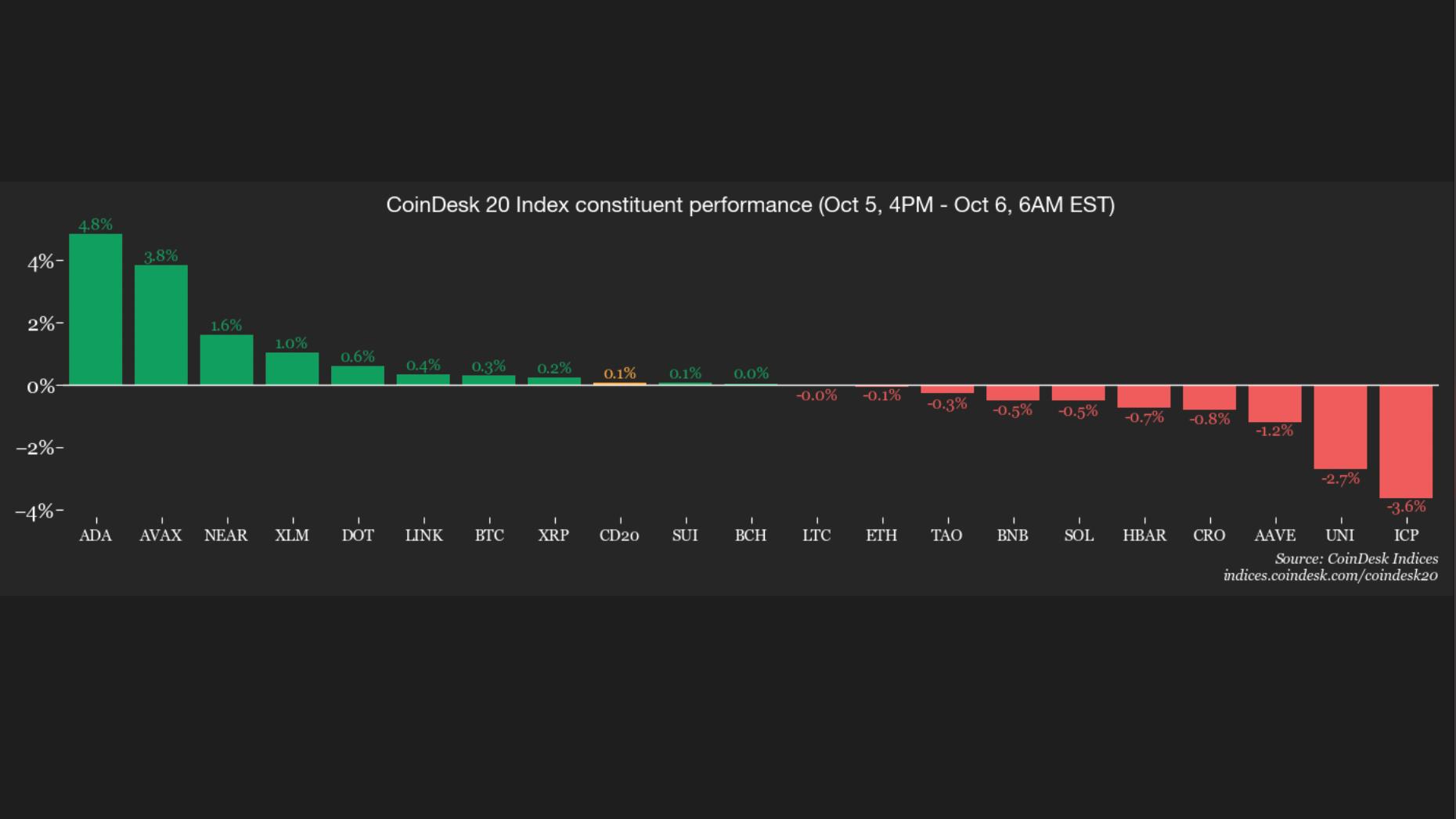
In March 2026, Bitcoin was trading around $85,000, showing little movement for several weeks. During that period, a handful of lower‑market‑cap coins posted double‑digit gains, drawing attention from traders seeking returns beyond Bitcoin’s flat performance. This pattern illustrates how altcoins can “shine” when the flagship asset is quiet.
What it means for you
If you are looking to earn online through crypto, the presence of active altcoin markets means you have more options than simply buying Bitcoin. Smaller tokens can provide:
- Potential for higher short‑term returns, albeit with higher volatility.
- Opportunities to earn passive income through staking, liquidity provision, or yield‑generating platforms that focus on specific altcoins.
- Diversification, which can reduce the impact of a single asset’s price swing on your overall portfolio.
However, higher reward comes with higher risk. Many altcoins lack the liquidity and institutional backing that Bitcoin enjoys, making price swings more extreme and exit more difficult.
What to check / how to judge
- Project fundamentals. Review the token’s whitepaper, team credentials, and roadmap. A clear use case and active development are positive signs.
- Liquidity. Check the average daily trading volume and the number of exchanges listing the token. Low liquidity can trap you in a position.
- Community engagement. Active social media channels, regular updates, and transparent communication suggest a healthier ecosystem.
- Tokenomics. Understand the supply schedule, inflation rate, and any vesting periods for insiders. Uncontrolled token releases can dilute value.
- Security audits. For tokens that power smart contracts, look for third‑party audit reports to reduce the risk of exploits.
FAQ
Why do altcoins sometimes outperform Bitcoin?
Altcoins can react to project‑specific news, upgrades, or partnerships that don’t affect Bitcoin. When Bitcoin is stable, investors often shift capital to these higher‑risk assets seeking larger gains.
Is it safe to invest a large portion of my portfolio in smaller altcoins?
Generally no. Smaller tokens are more volatile and can experience rapid price drops. It’s advisable to allocate only a modest percentage of your total crypto holdings to high‑risk altcoins.
Can I earn passive income with altcoins?
Yes. Many projects offer staking rewards, where you lock up tokens to help secure the network, or liquidity mining, where you provide tokens to a decentralized exchange and earn a share of transaction fees.
How do I avoid scams when picking an altcoin?
Look for transparent teams, audited code, active development, and a clear use case. Be wary of projects that promise unrealistic returns, have anonymous founders, or lack any verifiable technical documentation.
This article references reporting from coindesk.com.





