
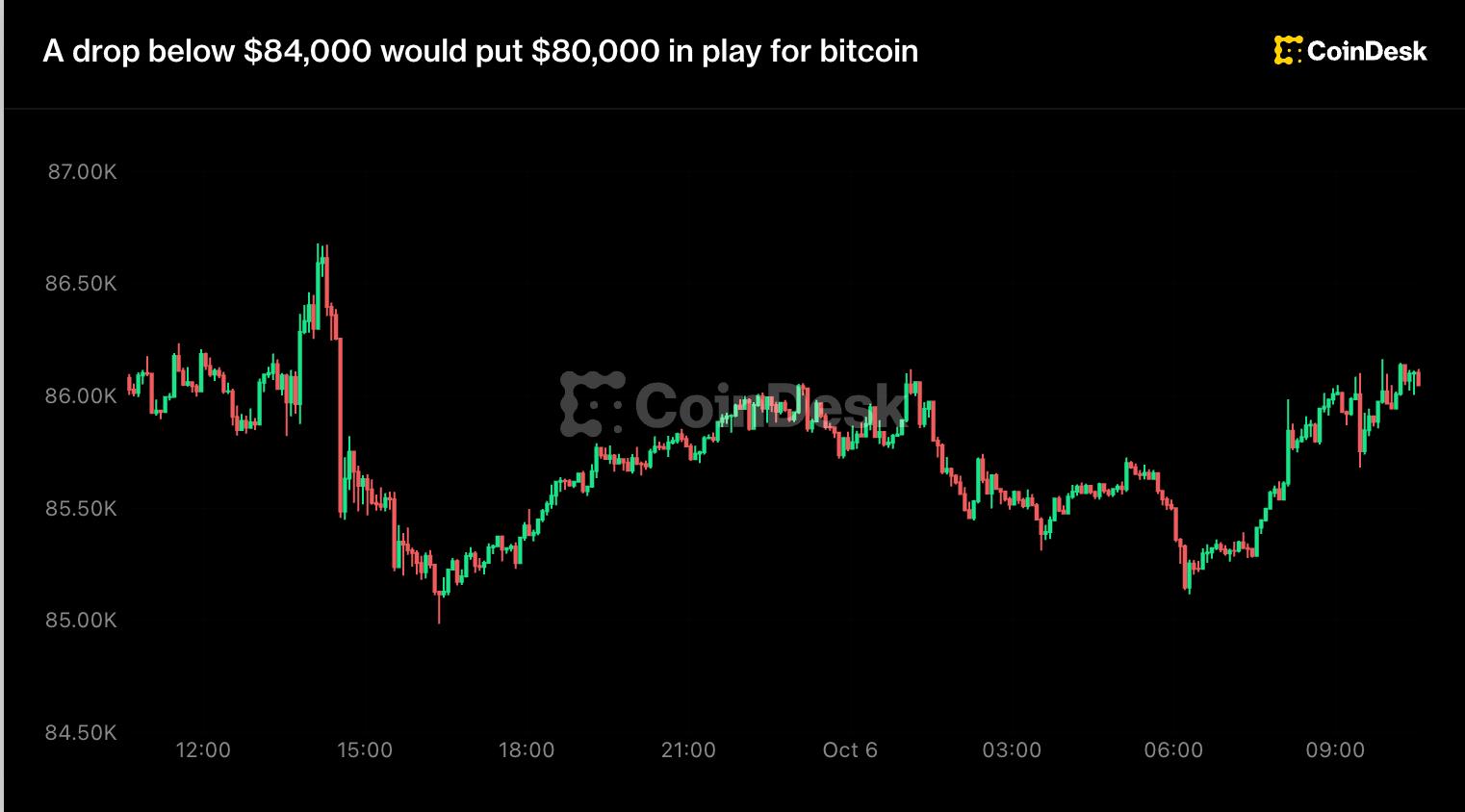
Are you wondering why a single price threshold can feel like a turning point for Bitcoin and what that means for your mining or passive‑income strategy? This article explains how support and resistance levels work, why they matter, and how you can use that knowledge when you earn crypto online.
What support and resistance really are
In simple terms, a support level is a price where buying pressure tends to outweigh selling pressure, causing the market to stop falling and often bounce back up. Conversely, a resistance level is a price where sellers become more aggressive, preventing the price from rising further. These levels are not fixed rules; they emerge from the collective actions of traders, order books, and historical price patterns.
When Bitcoin approaches a support level, many traders place buy orders just above that price, hoping to catch a rebound. If the price breaks below the level, those buy orders disappear, and the market can move lower more freely. The same logic applies to resistance, where sell orders cluster.
Technical analysts often identify these zones by looking at recent lows and highs, moving averages, or psychological round numbers (like $84,000). The more times a level has been tested, the stronger it is considered because more market participants have taken note of it.
Real‑world illustration
In March 2026, Bitcoin traded just above $86,000 and was hovering near a recent range. Analysts at FxPro noted that a break below $84,000 would give “the bears” (traders betting on lower prices) the upper hand. They warned that a further slide through $83,000 could quickly push Bitcoin toward $80,000. This example shows how a specific price threshold—$84,000—served as a key support level that, if breached, could trigger a cascade of selling.
What it means for you as a miner or passive‑income seeker
If you run a mining operation or participate in a cloud‑mining pool, your revenue is directly tied to Bitcoin’s market price. When the price stays above a strong support level, you can expect relatively stable or growing earnings. A break below that level can reduce the value of the coins you mine, potentially turning a profitable venture into a loss‑making one.
For those who earn through staking, lending, or other passive‑income mechanisms that involve Bitcoin or Bitcoin‑linked assets, support levels affect the collateral value and the overall health of the platforms you use. A sharp drop can trigger margin calls or liquidations on some services, affecting your returns.
How to evaluate a support level before you commit
- Check the history: Look at how many times the price has bounced off the same level in the past month or quarter. More tests usually mean stronger support.
- Volume matters: A bounce accompanied by high trading volume suggests genuine buying interest, while a bounce on low volume may be fragile.
- Watch order‑book depth: Large buy walls (clusters of buy orders) near the level can act as a cushion.
- Consider broader market cues: Factors like Treasury yields, oil prices, or central‑bank announcements can influence overall risk appetite and affect whether support holds.
- Plan for the worst case: If you are mining, calculate your break‑even price (including electricity and hardware costs). If the support level is close to or below that break‑even, you may need a contingency plan.
FAQ
Q: How often do support levels actually hold?
Support levels are probabilistic, not guaranteed. Historically, a level that has held three or more times has a higher chance of holding again, but sudden news or macro‑economic shifts can break even the strongest support.
Q: Should I stop mining if Bitcoin falls below a key support?
Stopping mining solely because of a price dip can be premature. Compare the current price to your break‑even cost. If you are still profitable, you may continue while monitoring the market for a rebound.
Q: Can I use support levels to time when to sell my mined Bitcoin?
Support levels can help you set target prices for selling a portion of your holdings, but they should be combined with personal risk tolerance and tax considerations.
Q: Do support levels work the same for other cryptocurrencies?
Yes, the concept applies to any tradable asset, though the strength of a level can vary based on liquidity and market depth. Smaller coins often have weaker, more volatile support zones.
This article references reporting from coindesk.com.





