
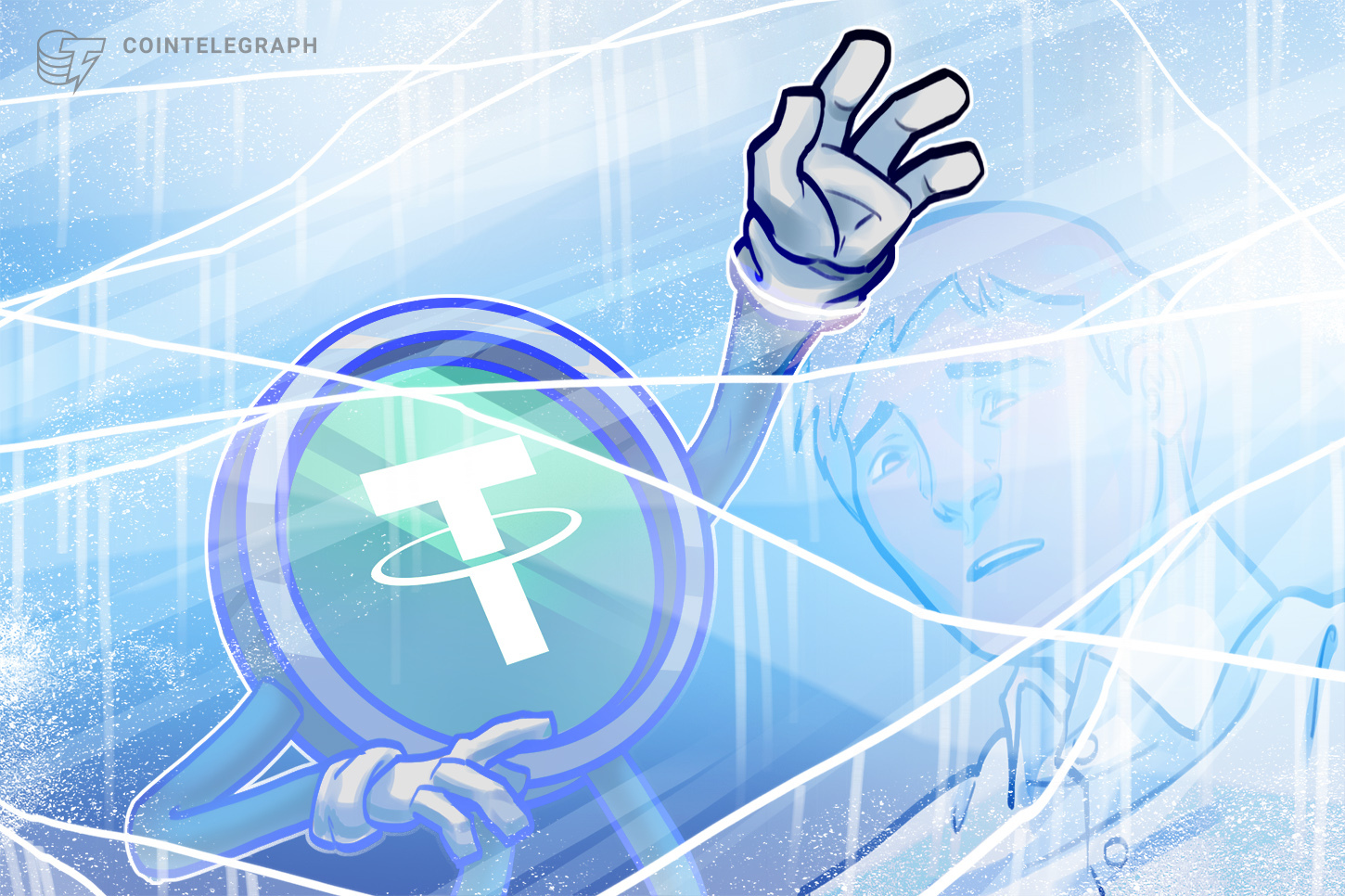
Are you worried that the stablecoins you hold could suddenly become inaccessible? This article explains why stablecoin issuers sometimes freeze funds, how the process works, and what you can do to protect your digital assets.
What a Stablecoin Freeze Is and How It Happens
A stablecoin is a type of cryptocurrency that aims to keep its price stable, usually by being pegged to a fiat currency such as the US dollar. The most common way to achieve this peg is for the issuer to hold reserves equal to the amount of tokens in circulation.
When you store stablecoins in a wallet, you are typically holding a token that the issuer has created on a public blockchain. The issuer retains the ability to control certain aspects of those tokens through the smart contracts that govern them. One of those controls is the ability to “freeze” or lock tokens, preventing them from being transferred.
Freezing can be triggered for several reasons:
- Regulatory compliance: If a transaction appears to be linked to illegal activity, the issuer may block the tokens to avoid facilitating money‑laundering or sanctions violations.
- Legal investigations: Courts or law‑enforcement agencies can request that an issuer freeze assets that are part of an ongoing investigation.
- Risk management: Issuers sometimes have internal policies that automatically flag and freeze large or suspicious transactions.
Technically, the freeze is executed by the issuer’s smart contract or by a centralized ledger that marks the specific wallet address as “blocked.” The tokens remain on the blockchain, but any attempt to move them will fail because the contract rejects the transaction.
Real‑World Example: Conduit vs. Tether
In September 2025, the cross‑border payments platform Conduit Technology reported that Tether, the issuer of the USDT stablecoin, froze $2.76 million worth of USDT in a wallet it used for its digital treasury. According to the lawsuit filed in the U.S. District Court for the Southern District of New York in October 2026, Tether took this action without providing an explanation, linking the freeze to a Brazilian federal police investigation that began in 2024.
Conduit claimed the freeze “materially impacted its business” because the company relied on USDT for day‑to‑day operations and could not access the funds. Tether, however, argued that it acted according to its own compliance criteria, which allow it to block addresses it believes are connected to illicit activity.
What This Means for You
If you keep stablecoins in a wallet that you control, you are still dependent on the issuer’s policies. A freeze can disrupt cash flow, prevent you from paying vendors, or halt a staking or lending strategy. For businesses that use stablecoins as a bridge between fiat and crypto, an unexpected freeze can be especially damaging.
For individual users, the risk is generally lower because the amounts are smaller, but a freeze can still be inconvenient if you need immediate access to your funds. Understanding the issuer’s terms of service and compliance framework helps you gauge how likely a freeze is.
How to Assess the Safety of a Stablecoin
When choosing a stablecoin, consider the following checks:
- Issuer transparency: Look for clear public statements about the circumstances under which the issuer may freeze tokens.
- Regulatory environment: Stablecoins issued by companies based in jurisdictions with strict AML (anti‑money‑laundering) and sanctions laws are more likely to freeze assets to stay compliant.
- Decentralization level: Fully decentralized stablecoins (e.g., those backed by algorithmic mechanisms) may have fewer centralized freeze powers, but they can still be subject to network‑wide governance decisions.
- Custody options: Using a non‑custodial wallet where you hold the private keys reduces reliance on the issuer’s internal controls, though the issuer can still blacklist the address at the protocol level.
- Legal recourse: Review the issuer’s dispute resolution process. Some issuers offer arbitration clauses that can be invoked if you believe a freeze was unjustified.
FAQ
Can I prevent a stablecoin freeze by using a different wallet?
Switching wallets does not guarantee protection. If the issuer has blacklisted your address at the protocol level, any wallet that points to that address will be blocked. Using a non‑custodial wallet gives you control over the private keys, but the issuer can still freeze the tokens on the blockchain.
What should I do if my stablecoins are frozen?
First, contact the issuer’s support team to request clarification. If the freeze is tied to a legal investigation, you may need to provide documentation proving the legitimacy of your funds. In some cases, seeking legal advice is advisable, especially for larger amounts.
Are decentralized stablecoins immune to freezes?
Decentralized stablecoins reduce the risk of unilateral freezes because there is no single entity with the power to block addresses. However, they can still be affected by governance votes or network upgrades that impose restrictions.
Does a freeze affect the underlying fiat reserves?
No. The issuer’s fiat reserves remain untouched; only the ability to move the corresponding tokens on the blockchain is restricted. The freeze is a compliance measure, not a loss of the underlying value.
This article references reporting from cointelegraph.com.





