
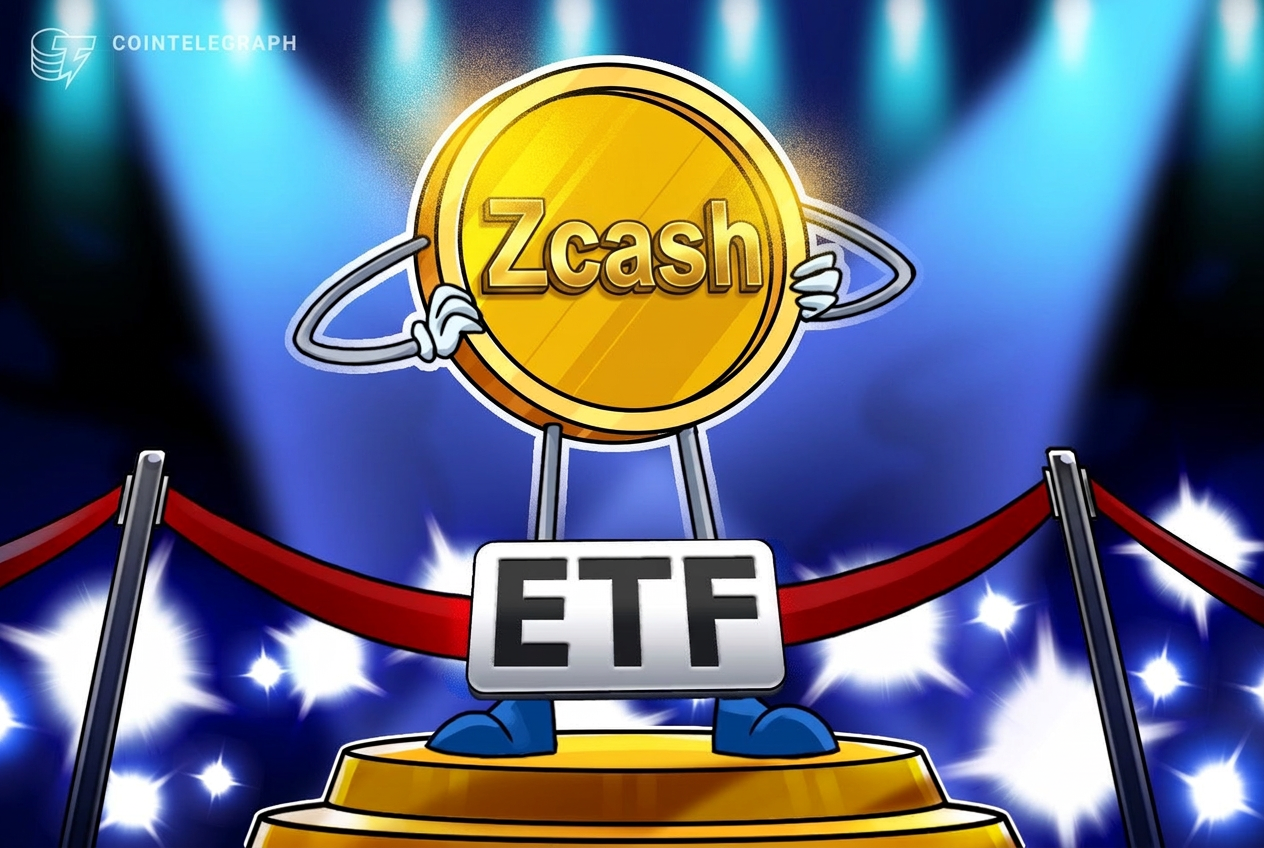
Are you curious about gaining exposure to cryptocurrencies without the hassle of managing wallets, private keys, or exchanges? This article explains what a crypto exchange‑traded fund (ETF) is, how it operates, and what you should consider before adding one to your portfolio.
What a Crypto ETF Actually Is
An exchange‑traded fund (ETF) is an investment vehicle that holds a basket of assets and trades on a traditional stock exchange just like a regular stock. When the ETF focuses on a single cryptocurrency, it typically holds that coin directly in a secure, custodial account. The fund’s shares represent a proportional claim on the underlying holdings, so the share price moves in line with the price of the cryptocurrency.
Key terms:
- Custodian – a regulated entity that stores the cryptocurrency safely, often using multi‑signature wallets and institutional‑grade security.
- Sponsor fee – an annual charge, expressed as a percentage of assets under management, that covers administration, custody, and other operational costs.
- Leverage – borrowed money used to amplify returns; most crypto ETFs avoid leverage to keep risk profiles similar to holding the asset outright.
- Derivatives – financial contracts like futures or options; a non‑derivative ETF tracks the spot price of the cryptocurrency without using these instruments.
Because the ETF is listed on a regulated exchange, investors can buy and sell shares through any brokerage that offers access to that market. This eliminates the need for a separate crypto exchange account, and the brokerage typically handles tax reporting for the investor.
How a Crypto ETF Generates Returns
The primary source of returns for a crypto ETF is the price movement of the underlying cryptocurrency. If the coin’s market price rises, the ETF’s net asset value (NAV) rises, and the share price on the exchange follows suit. Conversely, a price decline reduces the NAV and share price. Some ETFs may also earn modest income from staking or lending the underlying asset, but many, especially those holding privacy‑focused coins, do not generate additional yield.
Because the ETF holds the actual coin rather than a futures contract, the performance is closely tied to the spot market. This “physical replication” model also means the ETF must maintain sufficient reserves of the cryptocurrency to meet redemption requests from shareholders.
Real‑World Example: Winklevoss‑Backed Zcash ETF
In October 2026, a fund sponsored by Winklevoss Asset Services filed a registration statement with the U.S. Securities and Exchange Commission to list a Zcash ETF on the Nasdaq under the ticker WINK. The proposal outlines several important features:
- The fund would hold Zcash (ZEC) directly, with Gemini Trust Company acting as the custodian.
- It would charge an annual sponsor fee of 0.25% and would not employ leverage or derivatives.
- Winklevoss Capital affiliates indicated interest in purchasing up to $100 million of shares, though the commitment is not binding.
- The ETF aims to give investors exposure to Zcash—a privacy‑focused cryptocurrency that uses zero‑knowledge proofs to conceal transaction amounts and participant identities—through a conventional brokerage account.
This filing illustrates how a crypto ETF can combine institutional custody, transparent fee structures, and traditional market access to make a digital asset more approachable for mainstream investors.
What It Means for You
For someone looking to earn passive income or diversify a portfolio, a crypto ETF offers several practical advantages:
- Simplified access: You can buy shares with the same platform you use for stocks, avoiding the learning curve of crypto exchanges.
- Regulated environment: Custodians are subject to financial regulations, which can provide an added layer of security compared to self‑custody.
- Clear fee structure: Sponsor fees are disclosed up front, making it easier to calculate net returns.
- Liquidity: Shares can be sold during market hours at market price, often with tighter spreads than trading the cryptocurrency on a less liquid exchange.
However, you still face the same market risk as holding the cryptocurrency directly. If Zcash’s price falls, the ETF’s value will decline accordingly. Additionally, the sponsor fee, while modest, will erode returns over time, especially in a flat or bearish market.
What to Check Before Investing
- Custodian reputation: Verify that the custodian is a regulated entity with a track record of securing digital assets.
- Fee comparison: Compare the sponsor fee with alternative ways of gaining exposure, such as buying the coin on an exchange and storing it in a hardware wallet.
- Liquidity and spread: Look at the average daily trading volume of the ETF and the bid‑ask spread to ensure you can enter and exit positions without significant cost.
- Regulatory status: Confirm that the ETF is approved by the relevant securities regulator and listed on a reputable exchange.
- Underlying asset risk: Assess the volatility, market capitalization, and use case of the cryptocurrency itself. For privacy coins like Zcash, consider regulatory scrutiny that could affect price.
FAQ
Do I need a crypto wallet to own a crypto ETF?
No. The ETF’s custodian holds the cryptocurrency on your behalf, so you only need a brokerage account that can trade the ETF shares.
Can I earn staking rewards through a crypto ETF?
Most ETFs that hold privacy‑oriented coins such as Zcash do not generate staking income. Some funds that hold proof‑of‑stake assets may pass on a portion of staking rewards, but this varies by product.
How are taxes handled for crypto ETFs?
Because the ETF trades like a stock, any capital gains or losses are reported on your regular tax forms for securities. Your broker typically provides the necessary tax documents at year‑end.
Is an ETF safer than holding the cryptocurrency myself?
Safety depends on the custodian’s security practices and the regulatory framework. An ETF removes the need for you to manage private keys, reducing the risk of loss from mishandling, but it introduces counterparty risk if the custodian were to fail.
This article references reporting from cointelegraph.com.





