
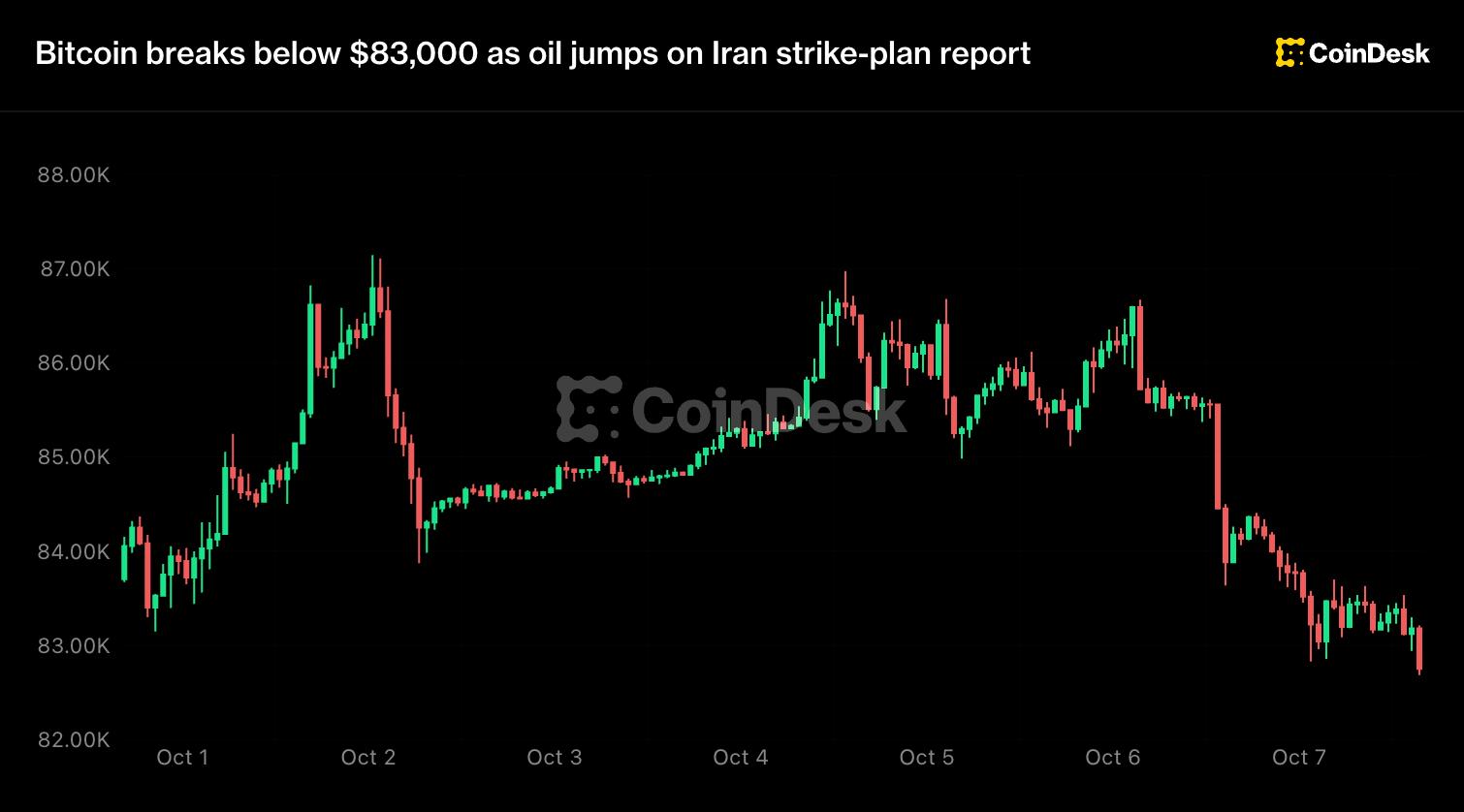
Do you wonder why a sudden change in oil prices can make Bitcoin swing wildly? This article explains the connection between commodity markets and crypto assets, how the mechanisms work, and what it means for anyone trying to earn online through digital currencies.
The plain explanation
Commodity prices—most notably oil, gold, and copper—are a barometer of global economic health. When oil prices rise, it often signals higher inflation expectations, increased production costs, or geopolitical tension. Conversely, falling oil prices can indicate weaker demand or a slowdown in economic activity. These macro‑economic signals affect investors’ risk appetite, which in turn influences the demand for assets that are considered “risk‑on” (like stocks) or “risk‑off” (like gold and some cryptocurrencies).
Cryptocurrencies, especially Bitcoin, are treated by many market participants as a store of value or a hedge against inflation. However, they are also highly speculative and traded on the same exchanges that host traditional assets. Because of this, large shifts in commodity markets can cause traders to re‑balance portfolios, moving money in or out of crypto. The key drivers are:
- Inflation expectations: Higher oil prices can push consumer prices up, leading investors to seek assets that preserve purchasing power. Some view Bitcoin as “digital gold” and increase buying pressure.
- Liquidity flows: When oil spikes, energy companies and related investors may need cash to cover higher operating costs. They might sell crypto holdings to free up liquidity, pushing prices down.
- Geopolitical risk: News of conflict or sanctions that affect oil supply often creates broader market uncertainty. In uncertain environments, risk‑averse investors may flee to assets they perceive as safe, while risk‑seeking traders may double down on high‑volatility crypto for quick gains.
- Correlation with fiat currencies: Oil is priced in U.S. dollars. A sharp move in oil can affect the dollar’s strength, which directly impacts crypto prices that are quoted in dollars.
These dynamics are not unique to Bitcoin; other coins can be affected as well, but Bitcoin’s market depth and media coverage make its price movements the most visible indicator of the broader crypto‑commodity link.
A real example
In March 2026, Bitcoin slipped below the $83,000 mark after oil prices jumped following a report that Iran was planning a strike on regional oil infrastructure. The report sparked concerns about supply disruptions, sending oil futures higher. As the oil market rallied, investors re‑evaluated their exposure to risk assets. Some large holders sold Bitcoin to raise cash for potential higher energy costs, while others shifted funds into traditional commodities, causing Bitcoin’s price to dip.
What it means for you
If you earn or invest in crypto, you should expect that your portfolio will not exist in a vacuum. Commodity price shocks can create short‑term volatility that either erodes or boosts your holdings, depending on the direction of the move and your position. Understanding this link helps you:
- Anticipate price swings around major oil, gold, or copper news.
- Time entry and exit points for buying or selling crypto, especially if you rely on it for passive income.
- Design a diversified strategy that includes assets less sensitive to commodity cycles, such as stablecoins or tokenized real‑world assets.
What to check / how to judge
- Watch commodity headlines: Follow reputable sources for oil, gold, and major commodity reports. A sudden price change is often a precursor to crypto volatility.
- Assess market sentiment: Look at the Crypto Fear & Greed Index, trading volume, and open interest on futures contracts. Rising fear often coincides with commodity‑driven risk‑off moves.
- Check liquidity on exchanges: Large sell walls or sudden order‑book imbalances can indicate that traders are moving money out of crypto to cover commodity‑related costs.
- Evaluate your risk tolerance: If you need stable passive income, consider allocating a portion of your earnings to low‑volatility assets like stablecoins or yield‑bearing DeFi protocols.
- Use stop‑loss orders: Automated exits can protect you from rapid price drops triggered by unexpected commodity news.
FAQ
Why does oil affect Bitcoin more than other cryptocurrencies? Bitcoin has the largest market cap and the most institutional exposure, so large traders often rebalance their Bitcoin positions first when macro conditions shift. Smaller coins may see a delayed or muted reaction.
Can I use commodity price movements to predict crypto trends? They can be a useful signal, but they are not a guarantee. Commodity markets are just one of many factors—including regulatory news, technological upgrades, and network activity—that influence crypto prices.
Should I avoid crypto during periods of high oil volatility? Not necessarily. Volatility can create buying opportunities if you have a clear strategy and risk controls. However, if you need predictable cash flow, consider reducing exposure during extreme commodity swings.
How do stablecoins fit into this picture? Stablecoins are pegged to fiat currencies and are less directly affected by commodity price changes. They can serve as a temporary parking spot for earnings when you expect heightened crypto volatility.
This article references reporting from coindesk.com.





