
Ever wonder how platforms let you bet on the outcome of real‑world events and why governments sometimes step in? This article explains the mechanics of prediction markets, the regulatory concerns that arise, and what you should consider before using them to earn crypto rewards.
The plain explanation
A prediction market (also called a information market) is an online platform where participants buy and sell contracts that pay out based on the result of a future event. Each contract represents a yes/no proposition, such as “Team A will win the Super Bowl.” The price of the contract, expressed in a currency or token, reflects the market’s collective belief about the probability of that outcome.
When you purchase a contract for $0.60, you are effectively betting that the event has a 60 % chance of occurring. If the event happens, the contract typically settles at $1.00, giving you a $0.40 profit. If it does not happen, the contract expires worthless and you lose your $0.60 stake. The market price constantly adjusts as new information arrives and traders place orders.
Prediction markets can be built on traditional fiat currencies, on cryptocurrencies, or on a hybrid of both. When crypto is used, the contracts are often encoded as smart contracts on a blockchain, which automates settlement and can provide transparency about the order book and transaction history.
Key terms:
- Contract price: The current cost to buy a contract, indicating the market‑implied probability.
- Settlement: The moment when the contract pays out based on the verified outcome.
- Liquidity: The amount of capital available for buying and selling contracts; higher liquidity generally means tighter spreads and less slippage.
- Smart contract: Self‑executing code on a blockchain that enforces the rules of the market without a central intermediary.
A real example
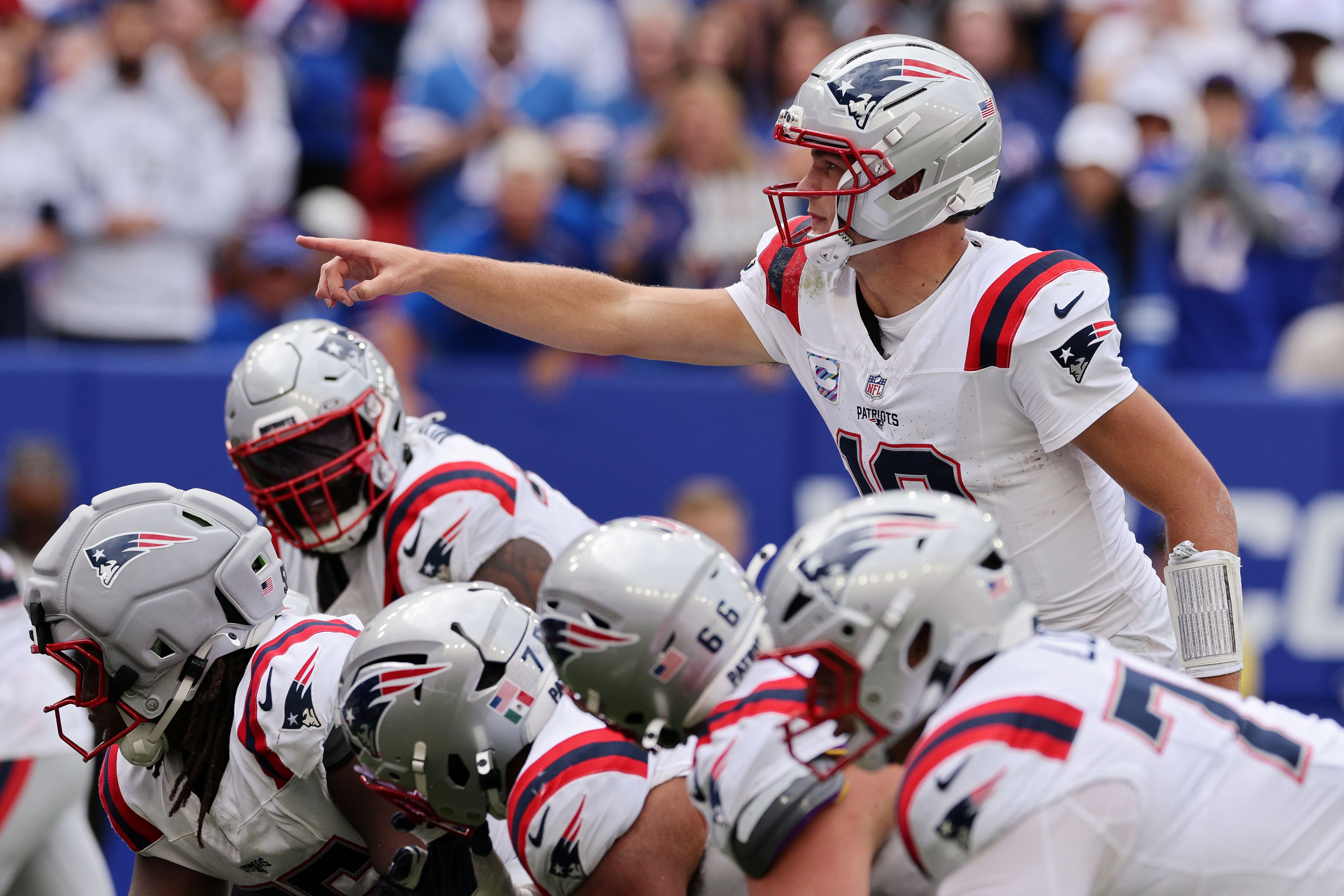
In March 2026, the National Football League (NFL) joined a broader pushback against prediction markets by urging the U.S. Supreme Court to intervene in a case that could affect how such platforms operate. The league’s concern centered on the potential for gambling‑related harms and the use of sports outcomes for speculative profit. While the NFL’s statement did not target any specific platform, it highlighted the regulatory scrutiny that prediction markets, especially those involving sports, can attract.
What it means for you
If you are looking to earn passive income by trading prediction market contracts, the NFL’s involvement signals that regulators may tighten rules around sports‑related betting. This could lead to:
- Restrictions on the types of events that can be offered, especially major sports leagues.
- Increased compliance requirements for platforms, such as identity verification (KYC) and anti‑money‑laundering (AML) checks.
- Potential shutdown or migration of markets that do not meet new legal standards.
These changes can affect the availability of contracts, the ease of depositing or withdrawing crypto, and the overall profitability of your strategy.
What to check / how to judge
Before committing capital to a prediction market, consider the following checklist:
- Regulatory status: Verify whether the platform is licensed in a jurisdiction that permits prediction markets, and whether it complies with local gambling laws.
- Liquidity depth: Look at the total volume and order‑book depth for the contracts you intend to trade. Low liquidity can cause large price moves when you place an order.
- Settlement transparency: Ensure the platform uses a reputable oracle—an external data source that confirms the outcome—so that settlements are trustworthy.
- Security of funds: Check if the platform stores user funds in custodial wallets or uses non‑custodial smart contracts. Non‑custodial solutions reduce the risk of hacks.
- Fees and payouts: Compare trading fees, withdrawal fees, and the payout structure. Some platforms charge a spread on every trade, which can erode profits.
FAQ
Are prediction markets legal in the United States?
Legality varies by state and by the type of event. Some states allow regulated sports betting, while others treat prediction markets as illegal gambling. Always check the specific regulations in your jurisdiction before participating.
Can I use crypto to trade on prediction markets?
Yes, many platforms accept cryptocurrencies as collateral and settle contracts in tokens. However, using crypto may introduce additional risks such as price volatility and the need for secure wallet management.
What is an oracle, and why does it matter?
An oracle is a service that provides real‑world data to a blockchain. In prediction markets, the oracle confirms the event outcome so that smart contracts can settle automatically. A trustworthy oracle is essential to prevent disputes or manipulation.
How risky is earning through prediction markets?
Risks include market volatility, low liquidity, regulatory changes, and the possibility of losing your entire stake on a single contract. Treat any capital you allocate as high‑risk and never invest more than you can afford to lose.
This article references reporting from coindesk.com.





